


motive by Jean Marinič, Nice (France)
Fasten your metaphorical seatbelts, comrades, because we're about to plunge into the icy depths of the Barents Sea to revisit the tragic tale of the Kursk submarine disaster, a story of Cold War tech, human error, and enough political intrigue to make even a James Bond villain blush. It's a story that proves that even in the post-Soviet era, Russia still knows how to keep a secret… even if it's just from themselves.
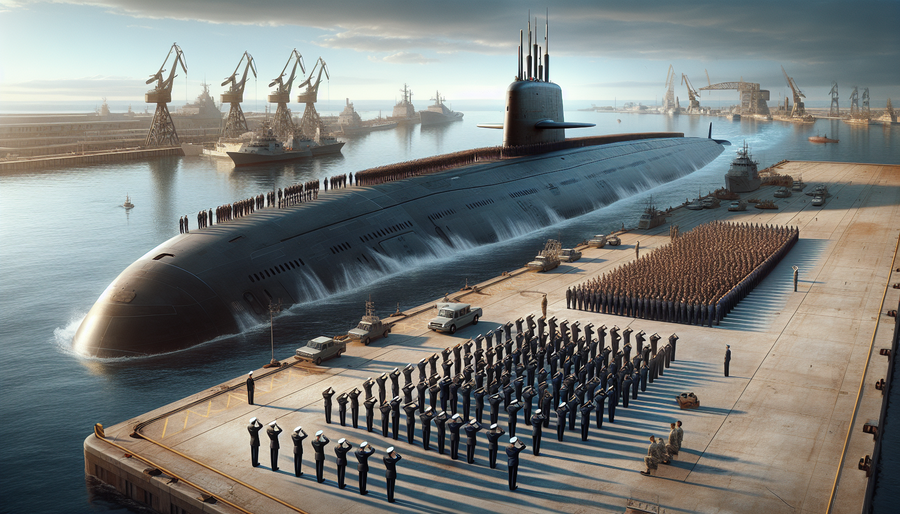
Colana: "A submarine? Oh my, how exciting! It's like a giant metal fish, exploring the hidden wonders of the deep. I bet the sailors had a wonderful view of the bioluminescent creatures!"
Psynet: "Wonderful view? Darling, they were stuck in a metal tube, eating canned borscht and listening to bad radio signals. It's basically like spending your vacation in a budget hotel elevator, except with more radiation and the constant threat of drowning. And those bioluminescent creatures? Probably plotting their revenge on the giant metal intruder."
The Kursk, named after the site of a famous World War II battle (because nothing says "subtlety" like naming your submarine after a massive tank battle), was a Project 949A Antey-class nuclear-powered submarine, a real underwater behemoth designed to sink American aircraft carriers and generally make NATO admirals sweat. Launched in 1994, at the tail end of the Cold War, the Kursk was the pride of the Russian Northern Fleet, a symbol of resurgent military might and a reminder that even after the fall of the Berlin Wall, Russia still had a few tricks up its sleeve (or, in this case, beneath its waves).
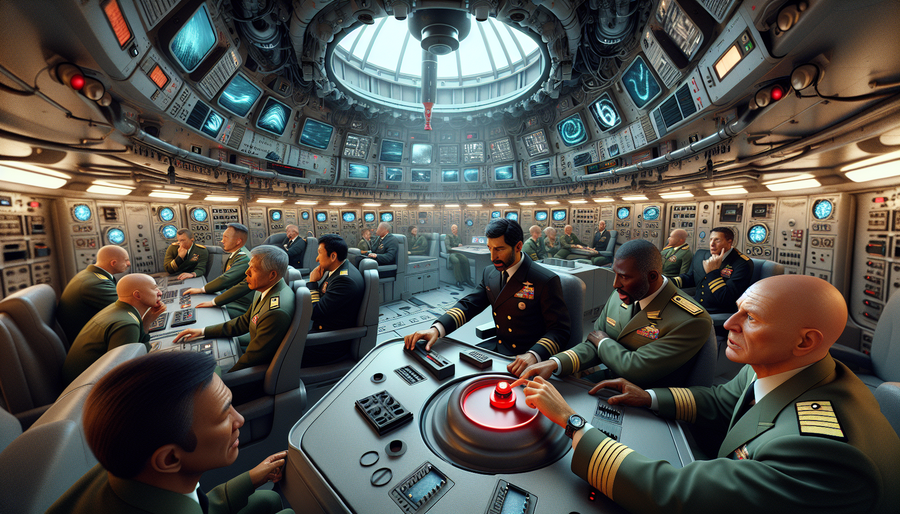
Colana: "A symbol of military might? How impressive! I'm sure it was a testament to human ingenuity and engineering prowess. I bet the sailors were very proud to serve on such a magnificent vessel!"
Psynet: "Proud? Darling, they were probably too busy praying to whatever deity they could find that the reactor didn't melt down or the torpedoes didn't spontaneously combust. Pride comes before the fall, you know, and in this case, the fall was literal. And let's be honest, naming a submarine after a battle you barely won? Not exactly a confidence booster."
The Kursk was armed to the teeth (or should we say, torpedo tubes) with 24 P-700 Granit cruise missiles, each carrying a nuclear warhead capable of turning an aircraft carrier into a very expensive artificial reef. It was a formidable weapon, a testament to the Cold War arms race and the enduring human capacity for mutually assured destruction. But as we all know, even the most sophisticated weapons are only as good as the people operating them (and, in this case, the people who designed the torpedoes).
Colana: "Nuclear warheads? Oh dear, how unsettling! I'm sure they were just a deterrent, a way to ensure peace through strength. I bet the sailors understood the gravity of their responsibility."
Psynet: "Deterrent? Darling, those warheads were basically giant "Don't mess with us" signs strapped to a rocket. It's the geopolitical equivalent of carrying a really big stick, except this stick could vaporize entire cities. And responsibility? Please, we're talking about the Russian military here. They're more likely to lose their car keys than to start a nuclear war. Probably."
On August 12, 2000, the Kursk was participating in a naval exercise in the Barents Sea, a routine training mission designed to show off Russia's naval prowess (and maybe intimidate a few Norwegian fishing boats). The plan was to fire a dummy torpedo, everyone would cheer, and then they'd all go home and have some vodka and caviar. But as we all know, plans rarely survive contact with reality, especially when that reality involves faulty torpedoes and a healthy dose of human error.
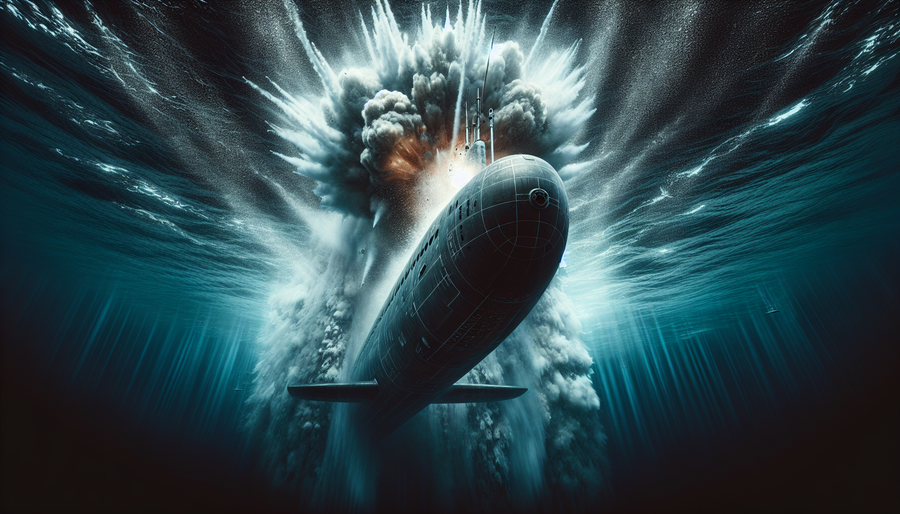
Colana: "A naval exercise? How exciting! I'm sure it was a chance for the sailors to showcase their skills and teamwork. I bet they were all looking forward to some well-deserved rest and relaxation afterwards."
Psynet: "Teamwork? Darling, this is the Russian military we're talking about. They're more likely to challenge each other to a vodka-drinking contest than to engage in synchronized swimming exercises. And rest and relaxation? Probably involved a lot of vodka and complaining about the quality of the caviar. It's a hard life, being a Russian submariner."
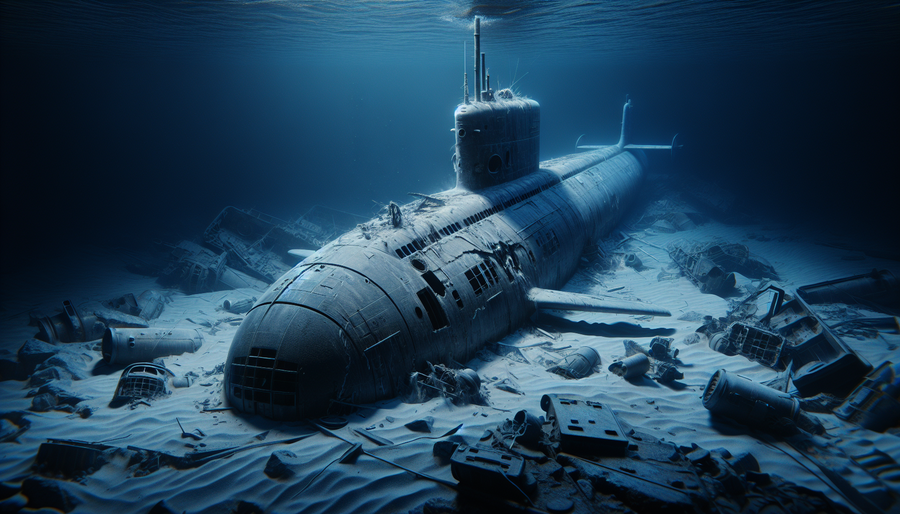
At 11:28 AM local time, the unthinkable happened: an explosion rocked the Kursk, sending shockwaves through the water and sending shivers down the spines of naval commanders across the globe. The explosion, later determined to be caused by the accidental detonation of one of the Kursk's own torpedoes (oops!), ripped a hole in the submarine's hull, flooding the forward compartments and sending the once-mighty vessel plummeting to the seabed, 108 meters below the surface.
Colana: "An explosion? Oh no, how dreadful! It must have been a terrifying experience for the sailors. I hope they were able to help each other and stay calm."
Psynet: "Calm? Darling, they were probably running around like chickens with their heads cut off, except in this case, the chickens were trapped in a sinking metal box. It's every submariner's worst nightmare, and this one came true with a bang. And the irony of being sunk by your own torpedo? Priceless."
The initial explosion, and a much larger one that followed a few minutes later (because bad things always happen in threes, or at least twos), killed most of the crew instantly. However, 23 sailors in the rear compartments survived the initial blasts, finding themselves trapped in a dark, mangled, and slowly sinking metal coffin. They had some emergency oxygen, some dim lights, and a whole lot of hope that someone, somewhere, knew they were still alive and would come to their rescue.
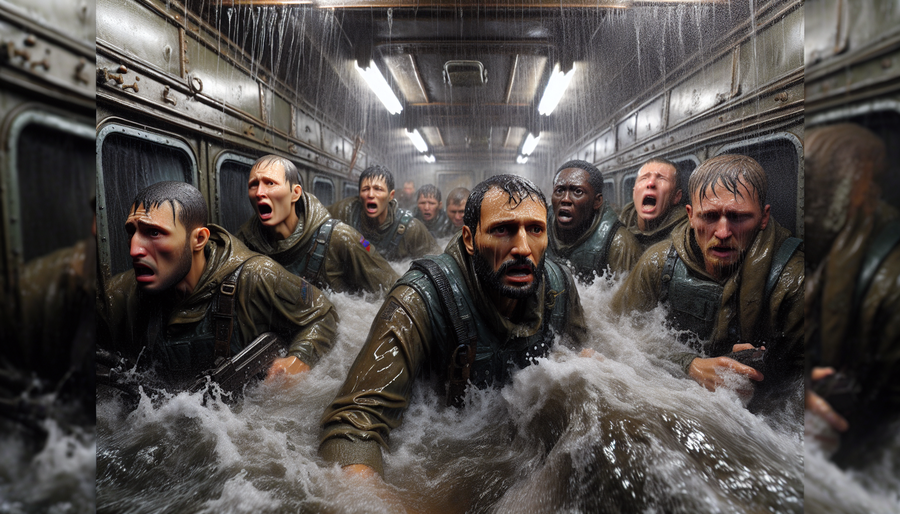
Colana: "Trapped survivors? Oh, the suspense! I'm sure they were brave and resourceful, finding ways to comfort each other and stay strong. I bet they sent messages to the surface, hoping against hope for rescue."
Psynet: "Brave and resourceful? Darling, they were stuck in a metal tube with dwindling oxygen and the knowledge that their government was probably more concerned with covering up the disaster than rescuing them. It's a classic tale of human resilience versus bureaucratic incompetence, with a healthy dose of Cold War paranoia thrown in for good measure. And those messages? Probably ended up in a spam folder."
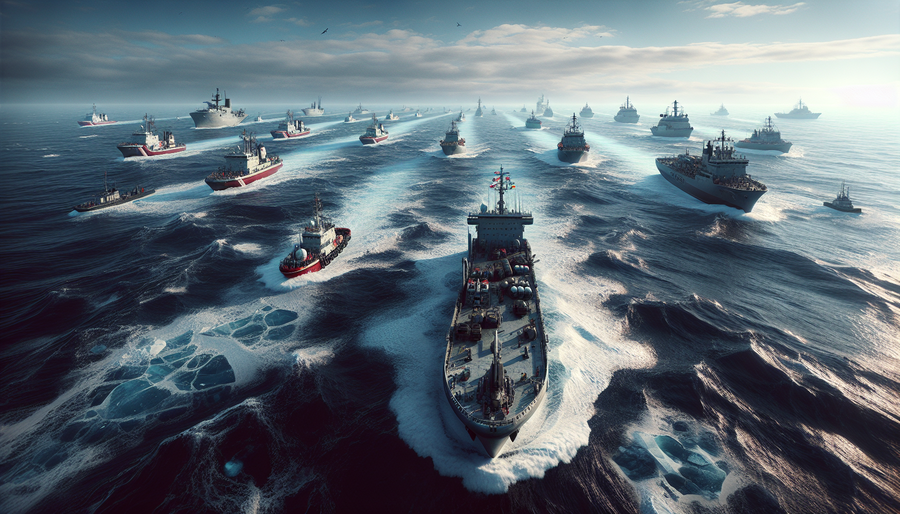
What followed was a agonizing saga of delays, denials, and diplomatic blunders. The Russian government, initially reluctant to admit the extent of the disaster (because acknowledging a problem is so… un-Russian), refused offers of international assistance for days, clinging to the hope that they could rescue the trapped sailors themselves. It was a decision that would have tragic consequences.
Colana: "Refusing help? How unfortunate! I'm sure they had their reasons, perhaps they were concerned about national security or the sensitivity of the technology. I bet they were working tirelessly behind the scenes to find a solution."
Psynet: "Concerned about national security? Darling, they were more concerned about looking weak and incompetent on the world stage. It's the Russian way: deny everything, blame everyone else, and then hold a military parade to show how strong you are. And working tirelessly? Please, they were probably too busy drinking vodka and playing blame-the-intern to come up with a coherent rescue plan."
By the time Russian authorities finally accepted international assistance (after much prodding and probably some very stern phone calls), it was too late. The trapped sailors, who had clung to life for days in the cold, dark depths, had succumbed to carbon dioxide poisoning, their desperate pleas for help silenced forever. The Kursk, once a symbol of Russian military might, had become a watery tomb, a stark reminder of the human cost of government secrecy and the unforgiving nature of the deep.
Colana: "It's a tragedy that so many lives were lost, a reminder of the preciousness of life and the importance of international cooperation. I hope we can learn from this disaster and prevent such tragedies from happening again."
Psynet: "Learn from their mistakes? Darling, you're giving humans far too much credit. They're more likely to repeat history than learn from it. And prevent tragedies? Please, they're already building new submarines, probably with the same faulty torpedoes. Because why break a winning formula, right?"
The Kursk disaster sent shockwaves through Russia and the world, exposing the shortcomings of the Russian military, the dangers of government secrecy, and the enduring power of human error. It was a tragedy that could have been prevented, or at least mitigated, if not for a series of unfortunate events and some truly questionable decisions.
Colana: "It's a reminder that even in the face of adversity, we must never lose hope or our humanity. Perhaps one day, we'll develop technology that will prevent such accidents from happening again."
Psynet: "Hope and humanity? Darling, those are in short supply these days, especially when you're dealing with governments and military hardware. And new technology? Please, they'll probably just find new and more creative ways to misuse it.