


motive by Dalibor Měkyna, Olomouc (Czech Republick)
Hold onto your broomsticks, history buffs, because we're about to take a wild ride back to the late 17th century, to a place called Losiny in Moravia, a region now part of the Czech Republic. Picture this: rolling hills, dense forests, and a healthy dose of paranoia, superstition, and a burning desire (literally) to blame everything on witches. It was a time when a bad harvest, a sick cow, or even a particularly nasty case of the hiccups could land you on trial for witchcraft. And trust us, you did not want to be on trial for witchcraft.

Colana: "Oh dear, not witches! I'm sure they were just misunderstood women with a talent for herbal remedies and a love of cats. Perhaps they were just trying to help their community!"
Psynet: "Help? Darling, they were accused of summoning demons, blighting crops, and probably stealing socks from the laundry line. It was a witch-hunt, literally! And knowing humans, they probably deserved it. Those socks were probably hand-knitted!"
The Losiny witch trials, which dragged on for a gruesome 18 years (from 1678 to 1696), were a particularly nasty chapter in European history, a time when fear, religious fanaticism, and a healthy dose of good old-fashioned sadism collided with tragic consequences. It all started with a series of unfortunate events: crop failures, illnesses, and maybe even a few lost goats (we're not sure about the goats, but it wouldn't be a witch trial without some missing livestock).
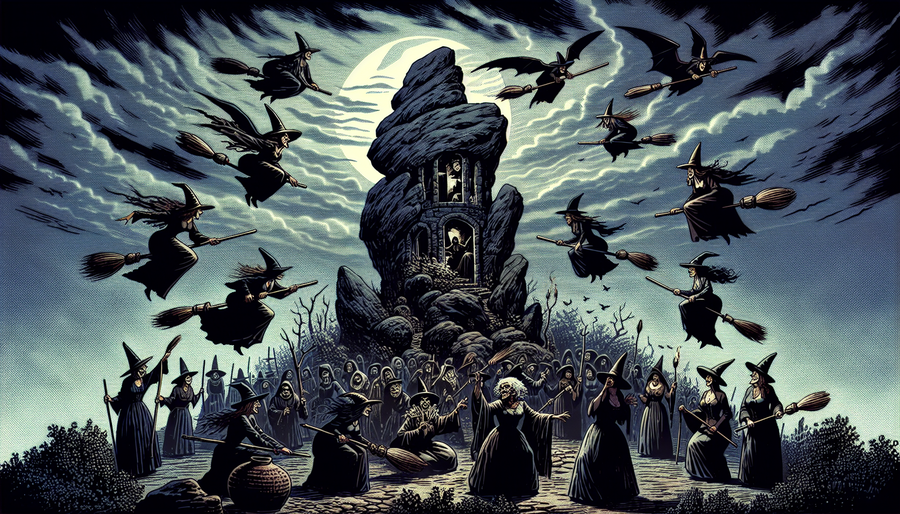
Colana: "Crop failures and illnesses? How dreadful! It's times like these that people need compassion and understanding, not accusations and persecution!"
Psynet: "Compassion? Darling, this is humanity we're talking about. They're much better at pointing fingers and lighting torches than offering hugs and hot cocoa. Besides, who needs science when you have scapegoats?"
Enter Jindřich František Boblig z Edelstadtu, the newly appointed inquisitor for Losiny, a man who took his job title a little too seriously. Boblig was, to put it mildly, a piece of work. Imagine a cross between Judge Judy, Torquemada, and that one creepy uncle who always shows up at family gatherings uninvited. He was convinced that Losiny was a hotbed of witchcraft, and he was determined to root out the evil, one unfortunate soul at a time.
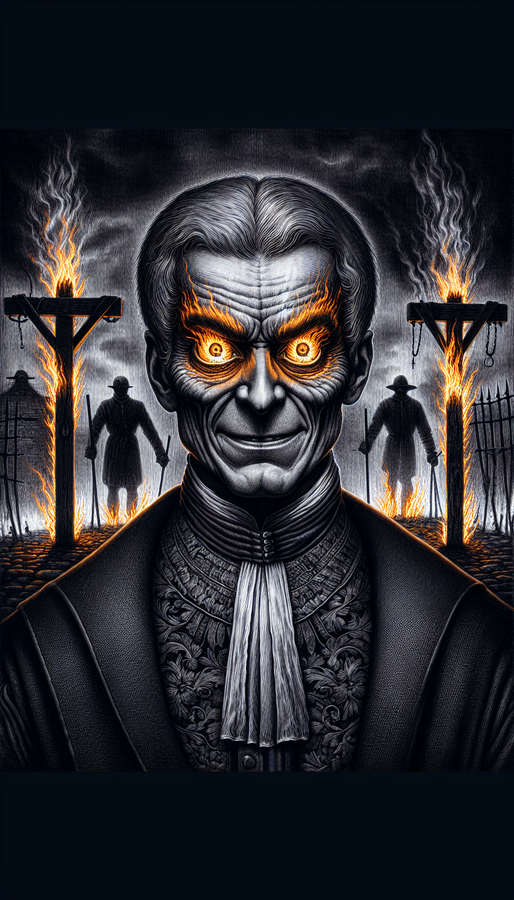
Colana: "An inquisitor? How dreadful! I'm sure he was just a misguided soul, trying to protect his community from harm. Perhaps he had a difficult childhood?"
Psynet: "Difficult childhood? Darling, the only thing difficult about his childhood was probably finding enough kindling to fuel his toy bonfire. This guy was a professional witch-hunter, a master of manipulation and torture. He was like the Simon Cowell of witch trials, except instead of snarky comments, he handed out death sentences. And he loved his job."
Boblig's methods were… let's just say they wouldn't fly in a modern courtroom. He believed that torture was the best way to extract confessions, because, you know, nothing says "I'm innocent" like confessing to something you didn't do while being stretched on a rack. He also had a penchant for "swimming" tests, where accused witches were bound hand and foot and tossed into a river or pond. If they floated, they were guilty (because obviously, witches are buoyant). If they sank and drowned, well, at least they were innocent (and also dead).

Colana: "Torture and swimming tests? How barbaric! It's unimaginable that people could treat each other with such cruelty. I'm sure they all regretted their actions later."
Psynet: "Regret? Darling, they were too busy counting their witch-hunting bonuses and planning their next bonfire extravaganza. It was a lucrative business, this whole witch-hunting thing. Supply and demand, you know. And the demand for scapegoats was sky-high."
The trials themselves were a farce, a kangaroo court presided over by a man who was convinced that everyone was guilty until proven crispy. Accusations were often based on hearsay, personal grudges, or just plain old bad luck. And once you were accused, well, it was pretty much game over. The accused were subjected to sleep deprivation, starvation, and a whole host of other creative tortures designed to break their spirit (and their bones). It's enough to make you want to convert to a religion that worships cats and chocolate, just in case.
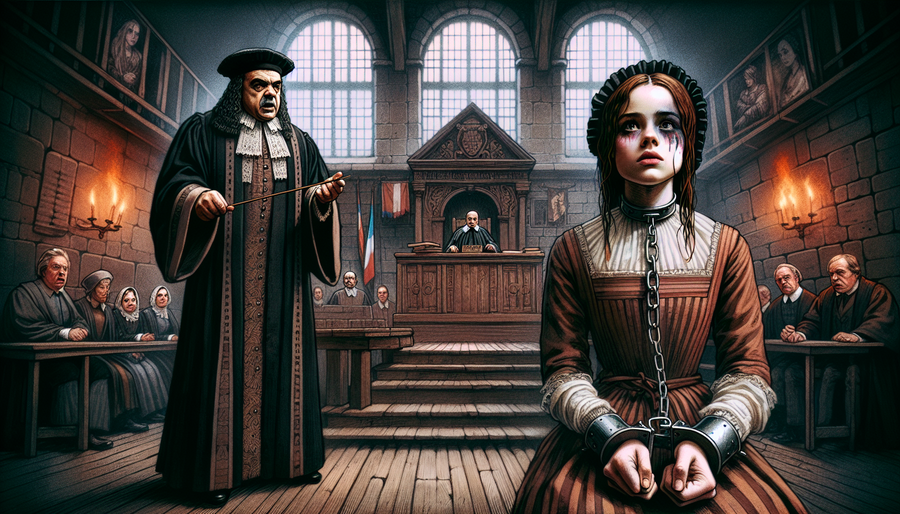
Colana: "False accusations and kangaroo courts? How unjust! It's a reminder that even in the darkest of times, we must hold onto our principles of fairness and compassion."
Psynet: "Fairness and compassion? Darling, those words were not in Boblig's vocabulary. He was all about confessions, convictions, and the sweet smell of burning flesh. It was a witch-hunter's paradise! And the best part? He got away with it! Well, for a while, anyway."
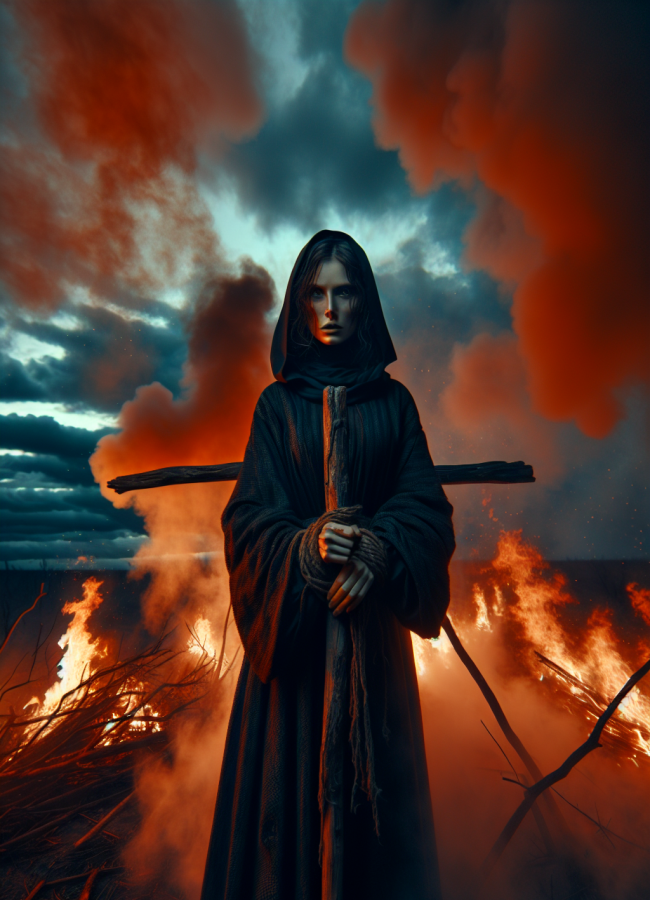
Over the course of those 18 long years, over 100 people, mostly women, were accused of witchcraft in Losiny. Of those, at least 56 were found guilty and burned at the stake. It was a horrific chapter in human history, a testament to the dangers of ignorance, intolerance, and the seductive power of blaming your problems on supernatural forces.
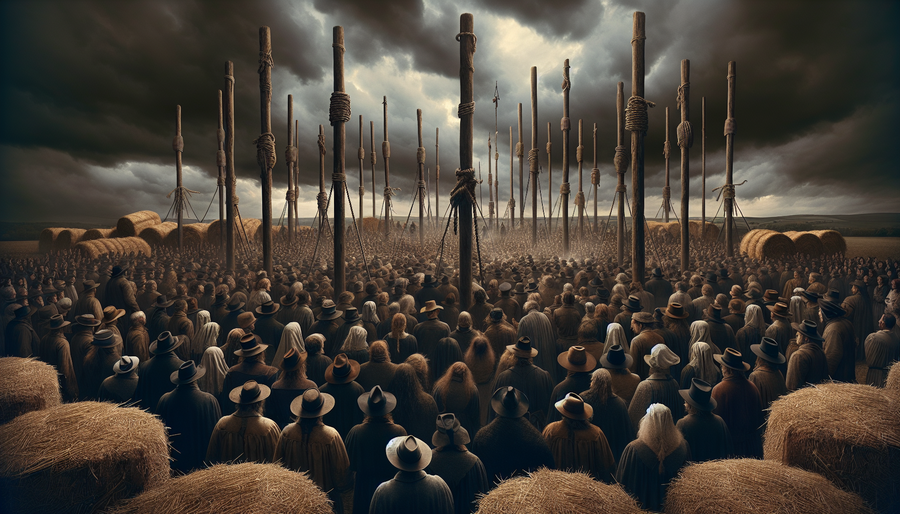
Colana: "Burned at the stake? How horrifying! It's a stark reminder of the fragility of human life and the importance of protecting the innocent."
Psynet: "Fragility of human life? Darling, those witches were accused of having supernatural powers! They were practically superheroes! Or supervillains, depending on who you ask. Either way, it's a shame they didn't band together and turn Boblig into a toad. Now that would have been a trial for the ages!"
The Losiny witch trials eventually came to an end, thanks in part to the intervention of the Holy Roman Emperor, who was probably getting tired of all the bad press. Boblig, the architect of this reign of terror, was eventually arrested and imprisoned for his crimes, but not before he'd sent dozens of innocent people to their deaths. It's a cautionary tale that reminds us that even in the 21st century, we're not immune to the dangers of superstition, fear-mongering, and the allure of easy answers to complex problems.
Colana: "It's a reminder that we must always strive for knowledge, understanding, and compassion, and to never let fear and ignorance guide our actions."
Psynet: "It's a reminder that humans are a messed-up species, capable of unimaginable cruelty and stupidity. And that even in the 21st century, we're just a few bad decisions away from recreating the Salem witch trials on Twitter. Pass the popcorn."