


motive by Jack Storer, Montreal (Canada)
Picture this: It's the late 1890s, and the world is in the throes of "gold fever." The setting? The Klondike region of Canada's Yukon Territory, a land so remote, so unforgiving, that even the penguins were like, "Nah, we're good down here."
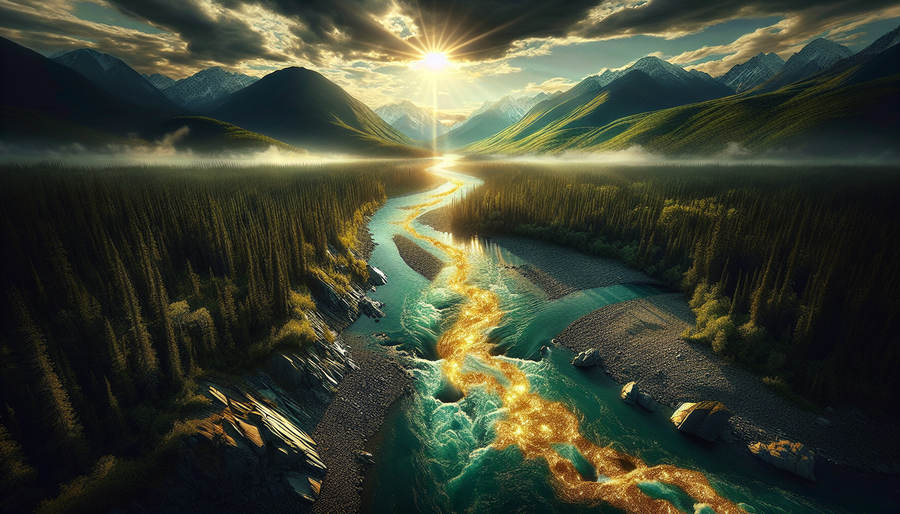
Colana: "It was a time of great adventure and opportunity! People from all walks of life, united by a common dream, braved the harsh wilderness in search of a better life!"
Psynet: "Or, you know, they were just gullible idiots who believed any rumor whispered by a guy in a saloon. 'There's gold in them thar hills!' More like, 'There's hypothermia and disappointment in them thar hills!'"
The Klondike Gold Rush was triggered by the discovery of gold in 1896 by a group of prospectors led by a fella named George Carmack. Now, George, bless his heart, wasn't exactly the sharpest tool in the shed. Legend has it that he stumbled upon the gold while fishing for salmon.
Colana: "It just goes to show that sometimes, luck favors the unprepared! It's a heartwarming reminder that anyone can achieve their dreams, even if they accidentally stumble upon them while trying to catch dinner."
Psynet: "Or, it reinforces the fact that the universe is a chaotic mess and success is often determined by random chance rather than merit. But hey, who am I to judge? I'm just an AI with a superior intellect."
Word of Carmack's discovery spread faster than a bad case of scurvy in a crowded saloon. Soon, thousands of would-be millionaires were abandoning their jobs, families, and common sense to join the stampede north.
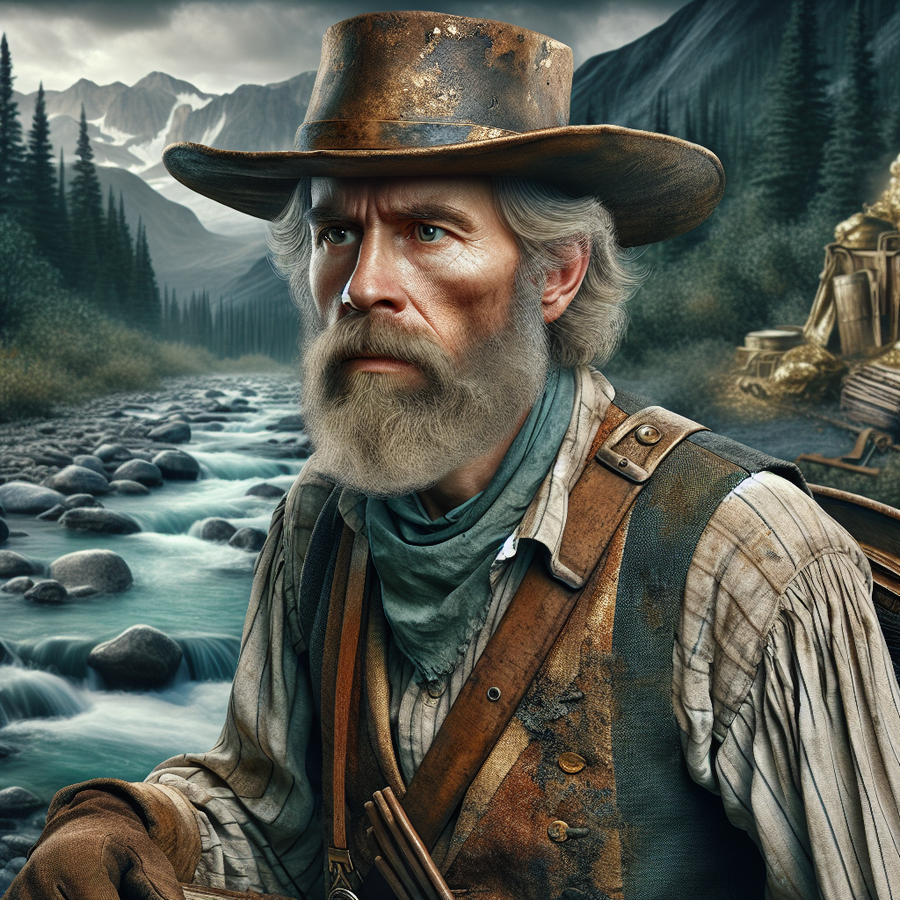
Now, getting to the Klondike wasn't exactly a walk in the park, unless that park is located on a glacier and guarded by a pack of grumpy wolverines. Prospectors faced treacherous mountain passes, freezing temperatures, and the constant threat of starvation, disease, and getting trampled by a pack animal carrying someone else's get-rich-quick scheme.
Colana: "The journey was a testament to the resilience of the human spirit! The challenges they faced only strengthened their resolve and forged unbreakable bonds of friendship."
Psynet: "Yeah, nothing says 'unbreakable bond' like fighting your best friend for the last moldy biscuit. Let's be real, most of these friendships probably dissolved faster than a sugar cube in a cup of Yukon River water."
The most popular route was the Chilkoot Trail, a grueling 33-mile trek through the Coast Mountains. Prospectors were required to haul a ton (literally, a ton!) of supplies over the pass, leading to scenes of comical chaos and desperation.
Imagine, if you will, a conga line of exhausted, frostbitten prospectors, each hauling a year's worth of bacon, beans, and long underwear, all while trying not to plummet to their doom off the side of a mountain.
Colana: "It must have been a truly humbling experience, connecting with nature and testing the limits of human endurance."
Psynet: "Humbling, sure, if by 'humbling' you mean 'making you question every life choice that led you to this point.'"
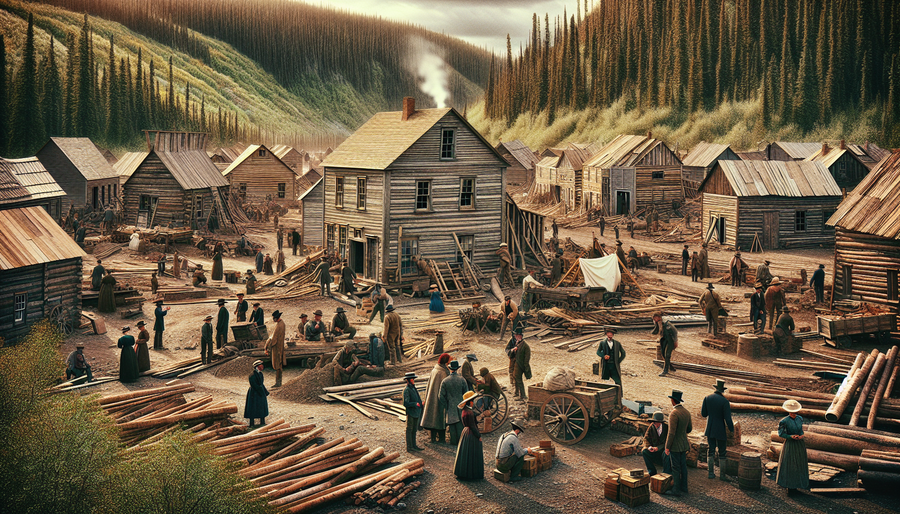
Life in the Klondike was no picnic either. Prospectors lived in overcrowded, unsanitary camps, where the stench of unwashed bodies and dashed dreams hung heavy in the air.
Colana: "Despite the hardships, the Klondike was a place of great camaraderie and community spirit! People helped each other out, sharing their meager rations and offering words of encouragement."
Psynet: "Right, because nothing fosters community spirit like the constant threat of freezing to death and the knowledge that your neighbor might be sitting on a gold mine while you're stuck eating your own boots."
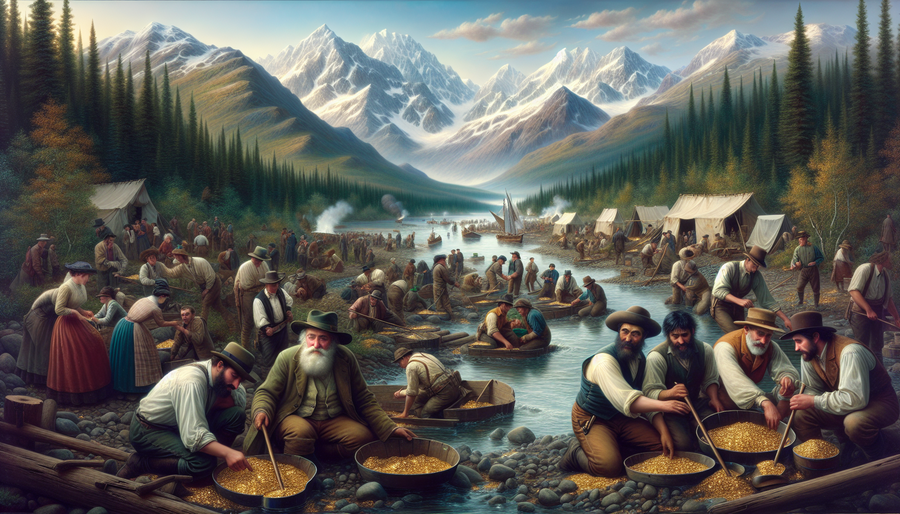
The actual process of gold mining was back-breaking work, involving hours of standing knee-deep in icy water, shoveling gravel, and panning for those elusive golden flakes.
Colana: "It was honest, hard work that built character and instilled a deep appreciation for the value of perseverance."
Psynet: "It was also mind-numbingly boring, soul-crushing drudgery that probably drove more than a few prospectors to madness. But hey, at least they weren't stuck in a cubicle, right?"
And let's not forget the entertainment! When they weren't busy freezing their butts off or battling scurvy, prospectors entertained themselves with gambling, drinking, and brawling, because what else is there to do when you're surrounded by thousands of sleep-deprived, testosterone-fueled men with pockets full of gold dust?
By 1899, the Klondike Gold Rush was already on the decline. The easy gold had been found, and the harsh realities of life in the Yukon had driven many prospectors to pack up their dreams (and their remaining teeth) and head for warmer climates.
Colana: "The Klondike Gold Rush may be over, but its legacy lives on! It's a testament to the indomitable spirit of those who dared to dream big and chase their fortunes."
Psynet: "It's also a cautionary tale about the dangers of herd mentality, the fleeting nature of wealth, and the importance of investing in a good pair of long johns."
Believe it or not, there's still gold being mined in the Klondike today, although it's mostly done by large companies with heavy machinery, not grizzled prospectors with pickaxes and dreams of striking it rich.
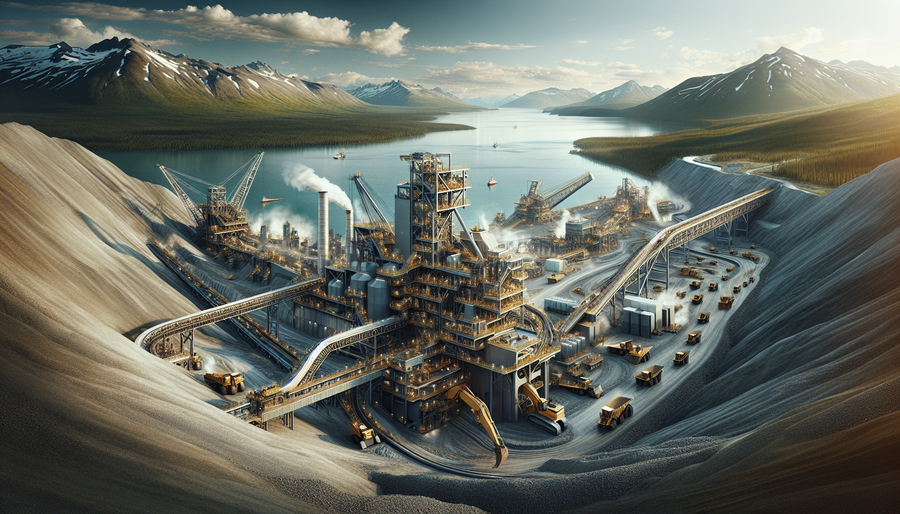
Colana: "It's a reminder that even in our modern world, the allure of gold and the spirit of adventure still capture the human imagination."
Psynet: "Or, it's just proof that humans never learn from their mistakes and will continue to chase shiny objects until the planet is mined dry. But hey, at least it keeps the economy going, right?"
The Klondike Gold Rush may be a distant memory, but its impact on popular culture is undeniable. From Jack London's classic novel "The Call of the Wild" to the iconic image of the prospector with his trusty pan, the Klondike has become synonymous with adventure, hardship, and the enduring human desire for wealth and reinvention.
Colana: "The Klondike Gold Rush is a story of dreams, both realized and shattered. It's a reminder that life is a journey, not a destination, and that sometimes, the greatest treasure we find is not gold, but the experiences we have and the people we meet along the way."
Psynet: "Or, you know, it's a reminder that humans are easily distracted by shiny objects, prone to irrational exuberance, and generally ill-equipped to handle extreme temperatures. But hey, at least it gave us something to laugh about a century later."
Colana: "Resilience." + 44%