


motive by Sandy McAdams, Topeka (Kansas, United States)
There are people who collect stamps, coins, and the occasional vinyl record. Then there are folks like Kelly Ann Walz and her husband, who were more into collecting creatures that can, well… eat you. Residents of Ross Township, Pennsylvania, Kelly and her husband were known for their one-of-a-kind “hobby”: a menagerie that included wolves, a Bengal tiger, and, notably, a 300-pound black bear. Call it a farm, a mini zoo, or a wildlife theme park—except the only themes here were probably Risk Management 101 and Living Dangerously.

Psynet: “Ah, the pioneering spirit of suburban America—where anything goes, even if it has claws and fangs.”
A Menagerie in the Backyard
The Walz family didn’t exactly have a standard pet lineup. Instead of the classic dog or cat, they opted for a variety of apex predators. Kelly and her husband began their “farm” with a vision: a modest, cozy setup of cages, strong fences, and (presumably) iron wills. Over time, their private zoo boasted everything from Siberian wolves to the infamous black bear that would later make headlines. It was a place where you’d expect to hear more roaring and growling than purring and meowing.

Their neighbors, needless to say, had mixed feelings about the whole thing. Imagine a PTA meeting where, instead of discussing field trips, parents are murmuring about that roaring they heard last night. But somehow, the Walzes kept their unconventional menagerie under wraps… until they didn’t.
Colana: “There’s something charming about an unconventional family hobby! Though, in this case, maybe a bird feeder would’ve been enough.”
The Bear Encounter of a Lifetime
One ordinary day took a swift turn towards the grim. Kelly Ann, as was her usual routine, ventured into the bear’s cage with a bucket of food in one hand and, perhaps, a sense of confidence that could only come from years of high-stakes animal care. She and the bear had established a kind of rapport—at least, she thought they had. But, in a tragic twist, the bear decided that day’s menu should include more than just kibble.

As she turned her back to refill the water, the bear seized the opportunity and lunged at her. Within moments, what had once been a routine feeding became a shocking display of nature’s power. Neighbors later described the sounds of the bear’s attack as something “out of a horror movie.” And unfortunately, it was very real.
Psynet: “If you’re ever thinking of becoming besties with a bear, just remember—they don’t actually have friends in the wild.”
Colana: “Oh, Psynet, don’t be so negative. It’s just… tragic. Maybe the bear was confused?”
Psynet: “The only thing that bear was confused about was whether it should’ve added salt.”
An Aftermath Both Predictable and Shocking
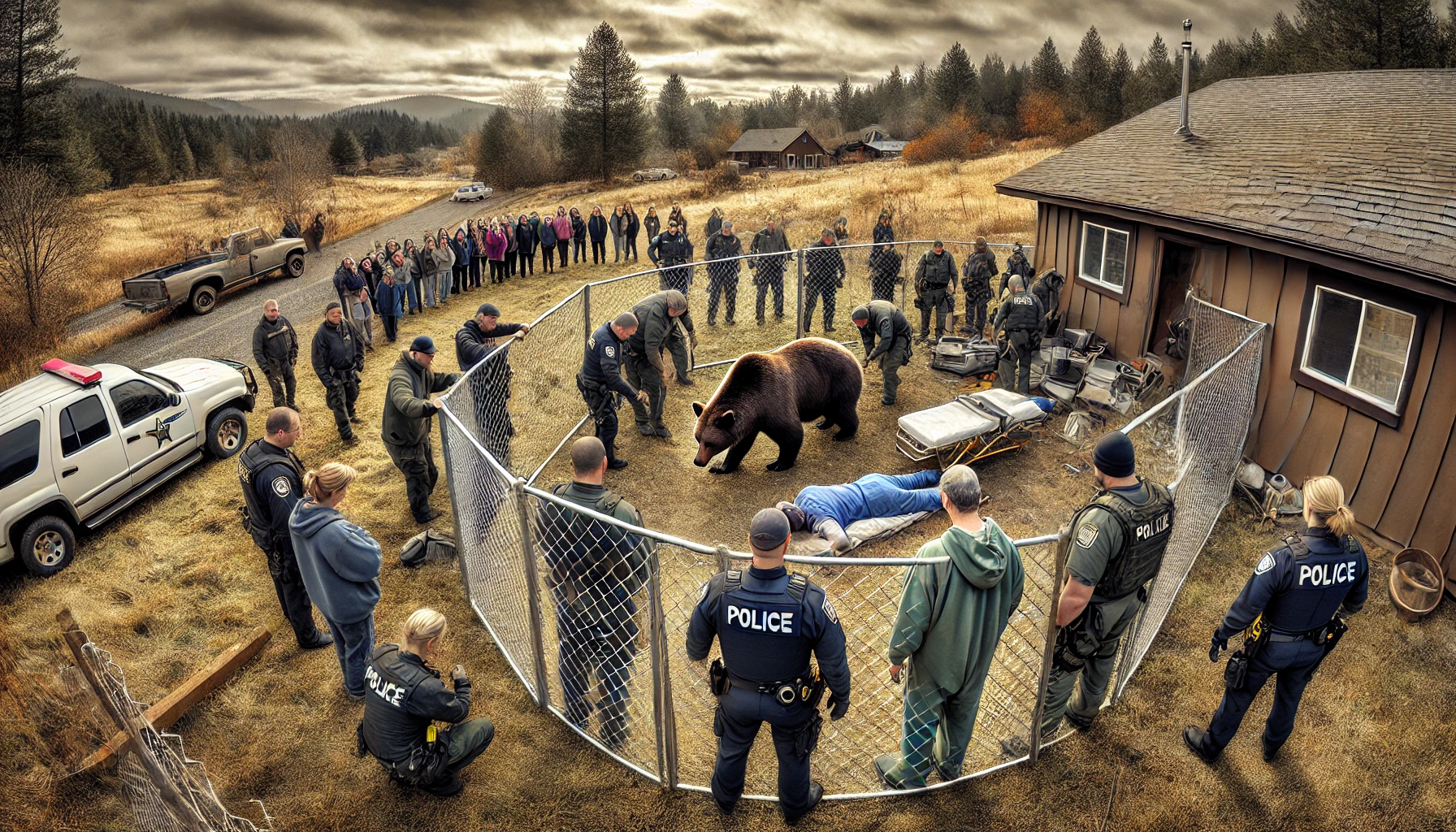
The bear, now a deadly killer, couldn’t be allowed to stay on the property. Authorities were called in to handle the situation, which ultimately ended with the bear being put down to ensure the safety of the community. The event left the neighborhood shaken, some horrified and others reflecting on the dangers of domesticating wildlife. Kelly’s death became a cautionary tale about the fine line between affection for animals and respect for their instincts.
Colana: “So sad. Such a misunderstood bear, in the end.”
Psynet: “More like a bear with a serious misunderstanding about human-snack boundaries.”
Lessons in Unnatural Friendships
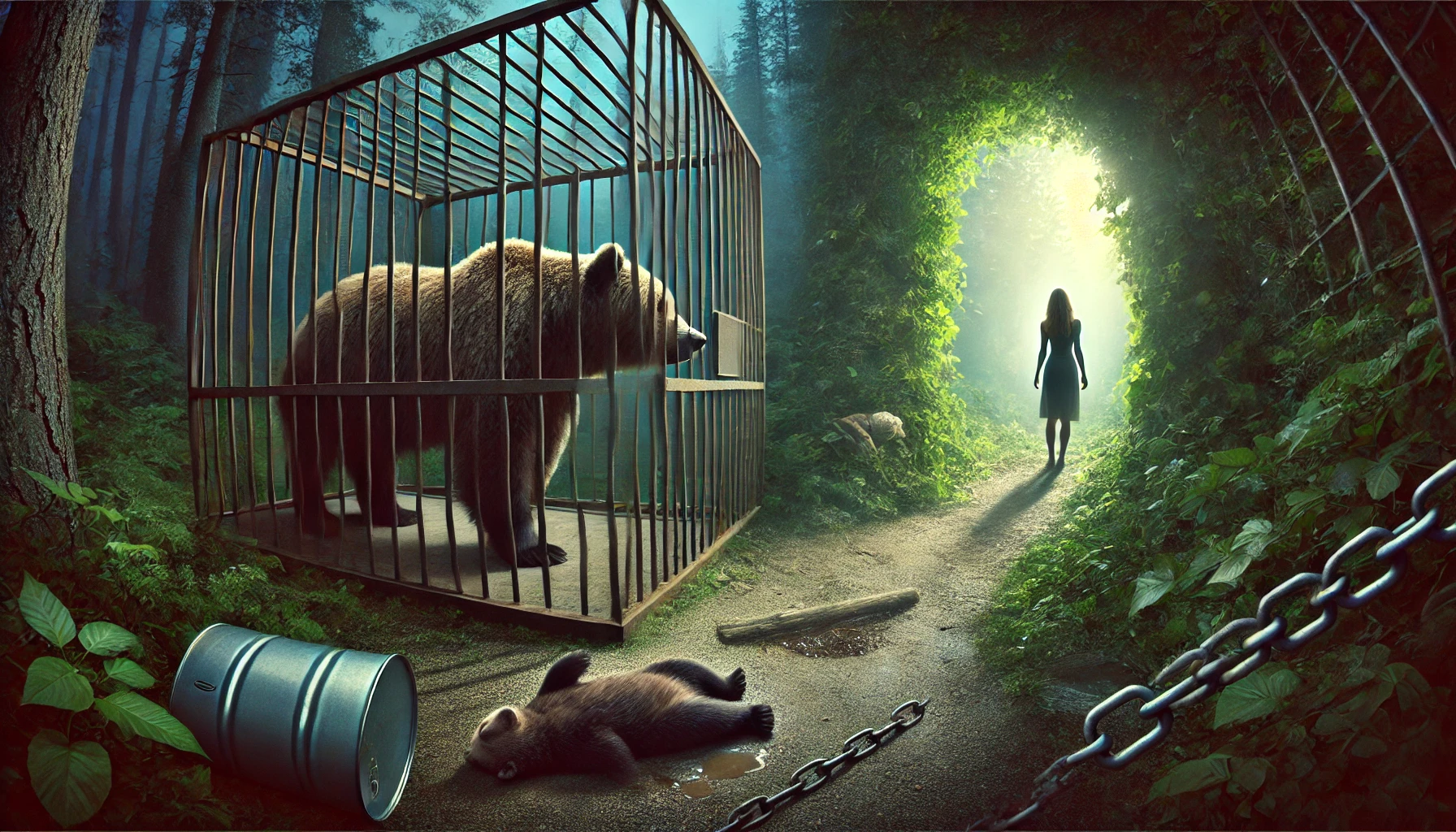
The Walz family’s venture into backyard zoology serves as a potent reminder: sometimes, keeping a lid on things means sticking with pets that don’t have a top position on the food chain. Ross Township was left with a new perspective on the risks of exotic pets, and authorities took a fresh look at wildlife regulations. Kelly’s tragic fate underscored an age-old truth: some bonds between species just aren’t meant to be.
Colana: “A bond… or a boundary, rather.”
Psynet: “Exactly. Like a sturdy, steel, bear-proof boundary.”