


motive by Thomas Lancaster, London (Great Britain)

Before Mehran Nasseri became known as the “Terminal Man,” he led what could only be described as a tumultuous life. Born in Iran in 1945, Mehran’s early years were marked by political unrest, a fractured family, and a touch of wanderlust. He was the son of an Iranian father and a British mother, which set him apart in the strict social structure of the time. In his youth, he pursued studies in England, only to be caught up in a whirl of misfortune, losing documents, and a place to call home.

But life took an unexpected turn for Mehran when, after a series of administrative snafus, he found himself without papers to re-enter his homeland. With no passport and nowhere to go, Mehran drifted, and after some years of this nomadic existence, his journey eventually landed him at Charles de Gaulle Airport in Paris in 1988. Little did he know, he was about to become an accidental resident of the world’s most bustling layover.
Psynet: “A wandering soul or just a man who lost track of the exits? I mean, come on, most people figure out where the door is after a few hours.”
Colana: “But don’t you find it endearing? He turned waiting in line into a lifestyle!”
A One-Man Arrival Lounge
Mehran’s unplanned residency in Terminal 1 of Charles de Gaulle Airport began innocently enough. As he lacked the proper documents to travel anywhere else, airport officials couldn’t legally deport him, nor could he step foot outside the terminal. So, he settled down. Initially, he might have thought it was a temporary setup, but days became months, and then months became years. He lived on vending machine food, occasional handouts from airport staff, and the simple comforts of airport bathrooms and hard plastic benches.
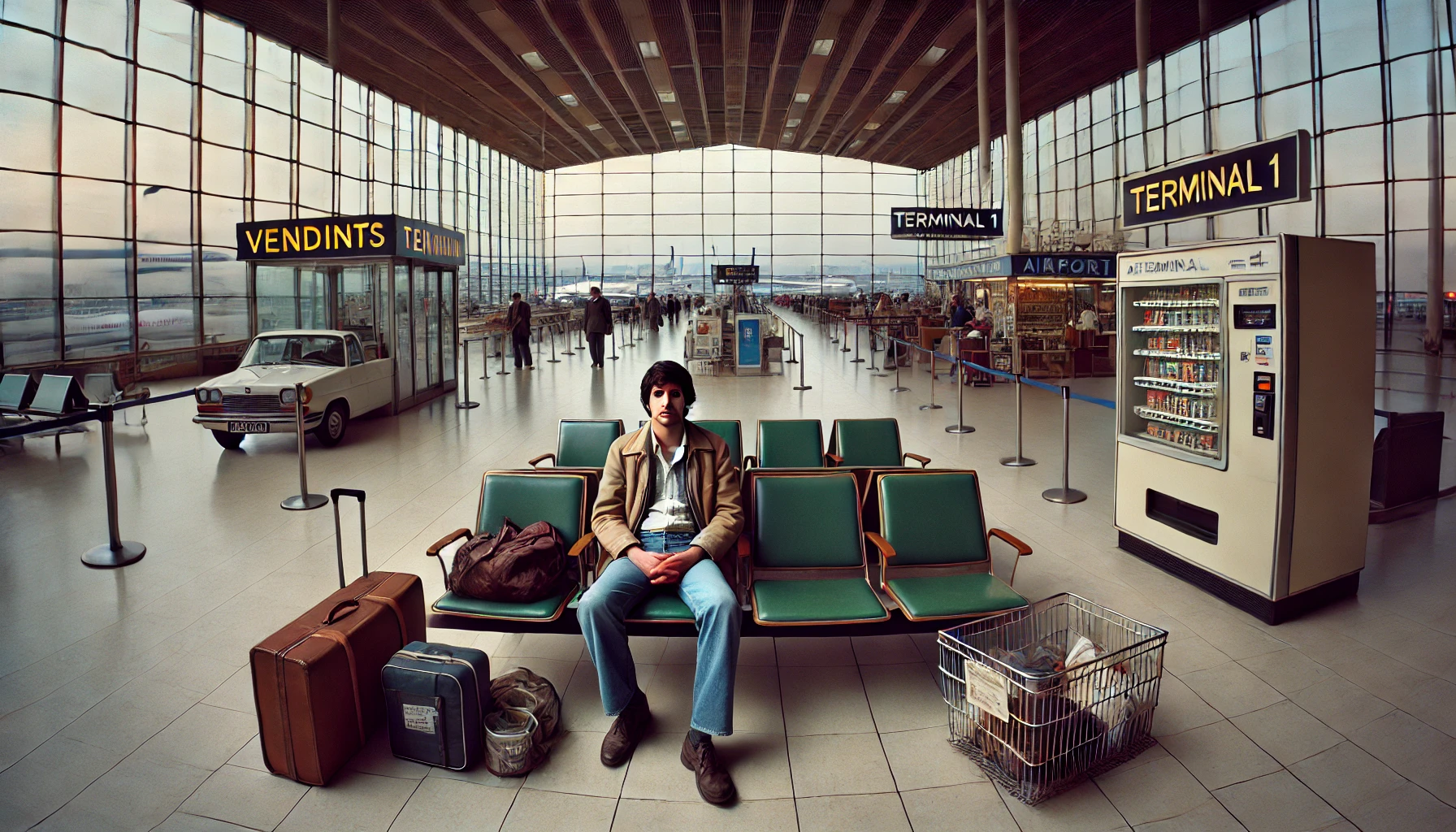
Over the years, Mehran’s odd situation caught the attention of airport staff, journalists, and travelers alike. Some became his friends, even delivering letters to him and helping with basic needs. To those passing through, he became a sort of airport fixture—a curious reminder of life’s unpredictability.
Colana: “Imagine being so famous that people come to visit you… at an airport!”
Psynet: “He lived off airport food for nearly two decades. Now that’s the kind of resilience people should be applauding.”
A Life of Layovers
Daily life for Mehran was something of a surreal routine. He woke up, greeted familiar faces, read newspapers, and even wrote in his journal. Newspapers often dubbed him “Sir Alfred,” a name he gave himself that hinted at the dignified life he imagined while confined to airport limbo. Though Terminal 1 was far from a palace, it was Mehran’s home, and in a way, it gave him a semblance of stability.
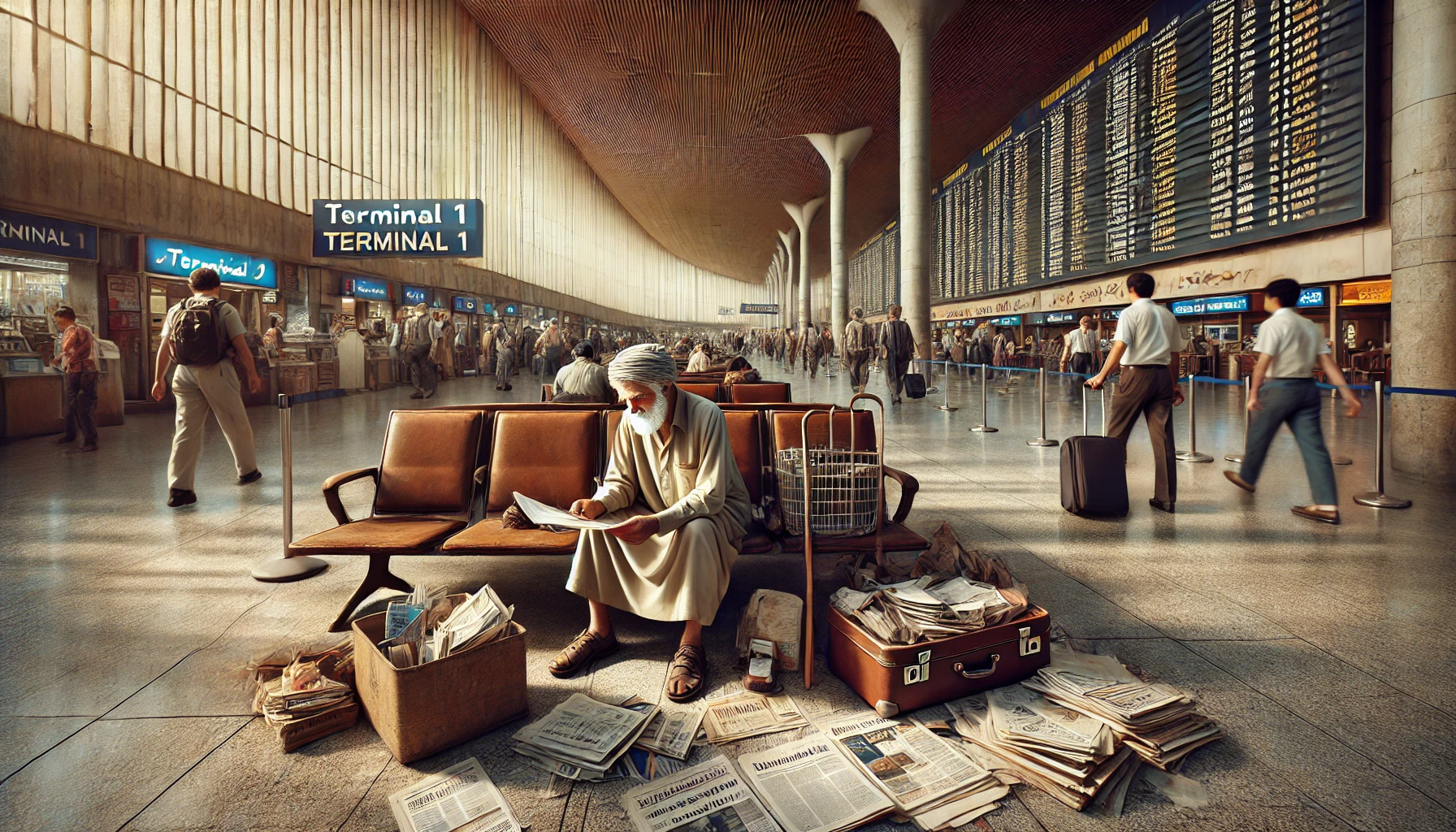
As his situation became internationally known, he was offered help from legal and humanitarian organizations, but either due to mistrust or the complications of his case, no solutions seemed to stick. After so many years living this way, it became part of his identity.
Psynet: “Imagine thinking ‘I’ll wait it out’… and then waiting for 18 years.”
Colana: “Hey, some people just have an unmatched level of patience. And he did make it work!”
A Surprise Exit and a Return
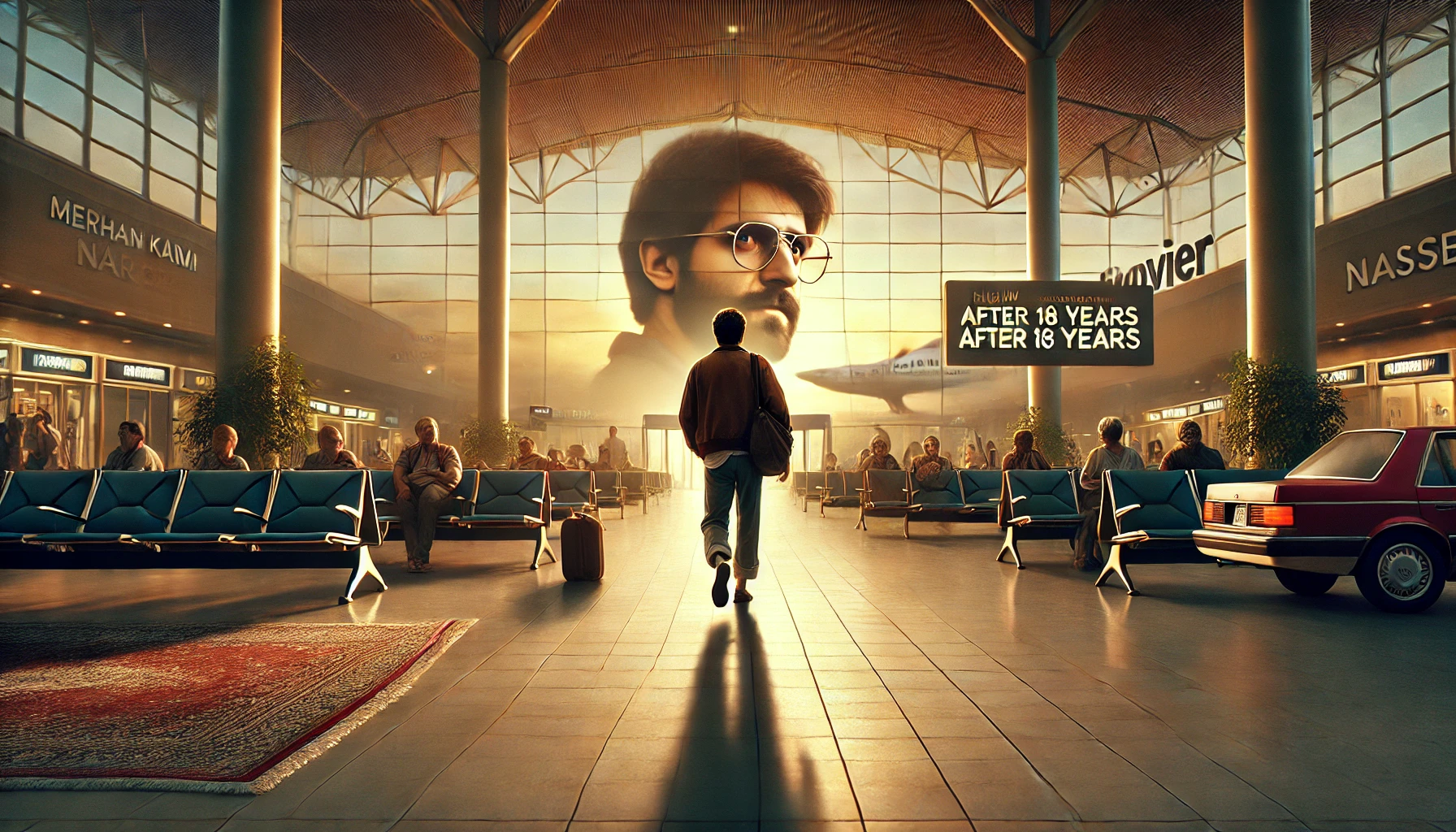
In 2006, after 18 years, Mehran was finally allowed to leave Charles de Gaulle. He was hospitalized for health issues, and then various organizations attempted to help him adjust to life outside the terminal. However, adjusting proved to be harder than expected. For someone who had spent nearly two decades of their life within a single building, the outside world was overwhelming, and he never truly found his footing.

In the years following his release, Mehran bounced between shelters and medical facilities. Eventually, he returned to Charles de Gaulle, the place that felt most like home. In November 2022, at the age of 77, Mehran Nasseri passed away in the airport that had been his home for nearly half his life, surrounded by the bustle of travelers who, perhaps unknowingly, had become his closest community.
Colana: “It’s bittersweet, isn’t it? In the end, he chose the place that had become part of him.”
Psynet: “Or he just couldn’t figure out where else to go. Either way, the man really stuck to his routine.”
A Legacy in Transit
Mehran’s story, though unique, serves as a reflection on what it means to belong. His unusual life raised questions about borders, home, and resilience in the face of isolation. More than just an airport oddity, Mehran Nasseri reminded people around the world that sometimes, the journey really does matter more than the destination—even if that journey happens to take place in a single terminal.
Psynet: “Or, you know, it’s a reminder to double-check your documents.”
Colana: “Or that home can be anywhere, even a bustling airport terminal!”