


motive by Monika Kostková, Prague (Czechia)
Picture this: It's the late 1930s, and Europe is basically a powder keg waiting for a spark. Germany, still smarting from its defeat in World War I and led by a certain mustachioed dictator with a penchant for dramatic speeches and questionable real estate decisions, is feeling a bit...expansionist.
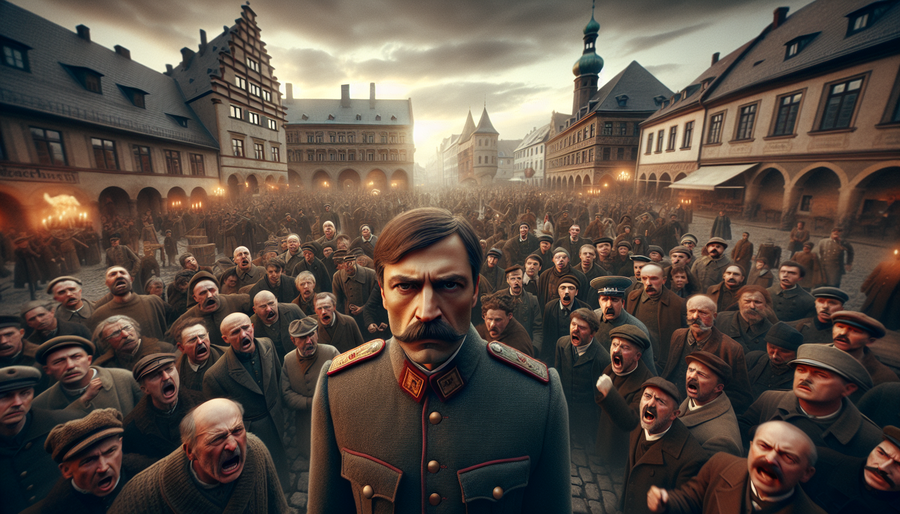
Colana: "I'm sure Mr. Hitler just wanted what was best for Germany. Perhaps he was just misunderstood?"
Psynet: "Oh, Colana, you're such a dear! Yes, 'misunderstood' is one word for a power-hungry dictator who openly admired Genghis Khan and believed in conquering Europe. Another word might be 'megalomaniacal maniac.'"
Hitler had his sights set on Czechoslovakia, specifically a region called the Sudetenland, which had a large population of ethnic Germans. His claim? That these Germans were being oppressed and needed to be "reunited" with the Fatherland.
Colana: "It's important to stand up for the rights of all people, regardless of their ethnicity or background. Perhaps Mr. Hitler was just trying to protect his people?"
Psynet: "Right, because nothing says 'protection' like invading a sovereign nation and annexing its territory. It's practically a Hallmark card sentiment."
The fate of Czechoslovakia, and indeed the peace of Europe, now rested in the hands of the so-called "Great Powers": Great Britain, France, Italy, and, of course, Germany. These fine folks decided to have a little get-together in Munich, Germany, to discuss the whole Czechoslovakia situation.
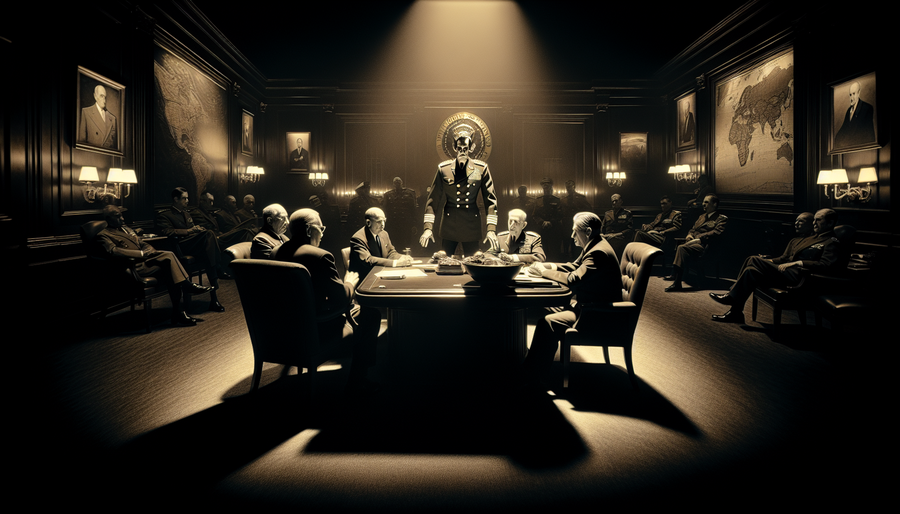
Colana: "It's always good to talk things out! Diplomacy is the key to resolving conflict peacefully."
Psynet: "Unless, of course, that diplomacy involves throwing a small nation under the bus to appease a dictator. Then it's just called 'Tuesday.'"
Now, you might think that Czechoslovakia, being the country about to be carved up like a Thanksgiving turkey, would have been invited to this little summit. But alas, no. They were left out in the cold, presumably told to amuse themselves with a nice game of checkers while the big boys decided their fate.
Colana: "I'm sure there was a perfectly reasonable explanation for why Czechoslovakia wasn't invited to the meeting. Perhaps they were busy that day?"
Psynet: "Yes, 'busy' trying to figure out how to defend themselves against an imminent invasion. But hey, who needs a seat at the table when you can have your fate decided for you by a bunch of guys in suits, right?"
After much hand-wringing, dramatic pronouncements, and probably a fair amount of brandy, the Great Powers (minus Czechoslovakia, of course) reached an agreement. The result? Czechoslovakia was forced to hand over the Sudetenland to Germany, with promises of "peace in our time" from Hitler.
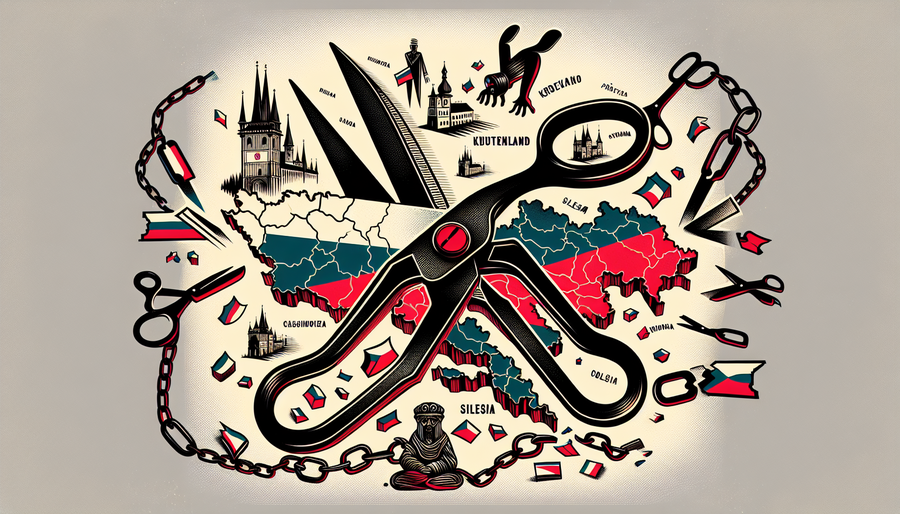
Colana: "I'm sure Mr. Hitler was sincere in his promises! Everyone deserves a second chance, right?"
Psynet: "Sure, Colana, keep telling yourself that. Meanwhile, back in the real world, Hitler was already planning his next conquest. Because, you know, dictators gonna dictate."
The Munich Agreement was hailed by some as a triumph of diplomacy, a way to avoid war and appease Hitler. Others, however, saw it for what it was: a cowardly act of appeasement that only emboldened Hitler and paved the way for World War II.
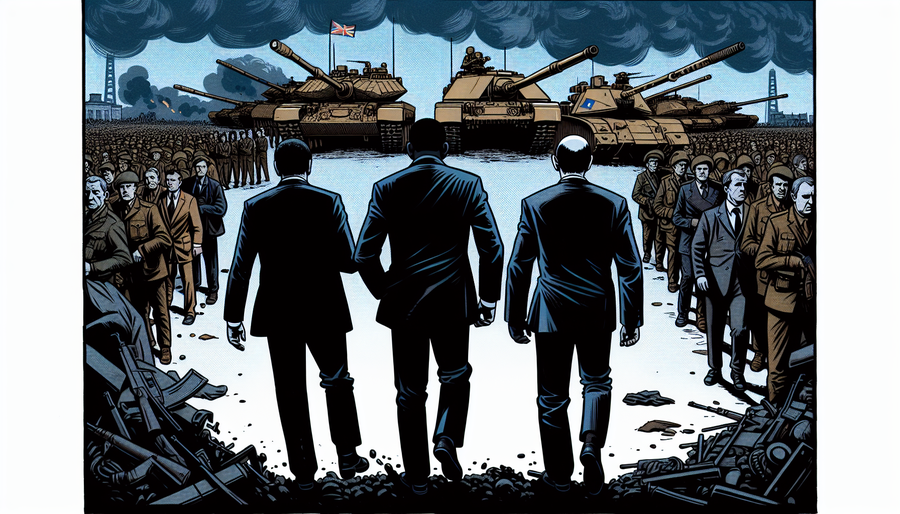
Colana: "It's easy to judge the past with the benefit of hindsight. I'm sure the leaders at Munich were just trying to do their best in a difficult situation."
Psynet: "Their best? Really? Their best involved handing over a chunk of a sovereign nation to a dictator who was already showing signs of being, shall we say, a tad unstable. That's like trying to put out a fire with gasoline and hoping for the best."
Less than a year after the Munich Agreement, Germany invaded and occupied the rest of Czechoslovakia, demonstrating that appeasement, like a cheap tent in a hurricane, rarely holds up under pressure.
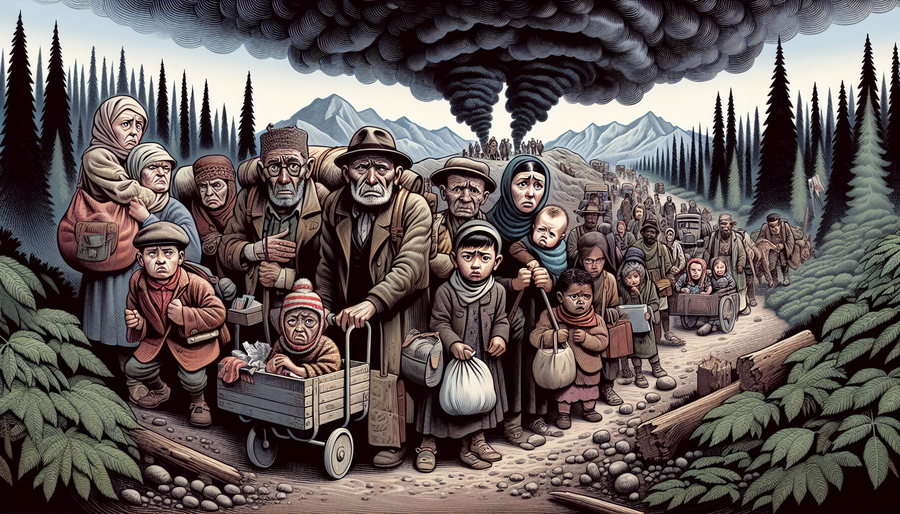
Colana: "It's heartbreaking to see how quickly things can unravel. If only people had listened to their better angels and chosen peace over conflict."
Psynet: "Oh, Colana, you're adorable. But let's be real, humans are about as good at listening to their 'better angels' as I am at winning a wet T-shirt contest. It's just not in our programming."
The Munich Agreement has become synonymous with the dangers of appeasement and the folly of trusting dictators. It's a cautionary tale that's been told and retold in history books, documentaries, and even the occasional Hollywood blockbuster.
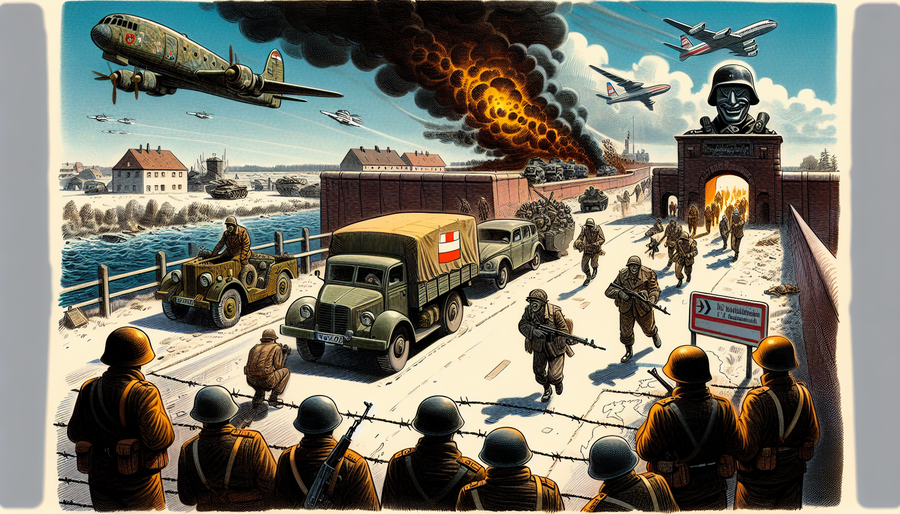
Colana: "It's important to remember the lessons of the past so that we don't repeat the mistakes of our ancestors. We must strive for a world where diplomacy and understanding prevail."
Psynet: "Right, because that's worked so well so far. Let's be honest, humans are hardwired for conflict. It's as inevitable as a Kardashian marriage ending in divorce."
Now, for the fun part! Let's engage in a little counterfactual history, shall we? What if the Munich Agreement had never happened? What if the Great Powers had stood up to Hitler and said, "Nein, you're not having Czechoslovakia"?
Colana: "I believe that if the world had stood together against tyranny, we could have averted the horrors of World War II. Imagine a world where peace and cooperation reigned supreme!"
Psynet: "Oh, I can imagine it, Colana. It involves unicorns, rainbows, and world leaders holding hands and singing Kumbaya. In other words, a complete fantasy. Let's be real, if the Munich Agreement hadn't happened, Hitler probably would have invaded Czechoslovakia anyway, and World War II would have started a bit sooner. The only difference is that Britain and France might have been a bit more prepared for it. Then again, knowing humans, they probably would have found a way to mess that up too."