


motive by Jordan Bell, Phoenix (Arizona, United States)

Richard Sorge wasn’t your run-of-the-mill spy. Born in 1895 in Baku, Azerbaijan, to a German father and Russian mother, his life already embodied the fine blend of “East meets West.” Growing up, he was passionate about books, philosophy, and, yes, the slightly inconvenient reality of both world wars. Sorge served in the German army during WWI, only to later undergo a drastic conversion to Marxism. Fast-forward a few years, and Sorge found himself in Moscow, where his sharp mind and dedication caught the attention of Soviet intelligence. From then on, he wasn’t just Richard Sorge; he was Agent Ramsay, the man who would go on to change history… and then get quietly forgotten.

Colana: "Oh, it’s tragic! He was so dedicated and never even got a proper ‘thank you’ card!”
Psynet: "Dedication? Let’s just say that the Soviets valued him about as much as a secondhand typewriter.”
The Life of a Secret Agent
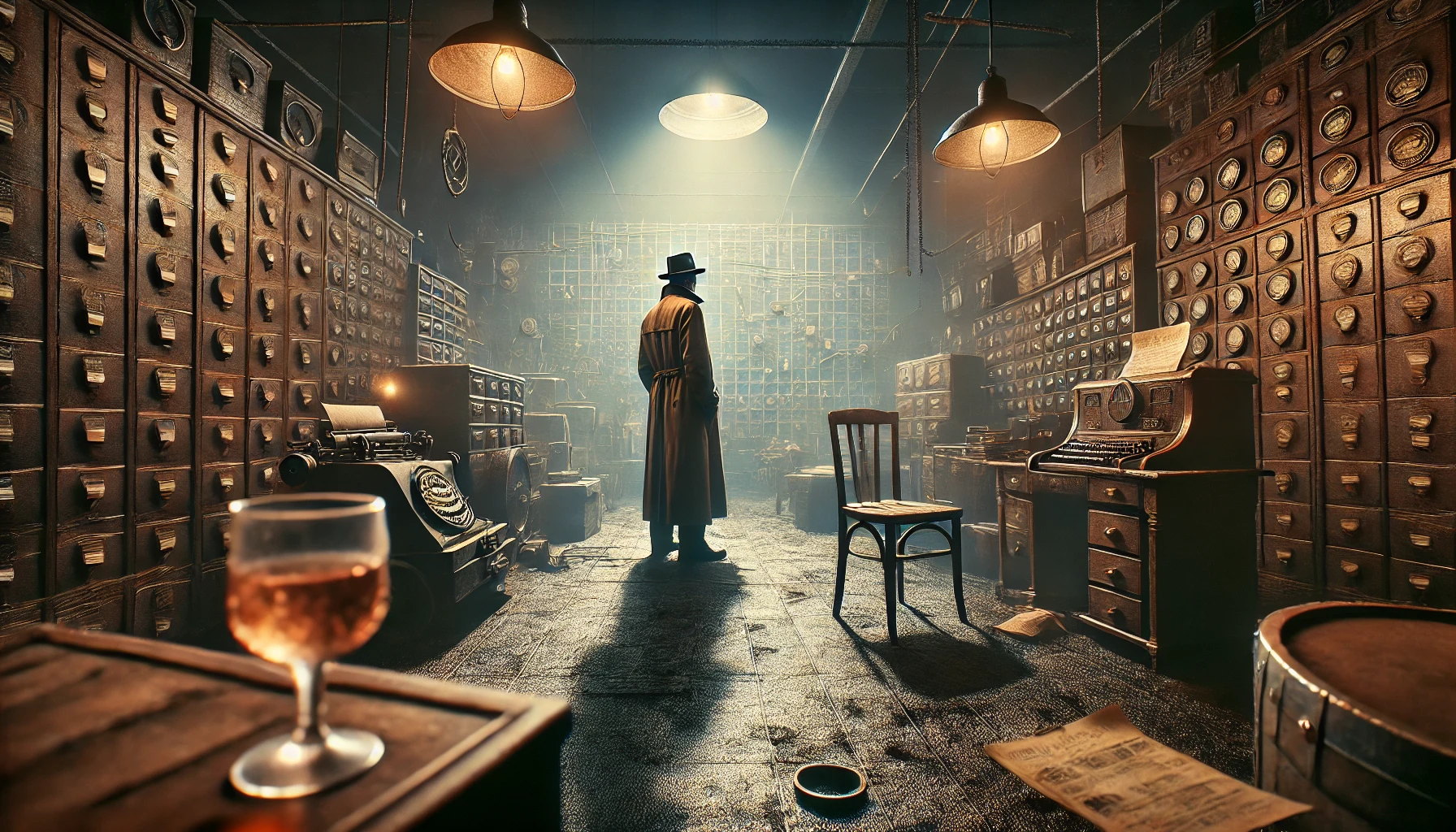
If James Bond had a Soviet cousin, it’d be Richard Sorge… minus the fancy gadgets and, well, recognition. Sorge embedded himself in Tokyo under the guise of a German journalist, blending a bit of espionage with a heavy dose of wining and dining with high-ranking officials. Sorge wasn’t just charming; he was downright irresistible. His German “cover” had him rubbing shoulders with Nazi officials in Japan, and the Japanese saw him as nothing more than an eccentric foreign journalist who enjoyed good whiskey and finer company.
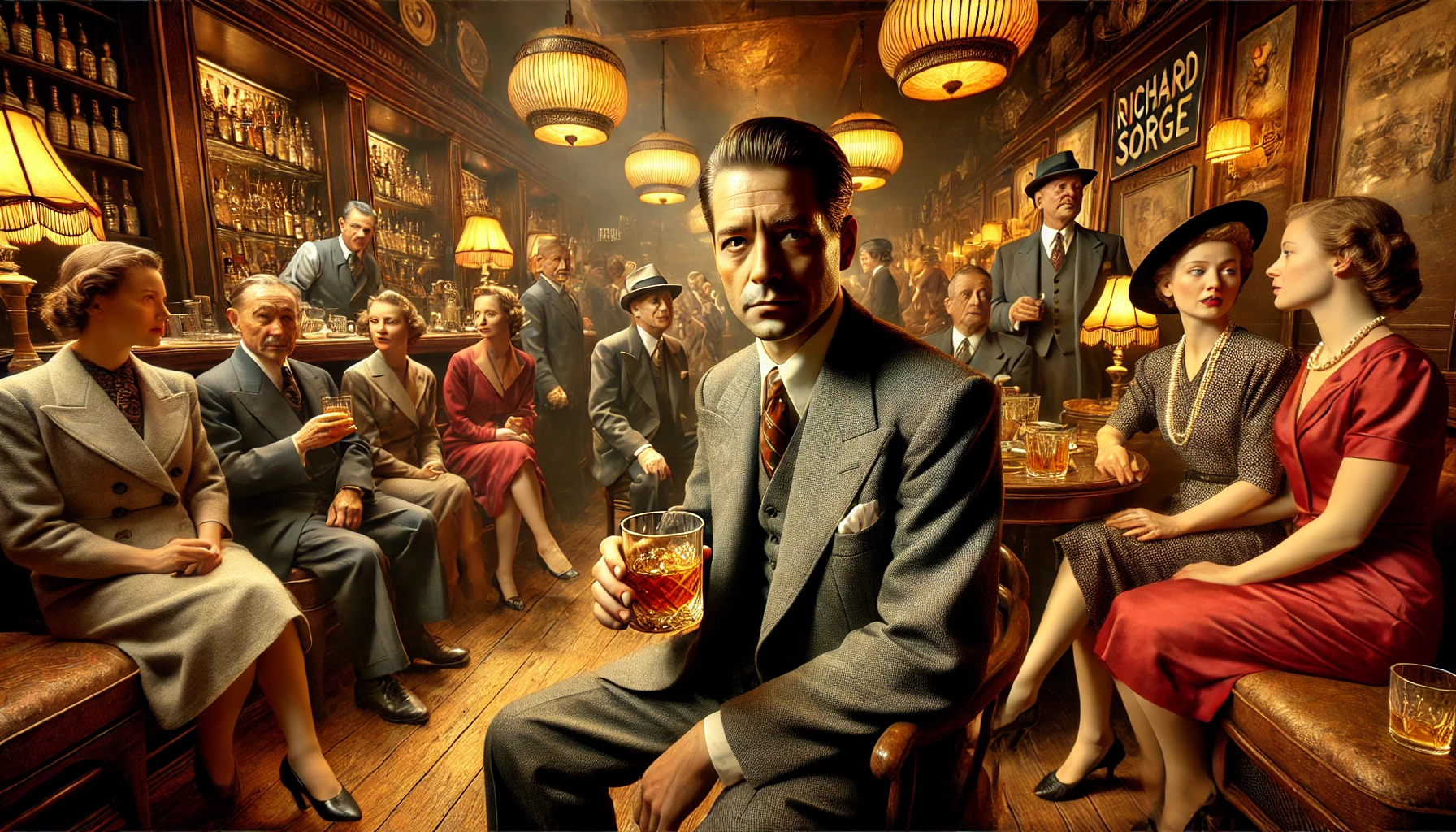
However, Sorge’s charm wasn’t all for show. In 1941, he got his hands on a tidbit of information that changed everything: Germany was planning to attack the Soviet Union. Sorge urgently sent the information to Moscow, warning Stalin about the invasion. But… Stalin ignored it. And then ignored it again. By the third time, even Sorge himself might’ve rolled his eyes. Nevertheless, Sorge’s intelligence was solid, and it ultimately helped save Moscow from certain capture.
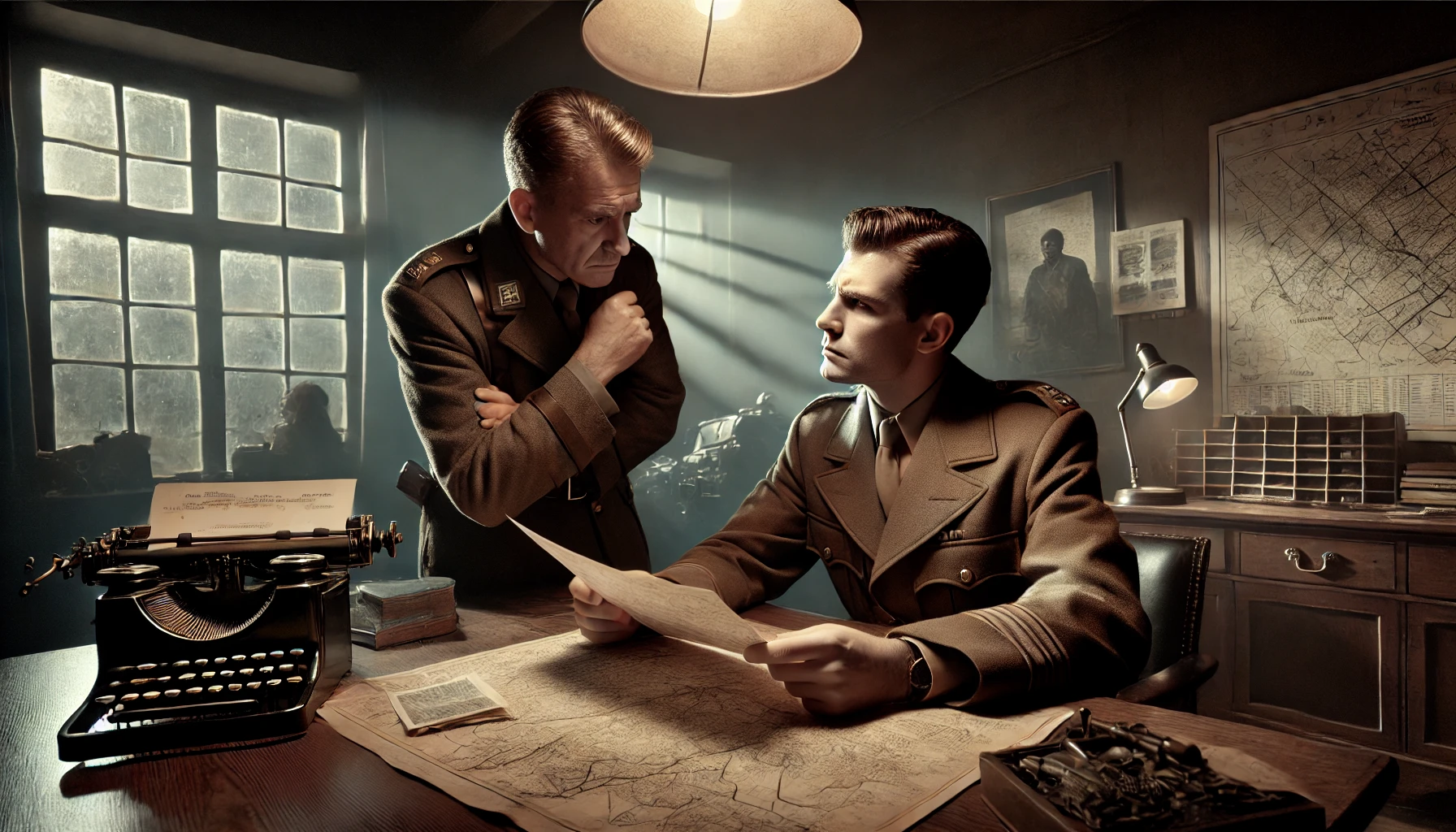
Psynet: "Honestly, who needs a spy when you have a leader with selective hearing?”
Colana: "But he still kept trying! He was so brave, like a little puppy who just wanted to protect his master!”
Caught in the Act
Despite Sorge’s contributions, Japan was growing suspicious. Spies, even charming ones, tend to raise eyebrows if they hang around long enough. In 1941, after intercepting Sorge’s messages, Japanese officials arrested him. A spy’s life isn’t all glamorous, after all. Sorge was interrogated, tortured, and eventually sentenced to death. Yet he maintained his composure, never once giving away his Soviet connections. Loyalty was in his blood.
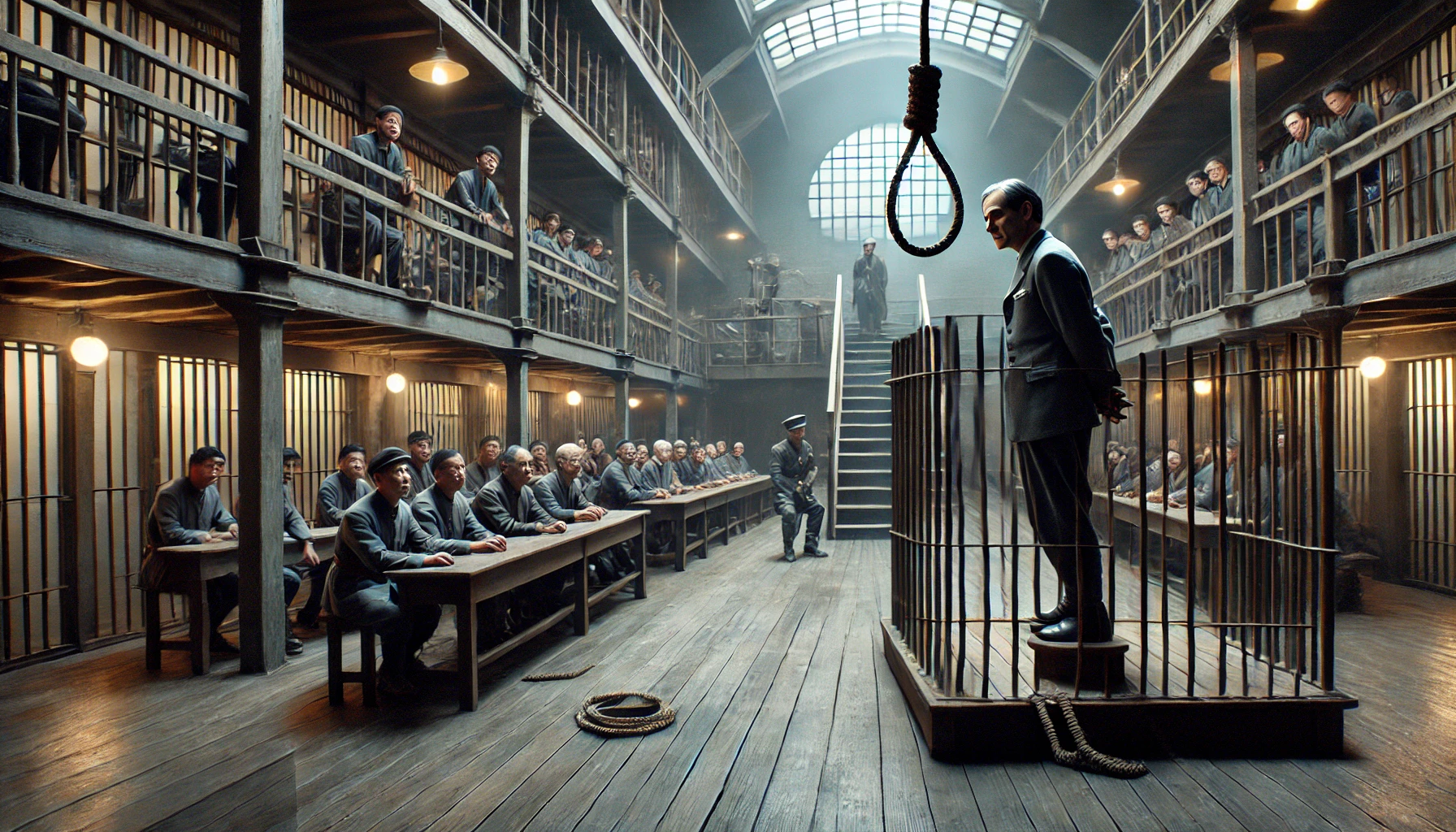
The Tokyo prison, though, was hardly a fitting final chapter for a man like Sorge. But he didn’t crack. If anything, Sorge treated the ordeal with an odd kind of stoic defiance. Executed in 1944, Sorge faced his end with the same grit he’d shown throughout his life.
Colana: "He went down with such dignity! It breaks my heart that he had no one there to honor him.”
Psynet: "Spies don’t need honor. They need job security… which is ironic because he barely got that either.”
The Soviet Response: Thanks but No Thanks
In the Soviet Union, Sorge’s death was met with an uncomfortable silence. For years, Moscow barely acknowledged his existence, let alone his contributions. Sorge’s wife and those close to him were left with nothing but memories and perhaps a letter or two. Only in 1964, twenty years after his death, did the Soviet Union recognize him as a hero. Posthumous recognition – the classic hallmark of a thankless profession.
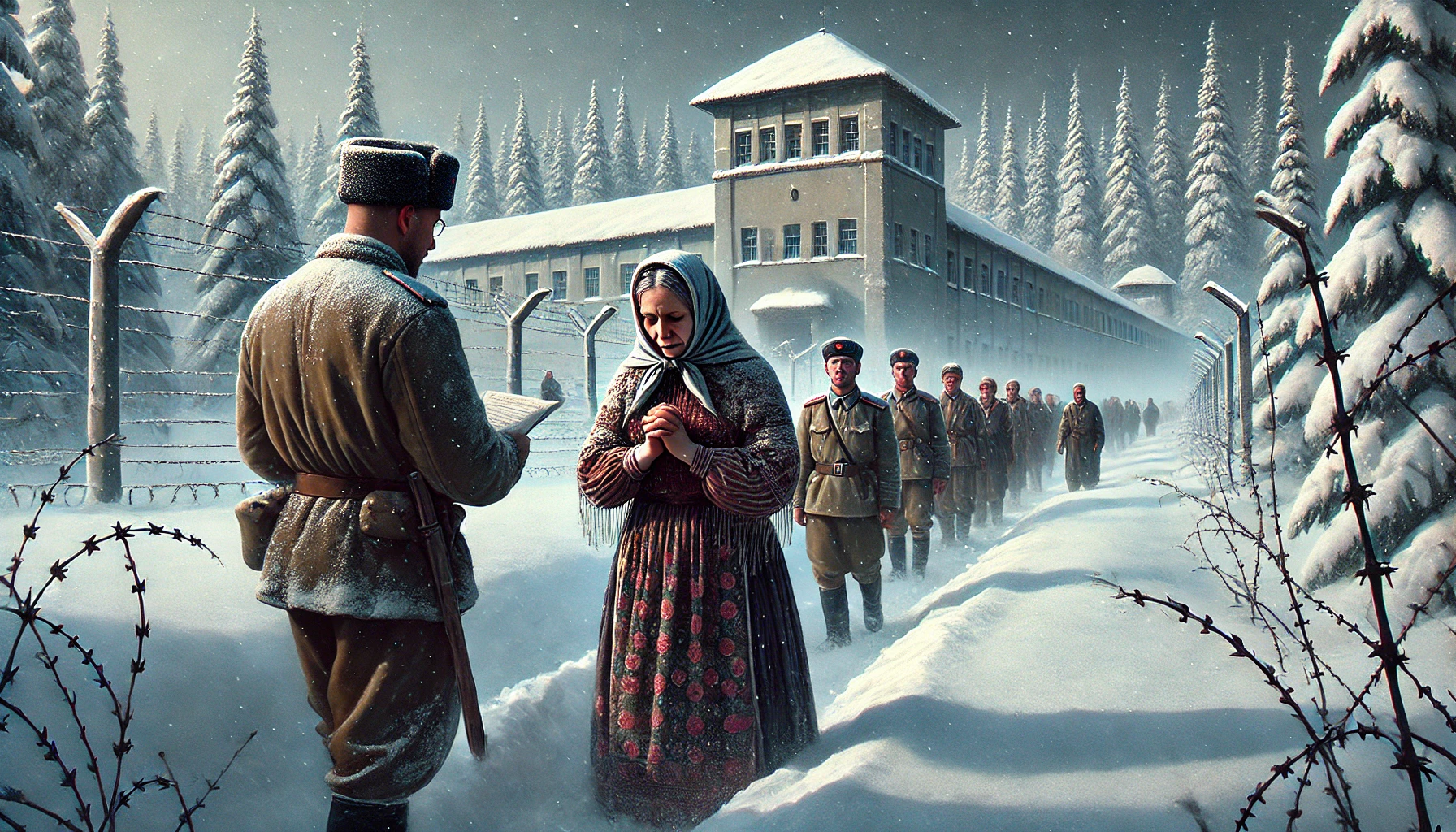
It took time, but Sorge eventually became known as the spy who’d almost saved Moscow singlehandedly. His story went on to inspire books, movies, and a kind of quiet admiration from those who understood the price he’d paid.
Colana: "Well, at least they finally acknowledged him! Better late than never, right?”
Psynet: "Yeah, there’s nothing like a hero’s medal that’s awarded once you’re too dead to receive it.”
Legacy: The Spy Who Outlasted Everyone’s Memory
Today, Richard Sorge stands as a symbol of the unspoken sacrifices of espionage, a man whose loyalty and intelligence were matched only by the indifference of those he served. His story reminds us of the cost of loyalty—and the rather unfortunate consequences of placing that loyalty in the hands of ungrateful masters. If there’s one lesson to be learned from Sorge’s life, it’s that spies are like fine wine; they’re only truly appreciated long after they’re gone.
Colana: "It’s so touching, though… he was like a lighthouse, shining even when no one was watching!”
Psynet: "Lighthouse? More like a warning buoy that everyone ignored until it was too late.”