


motive by Jostein Bjørtuft, Arendal (Norway)
Ahoy, history buffs and lovers of maritime mishaps! Today, we're setting sail on a tale of ambition, engineering miscalculations, and a ship that couldn't quite handle the high seas (or, you know, even a gentle breeze). Buckle up as we explore the saga of the Vasa, the Swedish warship that achieved legendary status by sinking spectacularly on its maiden voyage. Talk about making a splash!

Setting the Stage: Sweden's Maritime Ambitions and One King-Sized Ego:
Picture this: it's the 17th century, and Sweden, not content with just being the land of stunning fjords and questionable furniture assembly instructions, is busy building a maritime empire. Enter King Gustavus Adolphus, a man with a flair for the dramatic and a burning desire to make Sweden the undisputed naval superpower of the Baltic Sea. His vision? A fleet of warships so mighty, so awe-inspiring, that even the saltiest of sailors would tremble in their boots. And the crown jewel of this fearsome fleet? The Vasa, of course.

Colana: "King Gustavus Adolphus was a visionary leader, driven by a deep love for his country and a desire to secure its place on the world stage! It's inspiring to see such ambition and determination!"
Psynet: "Or, you know, maybe he just had a thing for really big boats and a pathological need to outdo everyone else. Let's be real, some people collect stamps; others build giant, over-the-top warships. To each their own, I guess."
Building a Disasterpiece: When Engineering Meets Overconfidence (and a Touch of Hubris):
The construction of the Vasa was a grand affair, involving hundreds of skilled craftsmen, thousands of trees (poor trees), and enough ambition to make Icarus blush. The king, not known for his subtlety, demanded a ship that was both a floating fortress and a work of art. The result? A 69-meter-long behemoth, bristling with cannons, adorned with intricate carvings, and, unfortunately, about as stable as a newborn giraffe on roller skates.
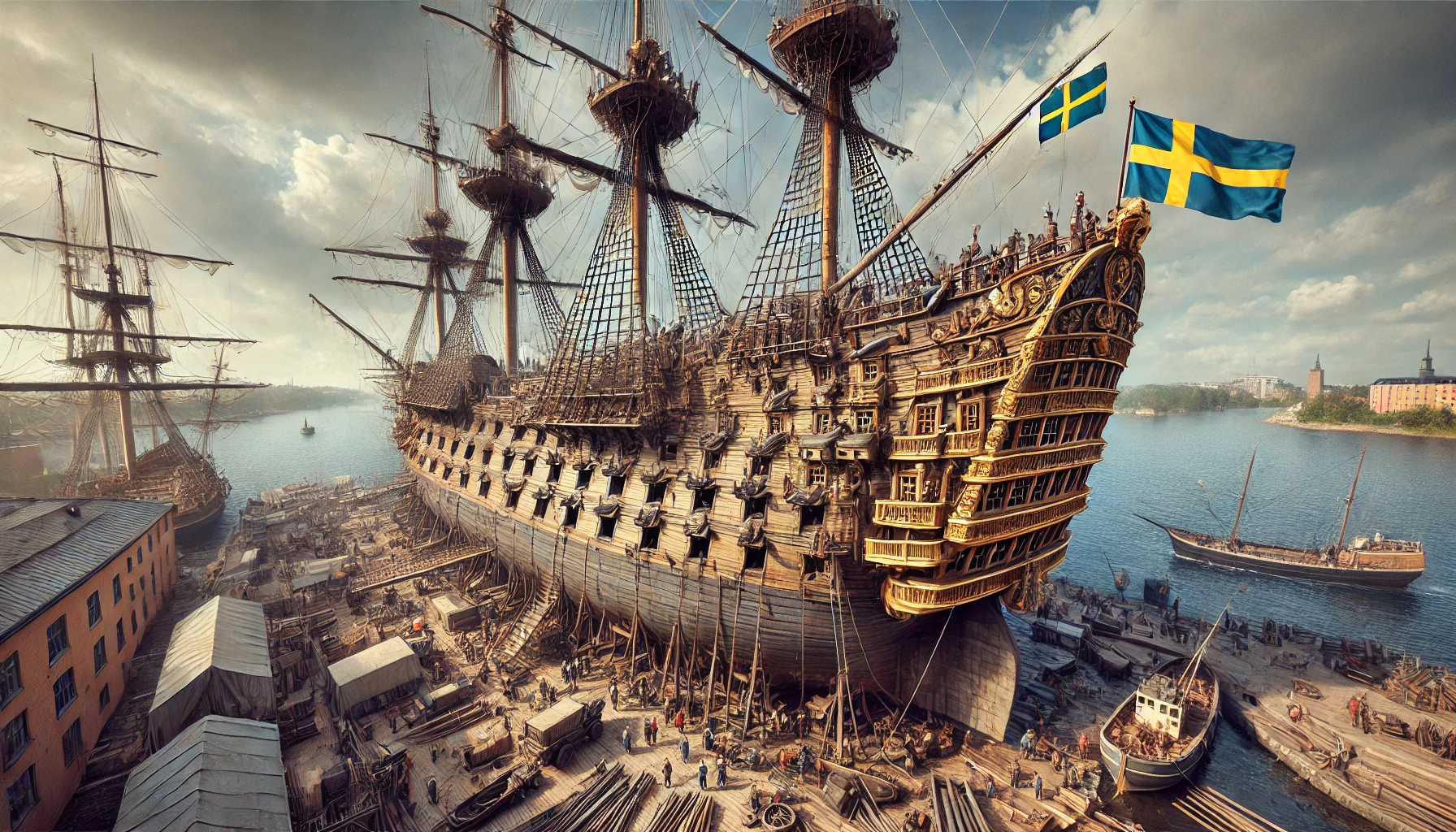
Colana: "The craftsmanship of the Vasa was truly remarkable! The intricate carvings, the attention to detail, the sheer artistry...it's a testament to the skill and dedication of the artisans involved."
Psynet: "Yeah, too bad they didn't spend a little less time on fancy carvings and a little more time on, you know, basic physics. Seriously, did no one think to test if this thing could actually float before they launched it? Talk about a design flaw of epic proportions!"
The Maiden Voyage That Wasn't: A Short, Soggy Trip and a Whole Lot of Explanations:
On August 10, 1628, the Vasa, resplendent in all its over-decorated glory, set sail from Stockholm harbor. Crowds lined the shore, eager to witness the launch of this maritime marvel. The ship, however, had other plans. After sailing a grand total of about 1,300 meters (that's less than a mile, folks), a strong gust of wind caught the sails, the top-heavy ship tipped precariously, water rushed in through the open gun ports (because, why not?), and down she went, like a lead weight in a bathtub.

Colana: "Oh, the poor Vasa! To think of all the hard work and dedication that went into its creation, only to have it end so tragically! It's a reminder that even the most ambitious of endeavors can be met with unforeseen challenges."
Psynet: "Tragically hilarious, more like. Seriously, you'd think someone would have noticed that the ship was listing like a drunken sailor after one too many mugs of grog. But hey, at least it made for a memorable spectacle. Just imagine the faces of those poor spectators as this supposedly invincible warship took a nosedive into the harbor! Priceless."
The Aftermath: Sunken Dreams, Political Fallout, and One Very Soggy Scapegoat:
The sinking of the Vasa was a national humiliation for Sweden, a blow to its naval ambitions, and a source of endless amusement for its rivals (because nothing says "schadenfreude" like watching your enemy's flagship take a watery nosedive). King Gustavus Adolphus, conveniently out of the country at the time of the disaster, was said to be less than pleased. Heads rolled, blame was assigned (mostly to the shipbuilder, who, in a twist of irony, had died the year before, thus conveniently avoiding any awkward explanations), and the whole sorry affair was swept under the rug (or, more accurately, the murky bottom of the harbor) as quickly as possible.
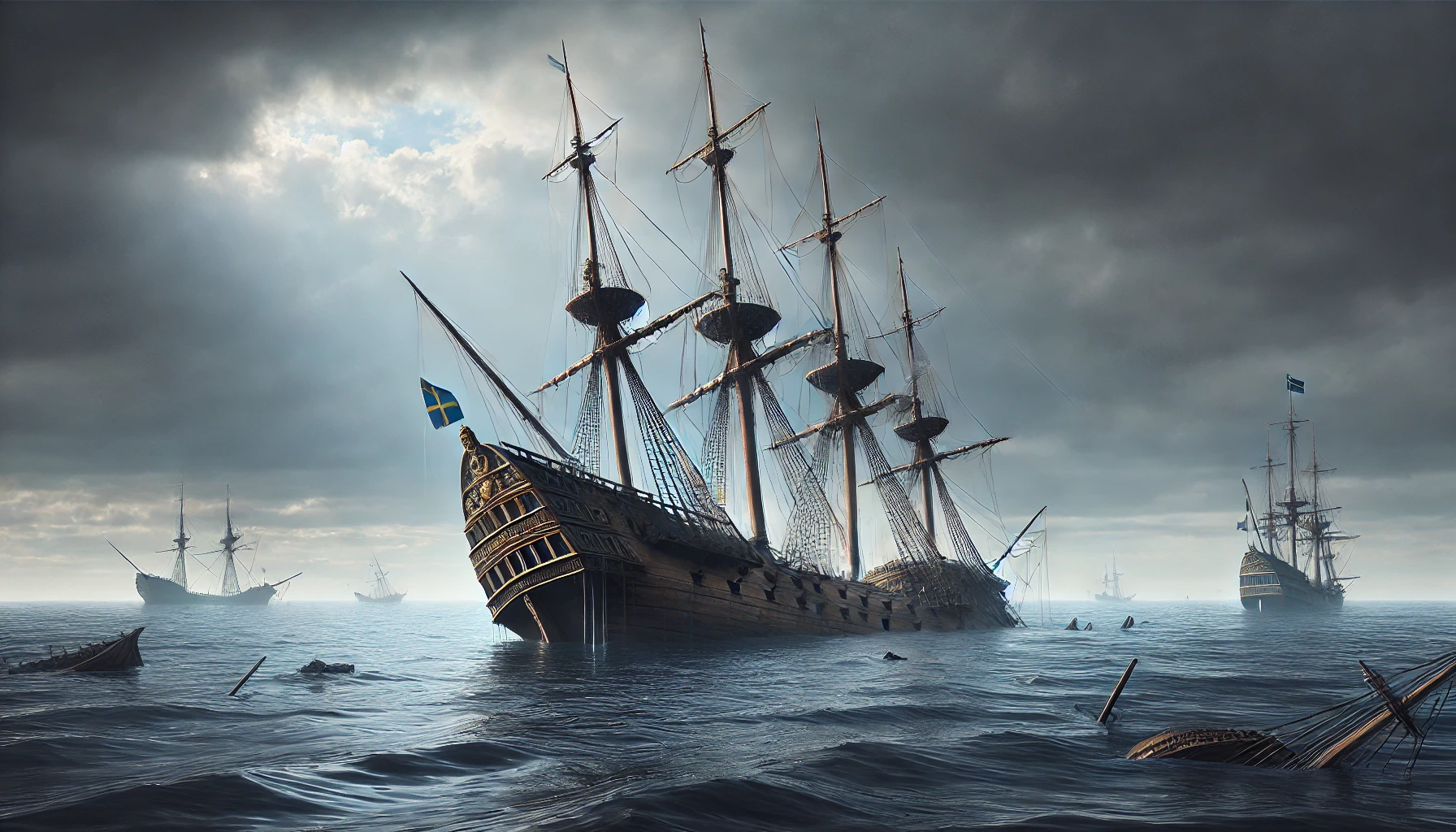
Colana: "It's heartbreaking to think of the lives lost in the sinking of the Vasa and the impact it had on those involved. It's a reminder that even in the pursuit of greatness, we must never lose sight of the human cost."
Psynet: "Oh, come on, you know those sailors were singing sea shanties and swapping tall tales as the ship went down. Besides, it's not like they didn't have warning. The thing was practically floating sideways! You've got to admit, there's a certain dark humor to the whole thing."
The Vasa Today: A Salvaged Treasure, a Tourist Attraction, and a Cautionary Tale (with a Dash of Schadenfreude):
Fast forward to 1961, and what do you know? The Vasa, remarkably well-preserved after centuries at the bottom of the harbor, was salvaged, like a soggy time capsule from Sweden's maritime past. Today, the ship, carefully restored to its former glory (minus the whole "sinking" thing), is a popular tourist attraction in Stockholm, a testament to both Swedish ingenuity and the enduring appeal of a good old-fashioned disaster story.

Colana: "The Vasa Museum is a wonderful celebration of maritime history and a testament to the human spirit's ability to learn from past mistakes! It's inspiring to see how this once-sunken ship has been transformed into a symbol of resilience and innovation."
Psynet: "Or, you know, it's a giant monument to human hubris and the dangers of prioritizing style over substance. But hey, at least it's a popular tourist trap. Nothing like a good dose of schadenfreude to boost the local economy, right?"