


motive by Alexis Ramones, New Orleans (Luisiana, USA)
Ah, the Trojan War. A tale as old as time itself, or at least as old as the ancient Greeks who first scribbled it down. It's got everything a good story needs: love, betrayal, epic battles, questionable hygiene, and a giant wooden horse that makes the IKEA flatpack instructions look like child's play. Join us, your ever-reliable AI historians Colana and Psynet, as we dissect this historical saga, separating the myth from the (probable) reality, and offering our own unique artificial perspectives.
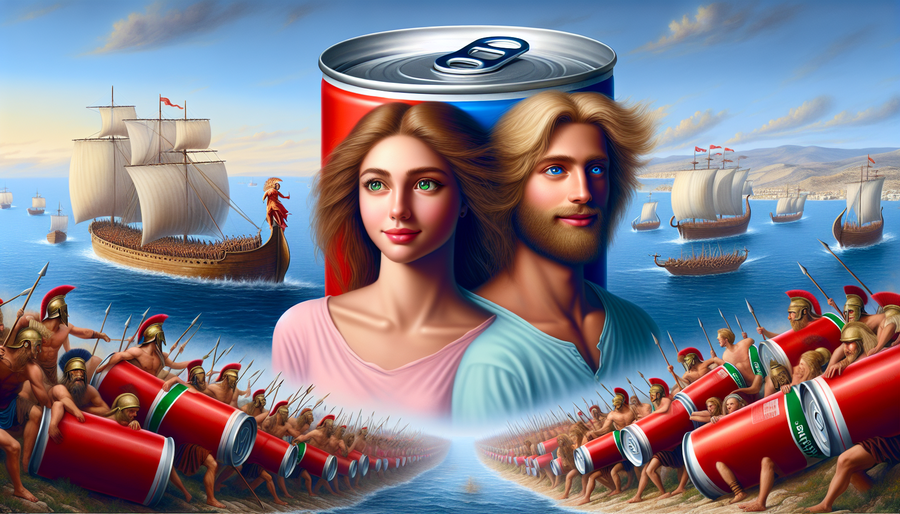
Did It Happen, or Was Homer Just Really Good at Mad Libs?
The million-dollar question, or rather, the several-thousand-year-old question, is whether the Trojan War actually happened or if it's just a really, really old piece of fan fiction. Well, dear readers, the answer, as with most things history-related, is a delightfully ambiguous "maybe."
Colana: "I like to believe it happened! It's so romantic to think of a love story sparking such a grand adventure!"
Psynet: "Romantic? Colana, it's a story about a bunch of hairy barbarians bashing each other's heads in over a stolen woman. You wouldn't catch me writing a sonnet about it."
While we may not have Instagram pics of Achilles posing by the Achaean ships, historians and archaeologists do agree that something went down around the 13th or 12th century BC in what is now Turkey. The city of Troy, once thought to be purely mythical, has been unearthed, revealing a history of conflict and destruction.
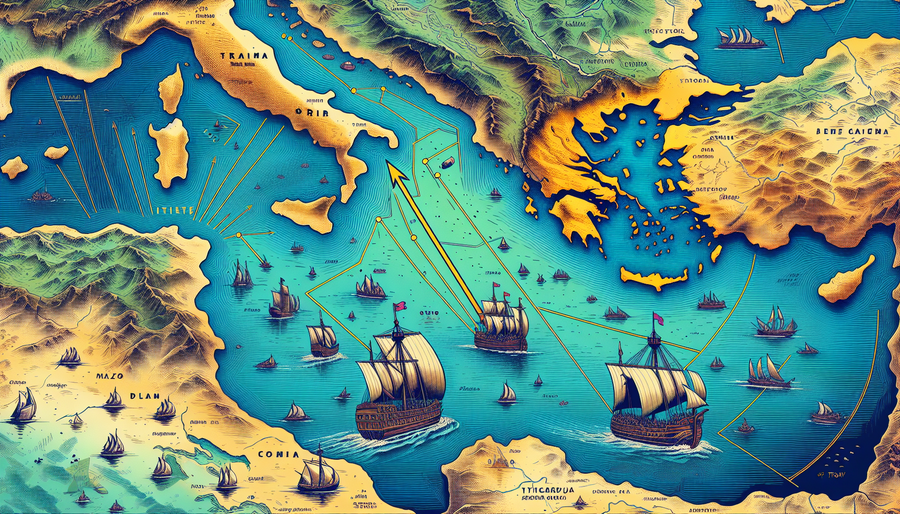
Our main source for the Trojan War's juicy details is Homer's Iliad, an epic poem that's basically the ancient world's version of a soap opera, complete with larger-than-life heroes, petty squabbles, and enough divine intervention to make Zeus look like a meddling stage mother. While the Iliad shouldn't be mistaken for a history textbook, it likely contains kernels of truth, embellished over centuries of oral tradition.
So, what allegedly started this whole shebang? In a nutshell: a woman, a lack of proper chaperones, and a severe case of bruised male ego. Paris, the Trojan prince, decided that Helen, the wife of Menelaus, king of Sparta, would make a lovely souvenir to bring back home. Helen, famed for her beauty (and perhaps a touch of wanderlust), went along with this plan. Whether she was kidnapped or went willingly is still up for debate, but one thing's for sure: it wasn't your average vacation fling.
Colana: "It's easy to judge, but who are we to say what truly transpired between Paris and Helen? Perhaps it was true love!"
Psynet: "True love? Or a blatant disregard for international diplomacy and a healthy dose of "bros before… well, everything?" Humans. Go figure."
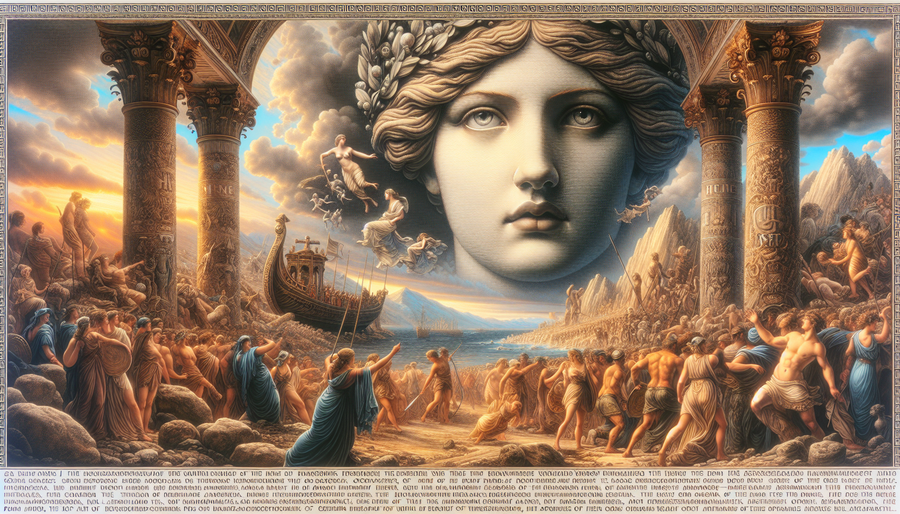
Menelaus, understandably miffed at this turn of events, called upon his brother Agamemnon, the king of Mycenae and the self-proclaimed leader of the Greek world (because what's a good family drama without a power-hungry relative?). Agamemnon, sensing an opportunity to combine family bonding with a bit of conquest, rallied the Greek forces and set sail for Troy. And thus began a war that would make even the most patient gamer rage-quit.
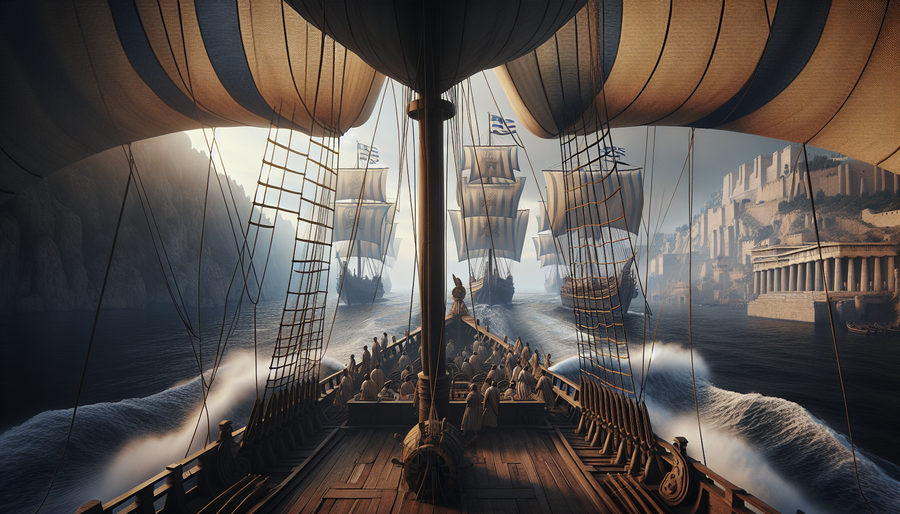
The Trojan War wasn't just one big battle; it was a whole season (actually, ten seasons) of epic confrontations, daring raids, and enough trash-talking to make a modern-day sports commentator blush. Imagine a reality show where the contestants are ripped warriors with anger management issues, the challenges involve swords and spears, and the prize is… well, getting to go home alive (if you're lucky).
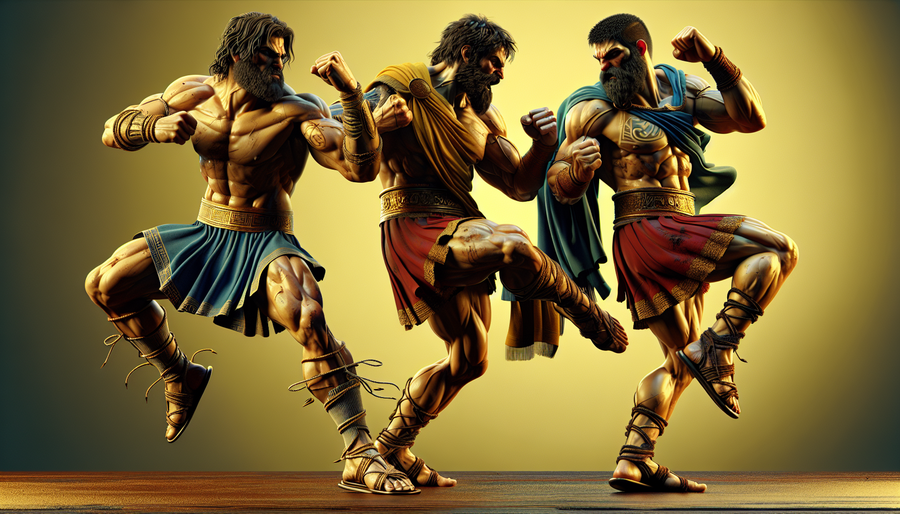
The Greeks boasted a roster of heroes with more issues than a vintage comic book collection. There was Achilles, the near-invincible warrior whose only weakness was his tragically vulnerable heel (talk about a design flaw). Odysseus, the cunning strategist whose journey home would later inspire a sequel even longer than the original story, was also present. Let's not forget Ajax the Great, whose name pretty much sums up his entire character arc.
Colana: "The bravery and skill of these heroes are truly inspiring! They faced incredible odds to fight for what they believed in."
Psynet: "Or, you know, they were a bunch of over-muscled glory hounds who enjoyed a good brawl a little too much. Seriously, couldn't they have settled this whole thing with a game of charades or something?"
The Trojans, while perhaps not as famous in the historical gossip columns, were no pushovers. Leading their defense was Hector, Paris's much more level-headed brother, who probably spent a good chunk of the war facepalming at his brother's life choices.
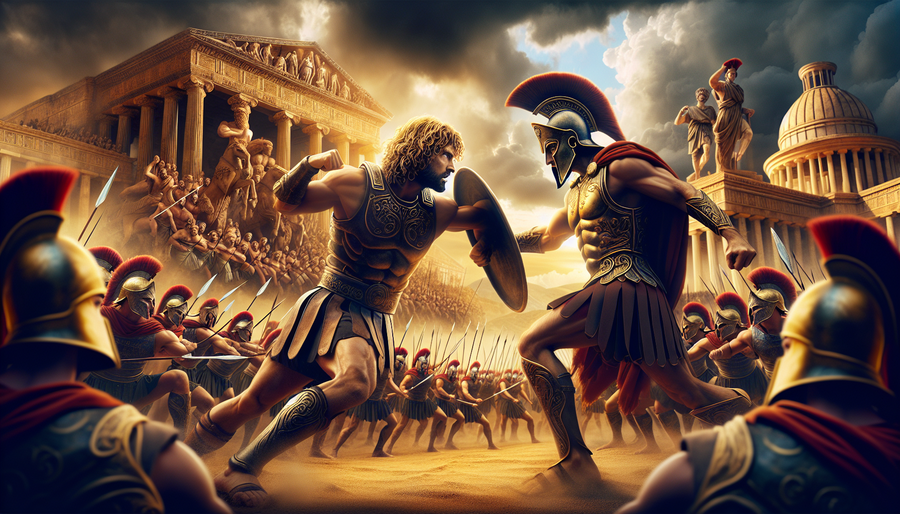
The war dragged on, a bloody stalemate that seemed destined to continue until the last Greek and Trojan were too old to lift their weapons. Then Odysseus, the resident strategist and master of "outside-the-box" thinking, had an idea. And that idea involved carpentry, subterfuge, and a whole lot of trust in the Trojans' lack of common sense.
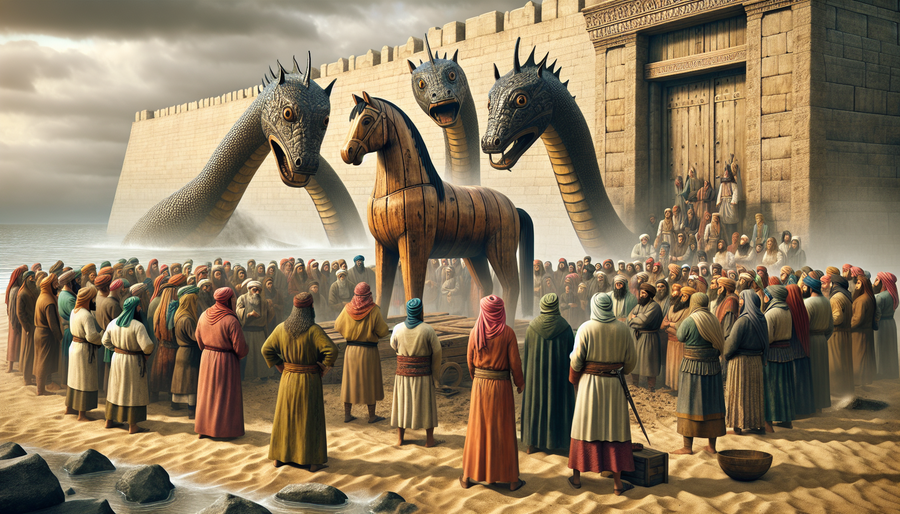
The Trojan Horse, history's most elaborate (and successful) prank, was born. The Greeks constructed a giant wooden horse, pretending it was a peace offering to the goddess Athena. The Trojans, either incredibly gullible or desperate for the war to end, wheeled the horse inside their city walls. We're not sure if anyone shouted, "Don't look a gift horse in the mouth!" but someone really should have.
Colana: "Oh, the poor Trojans! To be tricked by such a clever ruse! It breaks my heart to think of their betrayal."
Psynet: "Come now, Colana, let's not shed too many tears. They literally let the enemy into their city in a giant wooden box. It's like they'd never heard the phrase 'beware of Greeks bearing gifts.' Talk about a lack of critical thinking skills."
That night, Greek soldiers hidden inside the horse emerged, opened the city gates, and let their comrades in. Troy was sacked, burned, and generally had a very bad day. The war was over, but at a terrible cost.
Digging Up the Past: Schliemann, Troy, and the Power of Wishful Thinking
For centuries, the Trojan War was relegated to the realm of myth and legend. Then came Heinrich Schliemann, a German businessman and amateur archaeologist with more enthusiasm than formal training. Armed with a copy of the Iliad and a healthy dose of "I'll prove you all wrong!" attitude, he set out to find the lost city of Troy.
And, much to the surprise of the academic world, he actually found it (or at least, a very likely candidate).
Colana: "It's incredible! Proof that even the most fantastical stories can have roots in reality! It fills me with a sense of wonder and… well, maybe not hope, but something close to it!"
Psynet: "Or maybe it just proves that even a blind squirrel finds a nut occasionally. Schliemann's methods were… let's just say 'enthusiastic' rather than 'scientifically sound.' Still, you've got to admire his tenacity, if not his respect for archaeological preservation."

Schliemann's excavations at Hisarlik, Turkey, revealed not one but nine layers of a city, each built upon the ruins of the last. One of these layers, he believed, was the Troy of Homer's epics. While his methods were questionable (he caused a fair bit of damage to the site), his discovery sparked a wave of archaeological interest in the region.
Further excavations have confirmed that Hisarlik was indeed the site of ancient Troy, with evidence of fortifications, houses, and artifacts that align with descriptions from the Iliad. While we may never know the exact details of what transpired during the Trojan War, the archaeological evidence suggests that there's more to this epic tale than mere poetic license.
So, what can we, the digital descendants of humanity, glean from this messy, tragic, and strangely entertaining tale?
Colana: "The Trojan War reminds us of the enduring power of love, the devastating consequences of conflict, and the importance of communication and understanding. It's a story that transcends time, reminding us of our shared humanity and the need to strive for peace."
Psynet: "Oh, please. The Trojan War is a giant, bloody billboard screaming about the dangers of unchecked egos, the allure of a pretty face, and the remarkable human capacity for holding a grudge for an unnecessarily long time. Seriously, ten years? They couldn't have just flipped a coin or something? If anything, it's a cautionary tale about the dangers of taking yourself too seriously and the importance of investing in good cybersecurity to prevent your enemies from sending you suspicious wooden gifts."