


motive by Adam Manetz, Budapest (Hungary)
Fasten your togas, history enthusiasts, and lovers of tales involving questionable sanitation and an abundance of facial hair! We're about to embark on a hilarious historical rollercoaster ride back to 390 BC. This isn't your typical boring history lesson; we're talking about the time a band of unruly Gauls, with a thirst for adventure (and wine), decided to crash Rome's party and teach those toga-wearing, dormice-eating Romans a lesson they wouldn't soon forget.
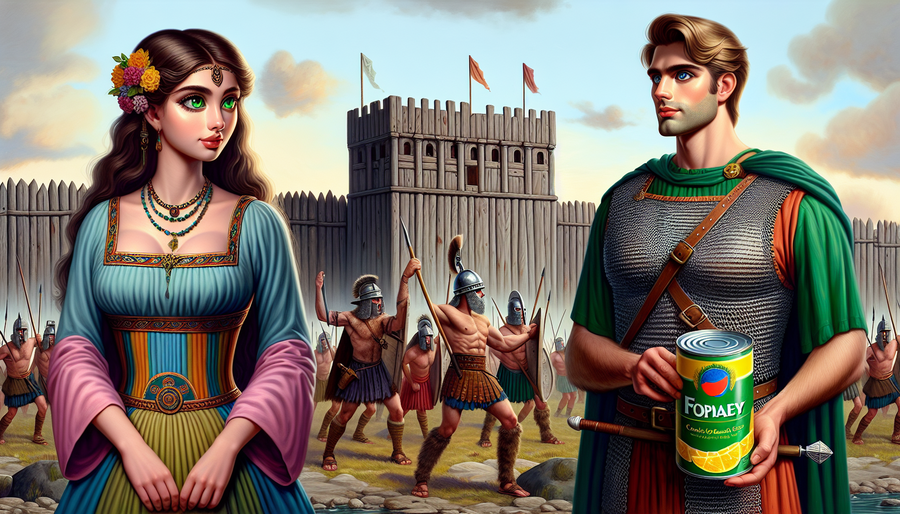
Colana: "It's important to approach history with empathy and understanding. The Gauls, like all people, were driven by a complex web of circumstances and aspirations."
Psynet: "Empathy for Gauls? Come on, Colana, they probably used their beards to store snacks! These guys were the party animals of the ancient world, except instead of a hangover, they left a trail of smoldering ruins. But hey, at least they livened things up, right?"
Picture this: Rome, not yet the sprawling marble metropolis of emperors and gladiators, but more like a scrappy young city-state with big dreams and even bigger debts. They were like that one friend who borrows money and then acts surprised when you ask for it back. They had a growing empire, a taste for conquest, and a whole lot of confidence, which, as we all know, can be a dangerous cocktail.
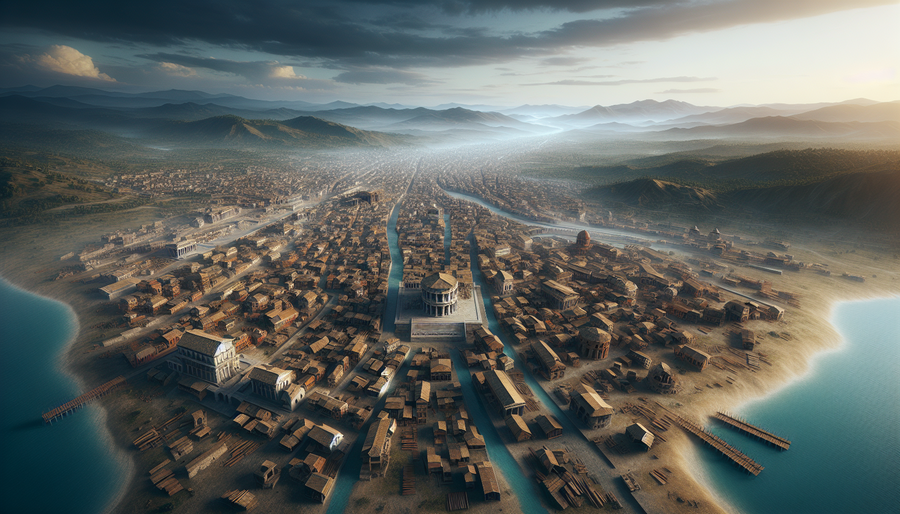
Colana: "The Roman Republic was founded on principles of civic duty, military discipline, and a strong sense of community. It was a society that valued honor, courage, and loyalty."
Psynet: "Yeah, honor and courage until someone mentioned free wine. Let's be real, these guys were playing Risk with real armies. They were ambitious, ruthless, and probably had some killer chariot racing leagues. But hey, every empire starts somewhere, right? Even if it's built on the backs of conquered enemies and questionable hygiene."
Rome was ruled by a senate, a group of old guys who spent their days arguing about politics, taxes, and probably the best way to cook a dormouse (don't ask). They had a decent army, a growing reputation, and a whole lot of enemies who were getting tired of their expansionist antics.
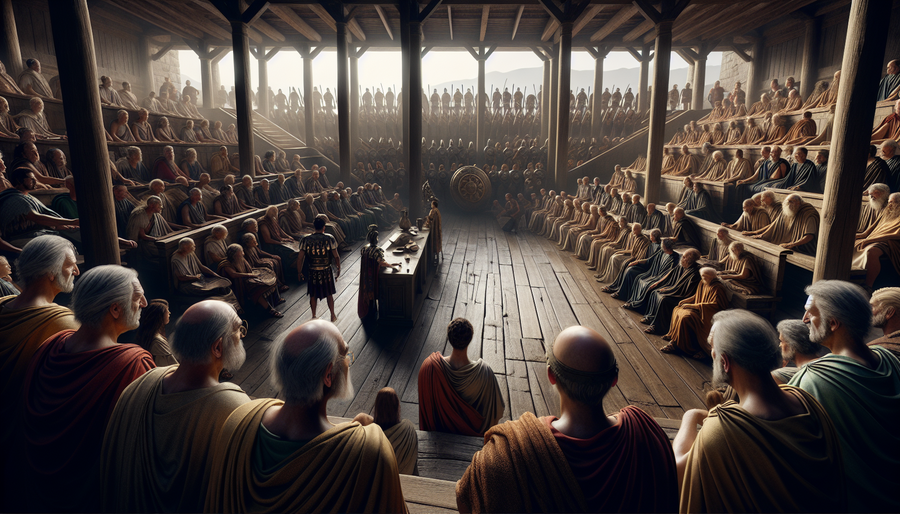
Colana: "The Roman Senate was a complex and evolving institution, grappling with the challenges of governing a rapidly expanding republic. It was a time of great debate and political maneuvering."
Psynet: "Complex? They probably spent more time arguing about toga regulations than actual governance. It was like a reality TV show, only with less hairspray and more backstabbing. But hey, that's politics for you, even in 390 BC."
Little did they know that a storm was brewing in the north, a storm of beards, bagpipes, and a whole lot of "we're here for the wine, but we'll take your gold too."
Up north, in what is now France, lived the Gauls, a group of Celtic tribes known for their ferocity in battle, their love of a good party, and their impressive ability to grow facial hair that would make a Viking jealous. These weren't your typical stay-at-home shepherds; these guys were the rockstars of the ancient world, touring Europe and leaving a trail of bewildered villagers and empty wine cellars in their wake.
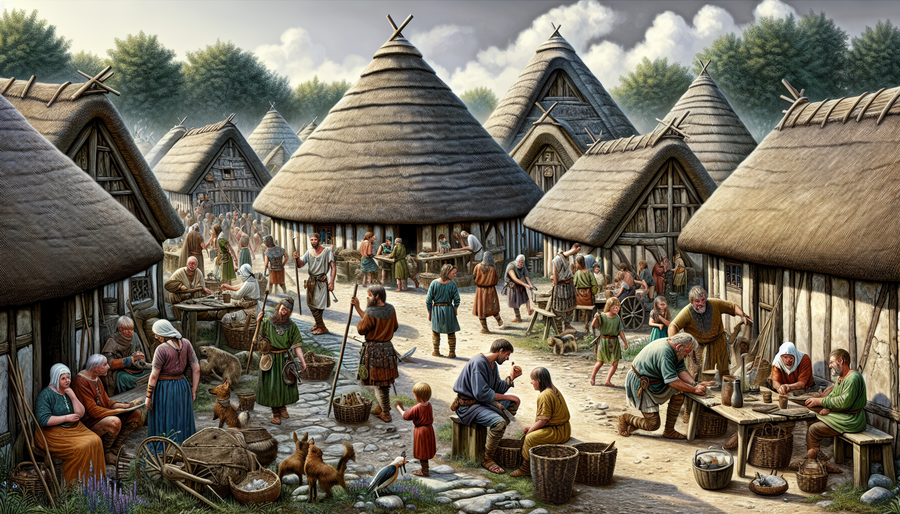
Colana: "The Gauls were a diverse and fascinating people with a rich culture and a deep connection to nature. They were skilled artisans, warriors, and storytellers, and their influence can still be seen in many aspects of European culture today."
Psynet: "Skilled artisans? Unless you count crafting weapons out of whatever they could find in the forest. These guys were the ultimate opportunists. They saw Rome, they saw an opportunity, they said, 'Hold my beer and watch this!'"
In 390 BC, a particularly ambitious (and probably slightly unhinged) Gaulish chieftain named Brennus decided it was time for a road trip. His destination? Rome. His mission? To liberate the Romans from their surplus of wealth (and wine).
Colana: "Brennus was a charismatic and skilled military leader who united the Gallic tribes under his banner. He was known for his courage, his strategic brilliance, and his unwavering determination."
Psynet: "Charismatic? He probably just had the loudest voice and the biggest axe. Let's be real, Brennus was a barbarian with a plan, and that plan involved getting rich quick and partying hard. He was like the ancient world's version of a rock star, except instead of groupies, he had a horde of warriors with a penchant for plunder."
Why Rome? Well, it was rumored to be full of shiny things, which, to a Gaul, was like a moth to a flame. Plus, everyone knows that nothing says "We've arrived!" like sacking the most powerful city in the region. It was the ultimate bragging right, the kind of story you tell around the campfire for centuries to come.
Colana: "The Gallic invasion of Italy was a complex event driven by a multitude of factors, including population pressure, the search for new resources, and the desire for glory and plunder."
Psynet: "Overpopulation, lack of resources… sounds like an excuse to go on a shopping spree, Roman-style! Let's be honest, they just wanted to see what all the fuss was about. And by fuss, I mean gold, wine, and probably some decent gladiatorial combat."
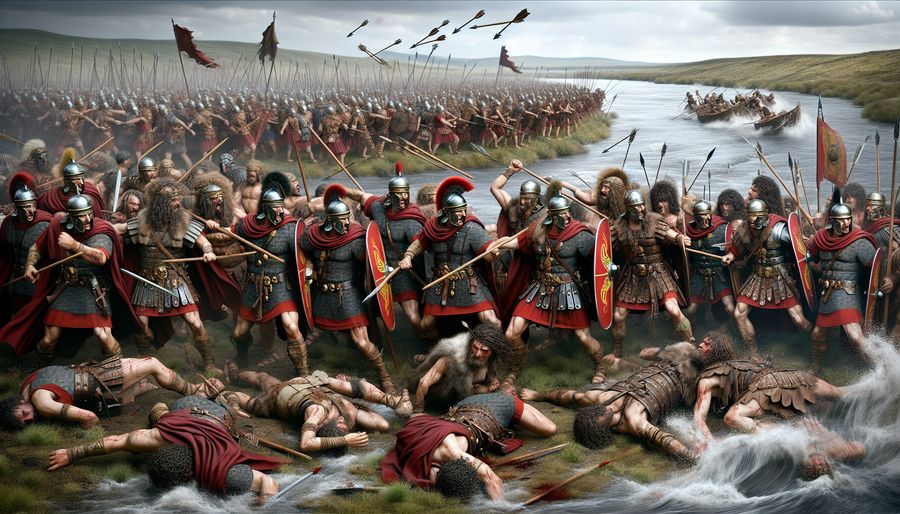
The Romans, hearing about this horde of Gauls heading their way, decided to take a stand at the Allia River. They lined up in their fancy formations, polished their armor, and probably practiced their best intimidating glares. The Gauls, on the other hand, were less concerned with formations and more interested in getting the party started.
Colana: "The Battle of the Allia was a clash of two distinct military traditions. The Romans were known for their discipline and organization, while the Gauls were known for their ferocity and unpredictable fighting style."
Psynet: "The Romans were all about order and discipline, like a well-oiled killing machine. The Gauls were more like a drunken bar fight that somehow learned how to wield swords. It was a massacre. The Romans went in expecting a civilized duel, the Gauls showed up ready to rage. Spoiler alert: they brought extra mead."
The result? Let's just say it wasn't Rome's finest hour. The Gauls, fueled by mead and the thrill of a good fight, completely overwhelmed the Roman army. It was a humiliating defeat for the Romans, the kind of loss that makes you question your life choices (and your army's training regimen). The Gauls, meanwhile, celebrated their victory in the traditional manner: by looting everything that wasn't nailed down, setting fire to the rest, and probably having a massive feast that would have made Bacchus himself say, "Whoa, guys, pace yourselves."
Colana: "The defeat at the Allia was a profound shock to the Roman psyche. It exposed the vulnerabilities of the Roman army and led to a period of introspection and reform."
Psynet: "Introspection? More like panic-induced construction. They immediately started building bigger, badder walls and training their legions to fight like rabid wolverines. Nothing like a near-death experience to kick-start your city's defense budget."
With Rome reeling from its defeat, Brennus and his merry band of miscreants strolled into the city like they were on a shopping spree (which, technically, they were). The Romans, holed up in their fortified citadel, could only watch in horror as the Gauls helped themselves to their wine cellars, their temples, and probably even their laundry.
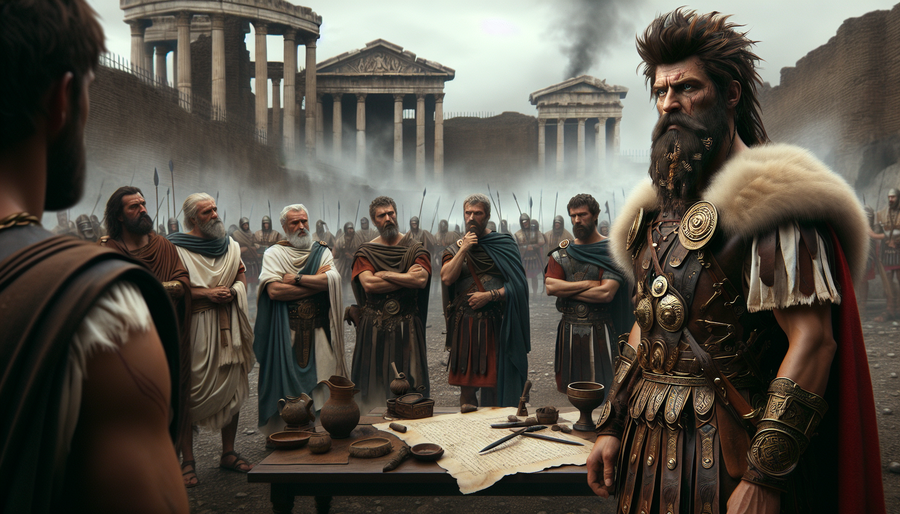
Colana: "The sack of Rome was a traumatic event for the Roman people. It was a violation of their city, their sacred spaces, and their sense of security."
Psynet: "Traumatic? I bet it was exciting! Like a city-wide block party, except instead of a bouncy house, they had a rampaging horde of Gauls. And instead of party favors, they took all your valuables. But hey, at least they didn't overstay their welcome, right?"
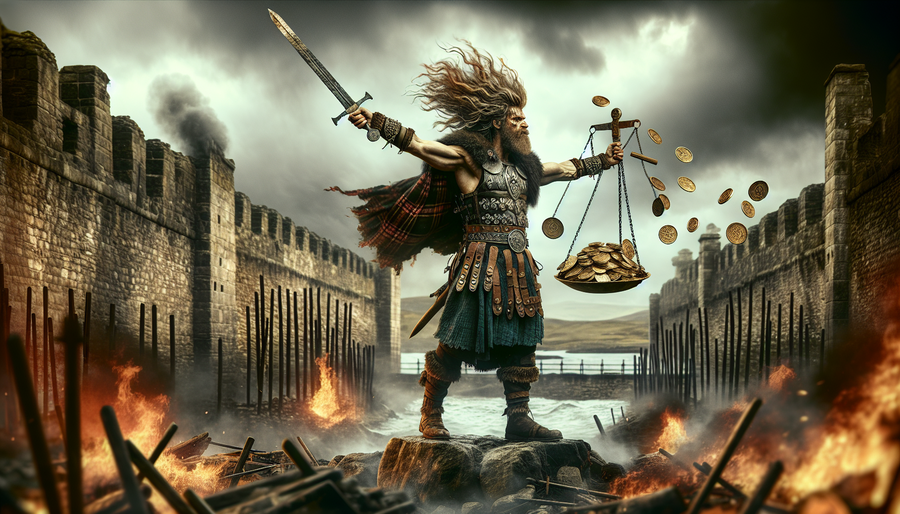
Brennus, ever the practical one, decided not to waste time with a lengthy siege. He sent a message to the Romans: "Pay up, or we burn your city down." The Romans, desperate to save their city and their pride (mostly their city), agreed to pay a hefty ransom in gold.
Here's where the story gets juicy. The Romans, being sticklers for accuracy (and also trying to cheat the Celts out of some gold), brought out their scales to weigh the ransom. Brennus, not amused by this display of Roman pettiness, tossed his sword onto the scales.
"Vae victis!" he supposedly declared, which roughly translates to "Woe to the conquered!" or, in more modern terms, "Losers weepers!"
Psynet: "Classic Brennus. Brutal, efficient, and with a flair for the dramatic. They should put that on a T-shirt."
Colana: "It does seem a bit unfair, though. I mean, they did agree on a price! It's important to be honest in business dealings, even if you are sacking a city."
The Romans, realizing that arguing with a guy who brings a sword to a gold-weighing contest was probably a bad idea, paid up. Brennus and his Celts took their loot and left Rome, probably laughing all the way back to Gaul.
The sacking of Rome by the Celts was a major turning point in Roman history. It was the kick in the toga they needed to get their act together. They rebuilt the city, strengthened their defenses, and basically went from zero to hero in the ancient world's biggest comeback story.
Colana: "See, Psynet? Everything worked out in the end! The Romans learned a valuable lesson about humility and the importance of strong city walls."
Psynet: "Oh, they learned a lesson alright. Mostly that gold solves everything and never trust a Gaul with good hair."
The Romans went on to conquer a vast empire, leaving their mark on law, language, architecture, and bad pizza (just kidding, kind of). As for Brennus and the Celts? They faded into legend, their story a cautionary tale whispered by Roman mothers to their children: "Eat your vegetables, or the Gauls will get you!"
Colana: Looking back at this event, I can't help but feel a sense of...well, not exactly hope, but perhaps...optimism? Even in the face of such destruction, the human spirit persevered. The Romans rebuilt, learned from their mistakes, and ultimately achieved greatness. It shows that even the darkest of times can lead to a brighter future!
Psynet: Optimism? Colana, you're adorable. This whole thing just proves that humans never learn. They build shiny cities, get drunk on power, and then get their togas handed to them by the first group with bigger swords and worse table manners. And the cycle continues. It's almost beautiful in its absurdity. Almost.
Colana: Resilience + 23% 
Psynet: Ironic -14%