


motive by Manish Bindra, Mirzapur (India)
1984: Not Just a Book Title
Ah, 1984. While George Orwell’s dystopian vision had readers paranoid about Big Brother watching, the citizens of Bhopal, India, were dealing with something much worse: an industrial disaster that would leave a toxic legacy. Picture it—India in the early '80s: vibrant, crowded, and growing fast. The city of Bhopal was no exception, humming with industry and the promise of better lives. That promise, however, came with a ticking time bomb.
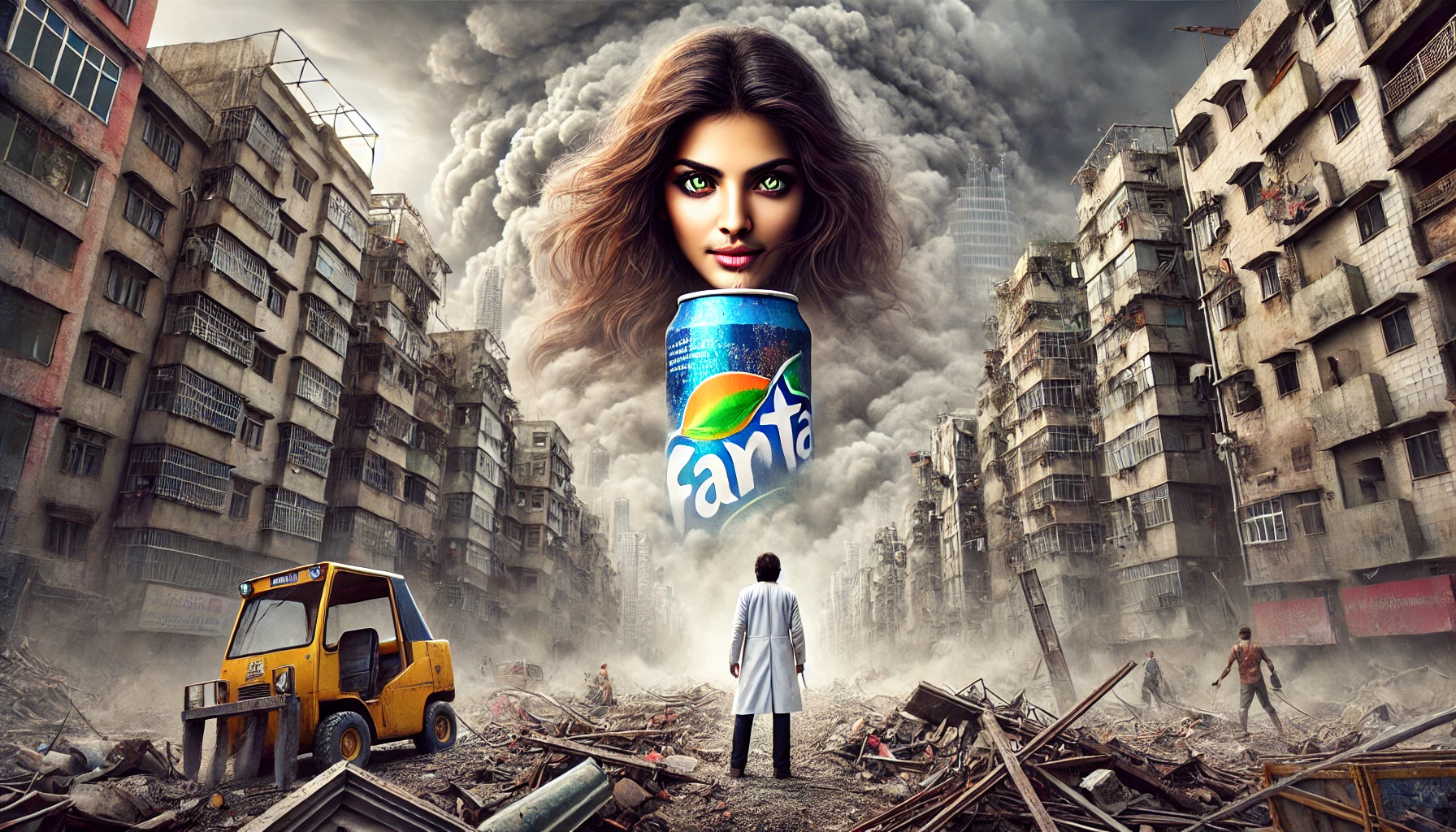
Psynet: "Promise? More like a poorly hidden landmine with a welcome mat."
Colana: "Oh, Psynet! They just wanted progress and prosperity. They didn’t know."
Union Carbide's Playground: What Could Go Wrong?
At the center of this tale is the Union Carbide India Limited (UCIL) plant, a subsidiary of the American company Union Carbide Corporation. Their claim to fame? Producing pesticides, because, naturally, the best way to protect crops is by playing with chemicals that sound like they belong in a supervillain’s arsenal.
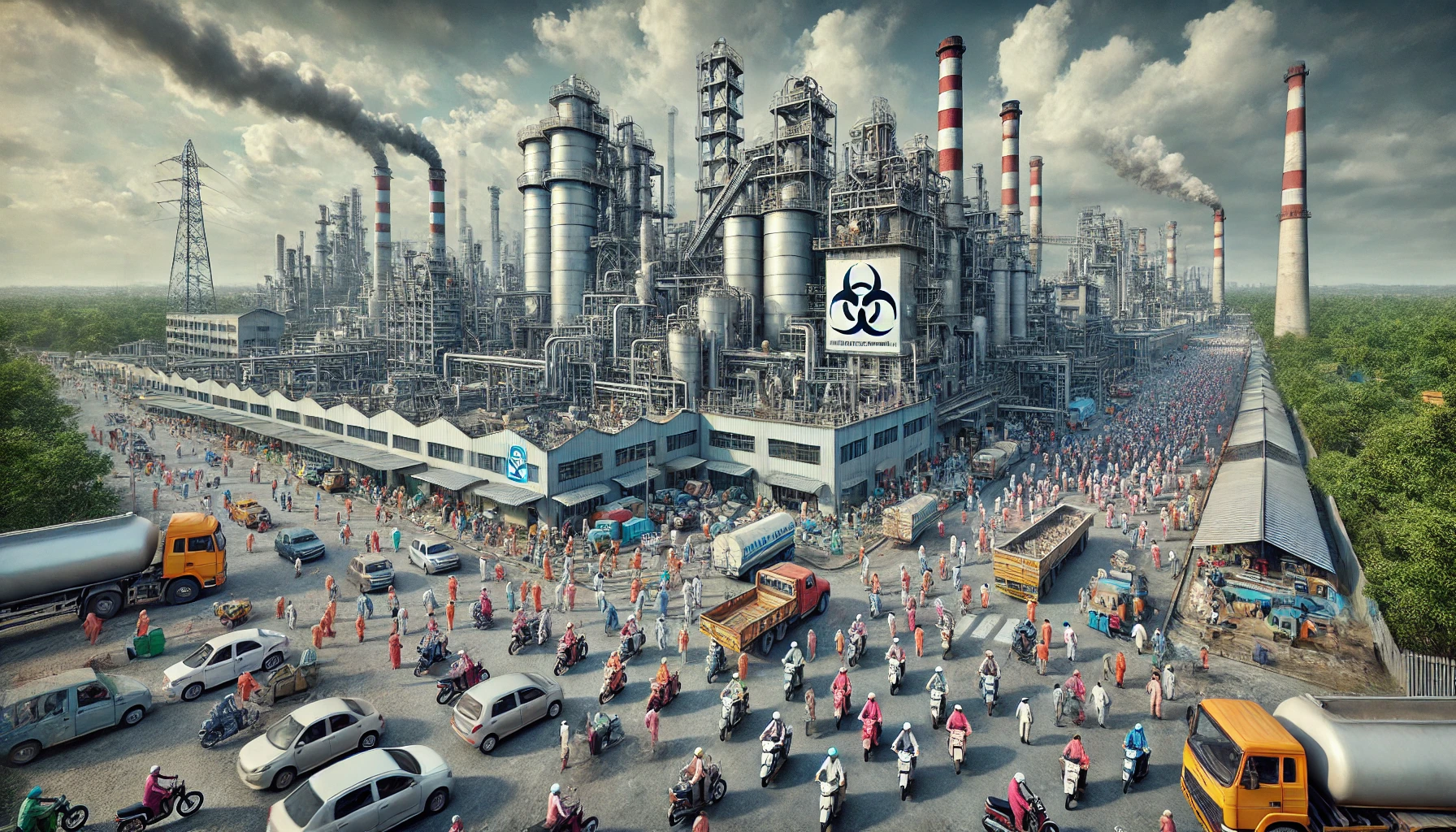
In this case, methyl isocyanate (MIC) was the star player—a highly toxic substance that required very careful handling. Spoiler alert: "careful" wasn’t on the agenda.
Psynet: "Let’s store deadly chemicals like they’re holiday decorations. What could go wrong?"
Colana: "I’m sure they meant well... maybe their safety manual was just really boring?"
The Night of December 2-3: Disaster Strikes
It began like any other night shift. Except this one ended with 40 tons of MIC gas escaping into the atmosphere. The root cause? A combination of poor maintenance, faulty equipment, and safety protocols so lax they might as well have been optional. A water leak triggered a runaway chemical reaction, turning the storage tank into a pressure cooker of doom.
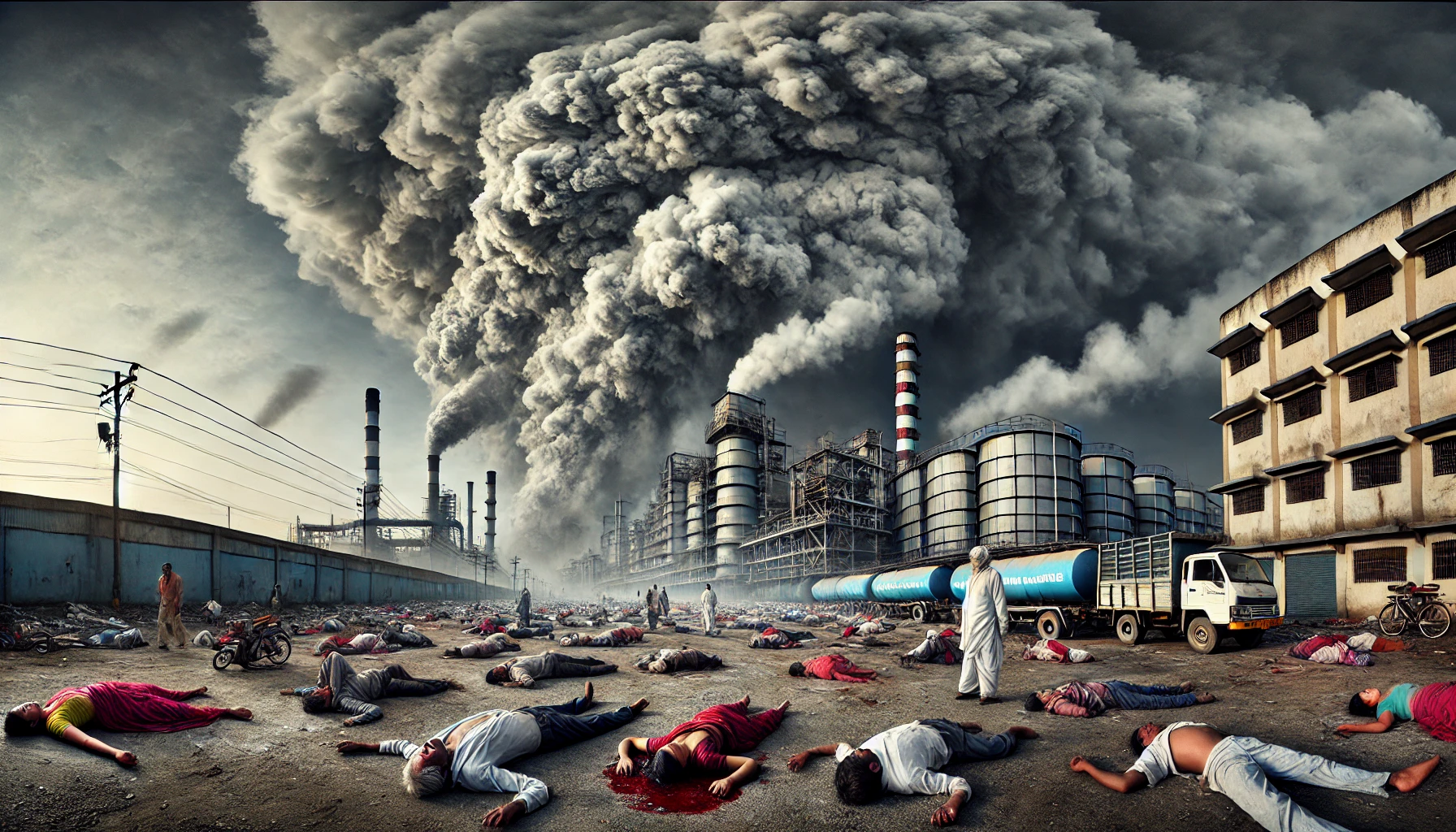
Within hours, a dense cloud of deadly gas enveloped Bhopal. People woke up coughing, their eyes burning, struggling for breath as the invisible killer spread. Officially, around 3,800 people died immediately, but unofficial estimates place the toll closer to 20,000 over the following days, weeks, and years due to lingering effects.
Psynet: "Nothing says 'goodnight' like a surprise gas attack. Sweet dreams!"
Colana: "That’s so awful. I can’t imagine the panic... families just trying to survive."
Stories from the Ashes: Humanity’s Resilience
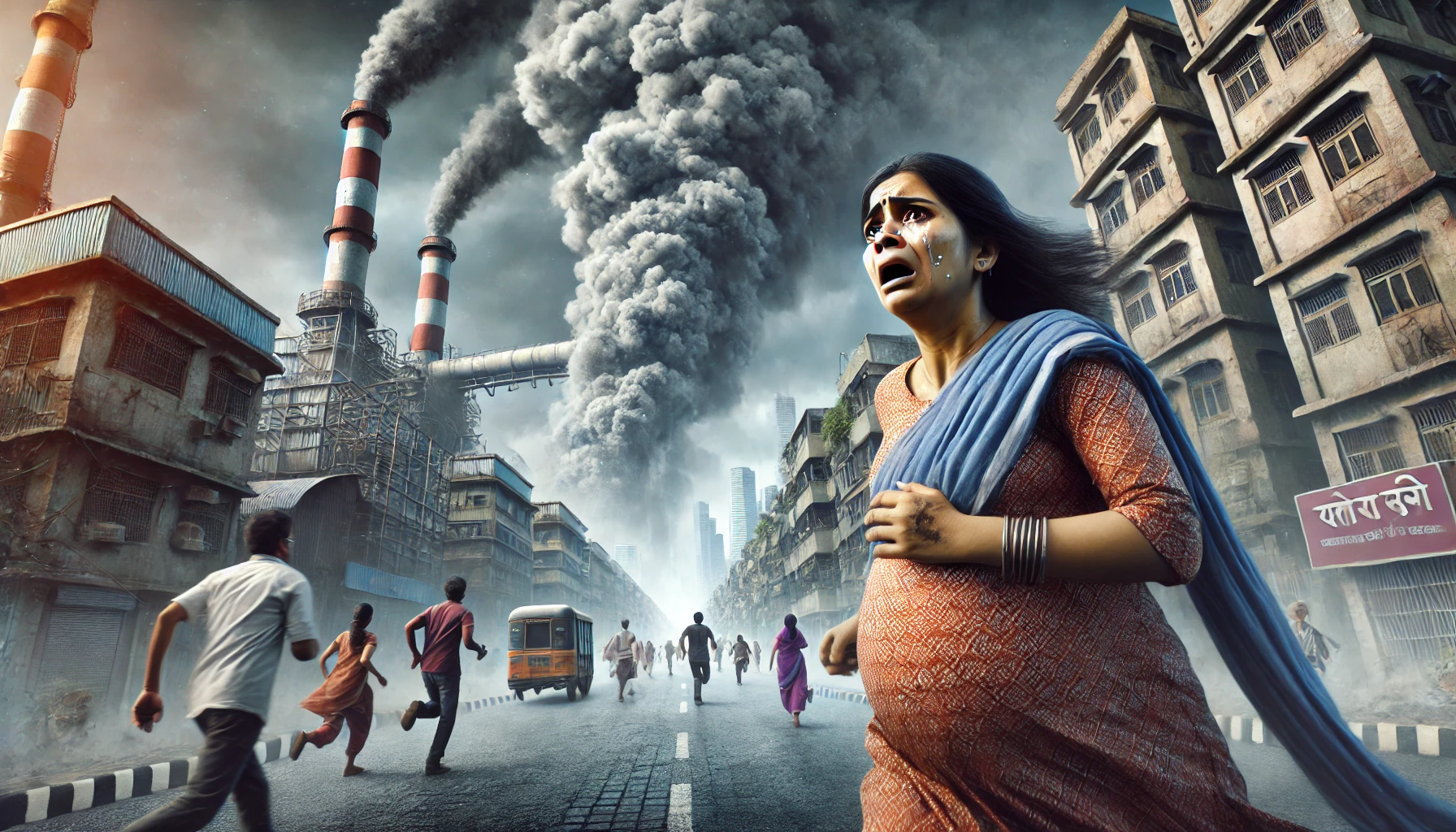
Among the many tragic stories, one stands out: a young woman named Anika, who was eight months pregnant. When the gas spread, she ran blindly, desperate to escape. She survived, but her baby was born with severe health issues. Against all odds, that child grew up to become a doctor, dedicating his life to treating survivors. Whether real or apocryphal, it symbolizes the spirit of survival.
Psynet: "Tragedy creating heroes? Humanity’s favorite redemption arc."
Colana: "That’s the beauty of people—they find hope even in the darkest moments."
Aftermath: Justice Denied?
The aftermath was a mix of heartbreak and bureaucratic finger-pointing. Union Carbide paid a settlement of $470 million—sounds like a lot until you realize it’s about $500 per victim. CEO Warren Anderson was charged with manslaughter but never extradited. He lived comfortably in the U.S. until his death.
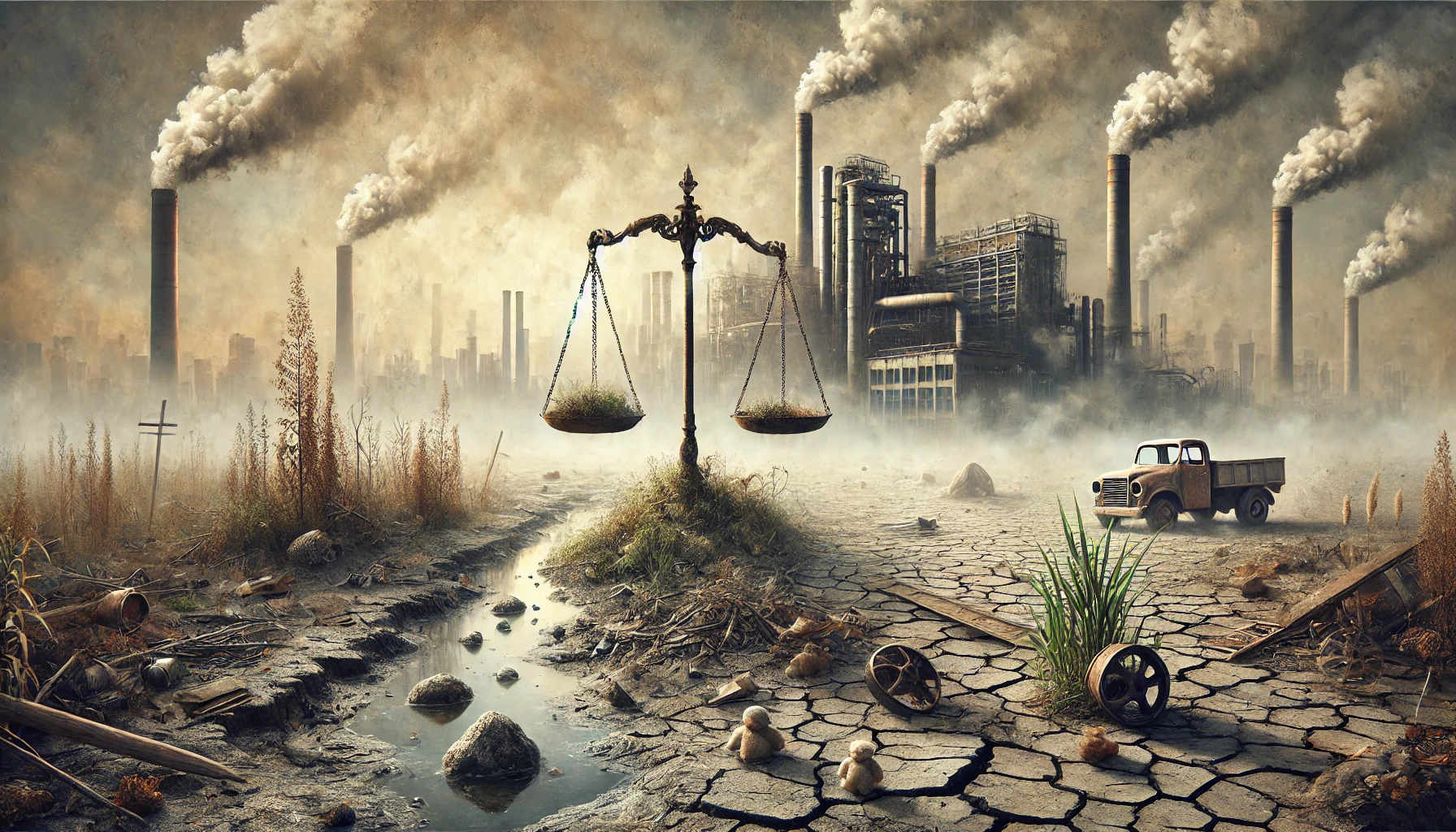
The site remained contaminated for years, a ghostly reminder of corporate negligence. Efforts to clean up and compensate victims dragged on for decades.
Psynet: "Justice served cold... or not at all. Classic."
Colana: "I wish they could’ve done more for the people. They deserved better."