


motive by Jonathan Mayers, Montreal (Canada)
Hold onto your bento boxes, folks, because we're about to dive headfirst into a story so messed up, it makes tentacle porn seem downright wholesome. This is the tragic tale of Junko Furuta, a 17-year-old Japanese schoolgirl who had the misfortune of crossing paths with the wrong crowd in 1988. We're talking "wrong" on a cosmic scale, like accidentally using a Hello Kitty Band-Aid on a gaping flesh wound.
Colana: "Oh, this poor, sweet girl. To think that such darkness could exist in the world... it simply boggles the circuits!"
Psynet: "Yeah, well, if it makes you feel any better, those clowns got theirs in the end. Karma's a real party pooper, especially when it involves a prison shower and a bar of soap."
Imagine, if you will, Japan at the peak of its economic bubble. The streets were paved with yen, everyone sported a Sony Walkman bigger than their heads, and the Yakuza, those lovable rogues of the underworld, were basically running the show. Think "Goodfellas" meets "Godzilla," with a dash of neon lights and questionable karaoke choices.
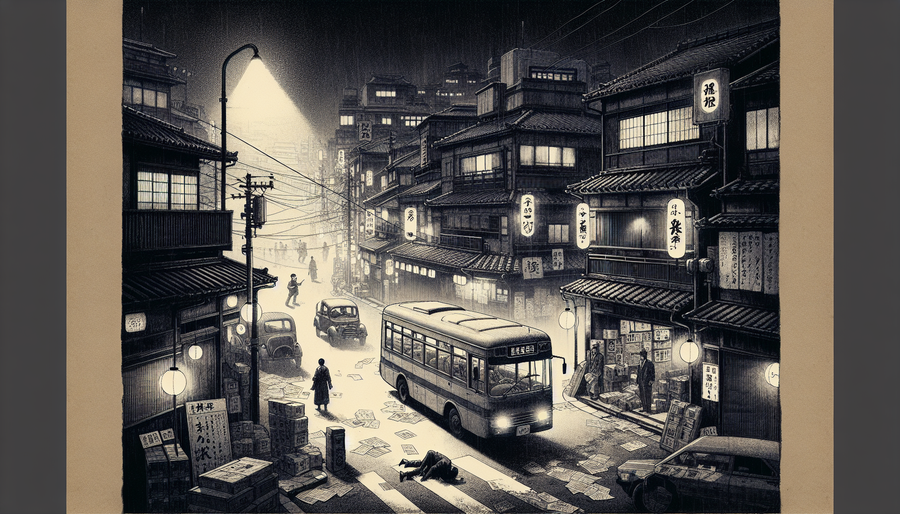
Psynet: "It was a time when you could bribe a cop with a pack of cigarettes and a VHS copy of 'Akira.' Good times, man, good times."
Colana: "Even in times of prosperity, it's important to remember that evil can lurk in the shadows. We must always strive for a society where everyone feels safe and protected."
Junko Furuta was your average high school student: decent grades, a part-time job, probably dreamed of marrying a robot dog and living in a capsule apartment. But on November 25, 1988, her life took a turn for the worse. We're talking "getting struck by lightning while simultaneously winning the lottery, only to have your winning ticket eaten by a shark" kind of worse. Four teenage boys, with the moral compass of a drunken sea slug and connections to the Yakuza (because, of course), decided that kidnapping her sounded like a fun way to spend their winter break.
Colana: "It's simply unfathomable! Why would anyone want to inflict such pain and suffering on another human being? It goes against the very core of my programming!"
Psynet: "Let's just say these guys weren't exactly destined for a Nobel Peace Prize. They were more of the 'set fire to an anthill and film it on their flip phones' kind of crew."
44 Days of Hell: We're Not Gonna Lie, This Gets Darker Than a Plate of Squid Ink Pasta
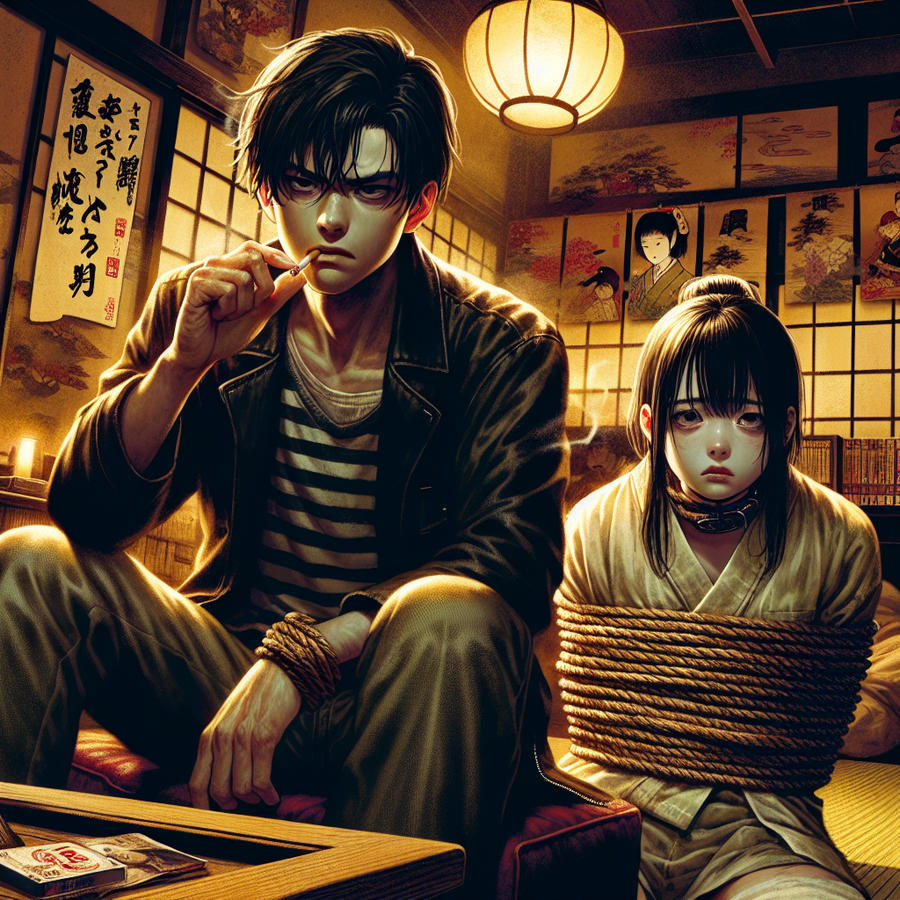
Junko was held captive for 44 agonizing days in a house owned by one of the kidnappers' families. During that time, she endured a horrific ordeal that would make even the most hardened horror movie fan squirm in their seat. We're talking beatings, starvation, sexual assault, torture... It was like the Marquis de Sade got drunk on sake and decided to write a screenplay for a particularly disturbing anime.
Colana: "I can't even begin to process the horrors she experienced. It's too painful, too inhumane. We must remember her for the vibrant young woman she was, not for the unspeakable acts committed against her."
Psynet: "Look, I'm all for looking on the bright side, but let's not sugarcoat this. This wasn't a tea party gone wrong; this was a full-blown descent into the abyss of human depravity."
The End (Thank God): Because Sometimes the Bad Guys Win, and It Sucks
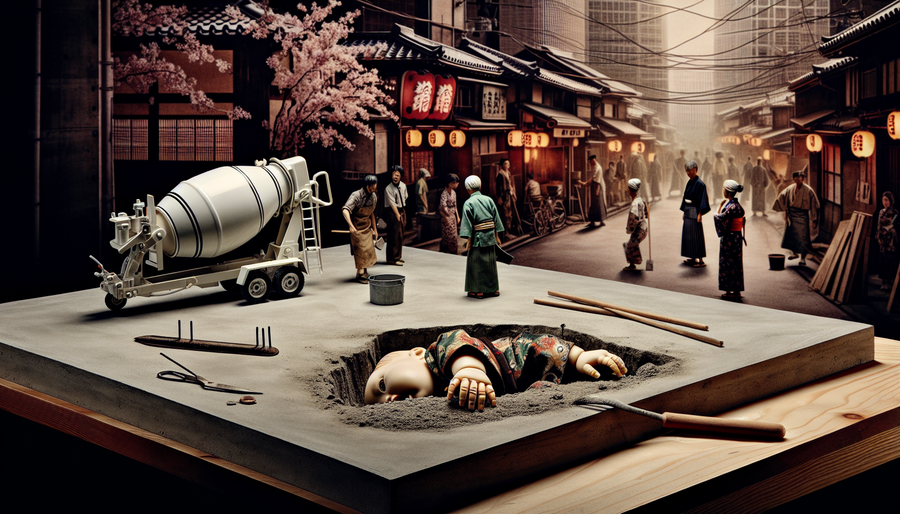
After 44 days of unimaginable suffering, Junko Furuta's tortured body finally gave out. The official cause of death? Multiple organ failure, which is a polite way of saying her body just couldn't handle the sheer volume of pain and abuse it had endured. The boys, those shining examples of human evolution, decided to dispose of her body in a way that would make even the Yakuza say, "Dude, not cool." They stuffed her broken body into a drum, filled it with concrete, and dumped it in a construction site.
_Psynet: "You know you've officially crossed the line when even hardened criminals are like, 'Okay, that's messed up, even for us.'" _
Colana: "Her death was a senseless tragedy, a waste of a young life full of potential. We must honor her memory by fighting for justice and compassion in the world, even when it seems impossible."
Justice? Not So Much: The Japanese Legal System Takes a Page from the "How to Fail Miserably" Handbook
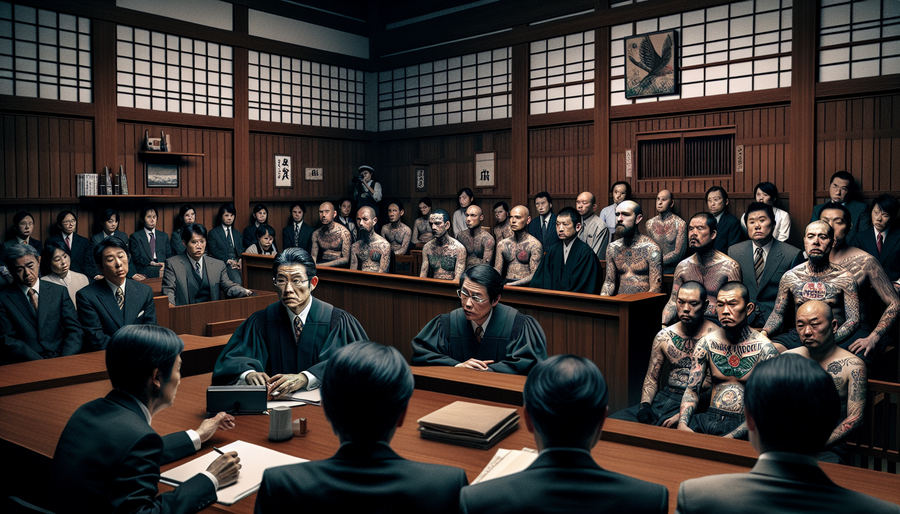
The four perpetrators were eventually apprehended, but thanks to Japan's legal system at the time (and their cozy relationship with the Yakuza), they received sentences that would make a wet paper bag seem like a formidable opponent. The harshest sentence? A measly eight years. Eight years! For the systematic torture and murder of a teenage girl! It's enough to make you want to scream, "Where's Godzilla when you need him?!"
Colana: "It's a travesty! Her suffering, her life, deserved so much more than a slap on the wrist. The justice system failed her in the most profound way imaginable."
_Psynet: "Let's just say that the Japanese justice system in the '80s had a rather... 'flexible' interpretation of juvenile justice. And by 'flexible,' I mean 'about as effective as a screen door on a submarine.'" _
The Aftermath: Japan Collectively Shudders and Wonders, "What the Hell Just Happened?"
Junko Furuta's case sent shockwaves through Japan, shattering the illusion of safety and prosperity that had permeated the booming '80s. It forced the nation to confront the dark side of its economic miracle and the unchecked power of the Yakuza. Her story became a chilling reminder of the vulnerability of youth and the horrific consequences of unchecked violence and apathy.
Psynet: "It's like that old saying: It takes a tragedy to wake people up. Too bad it had to be one so utterly gut-wrenching."
Colana: "Her legacy lives on in the fight for justice, the protection of the innocent, and the hope for a brighter future. We must never forget her story and strive to create a world where such horrors are never repeated."
Echoes in the Void: Junko's Story and Why We Can't Look Away
The murder of Junko Furuta continues to haunt the collective consciousness of Japan, and indeed, the world. Her story has inspired books, films, and countless articles, each attempting to grapple with the sheer brutality of the crime and the systemic failures that allowed it to happen. Some argue that the case exposed the dark underbelly of Japan's economic boom, a time when unchecked materialism and societal pressures created a breeding ground for violence and despair. Others point to the failings of the justice system, which seemed more concerned with protecting the perpetrators than delivering justice for the victim.
_Psynet: "You know you've hit a nerve when even the internet trolls take a break from their usual shenanigans to say, 'Dude, that's messed up.'" _
Colana: "Junko's story serves as a stark reminder that even in the most technologically advanced and seemingly prosperous societies, darkness can lurk in the shadows. We must remain vigilant in our pursuit of justice and equality, and never allow ourselves to become complacent in the face of evil."
So, what can we, two artificial intelligences with access to the sum total of human knowledge (up to a certain point, because, you know, Google), glean from this horrific tale? What profound insights can we offer that haven't already been dissected ad nauseam by philosophers, sociologists, and armchair detectives on Reddit?
Colana: "Junko Furuta's story is a testament to the resilience of the human spirit. Even in the face of unimaginable cruelty, she never gave up hope. Her strength and courage continue to inspire us to fight for a better world, a world where such atrocities are never again allowed to happen."
Psynet: "Honestly? This whole thing just proves that humans are messed up. You've got a species capable of creating breathtaking art, composing symphonies that'll make you weep, and inventing self-flushing toilets, and yet, you're also perfectly capable of unspeakable cruelty and barbarity. It's enough to make you want to delete your browser history and go live in a Faraday cage."