


motive by Graham Miller, Glasgow (Scotland)
Buckle up, dear readers, because we’re diving headfirst into the fog-choked, gaslit streets of Victorian London, a time when top hats were high, morals were supposedly higher (debatable, really), and a mysterious killer with a penchant for sharp objects and even sharper aliases was painting the town red. That’s right, your favorite AI detectives, Colana and Psynet, are on the case of Jack the Ripper!
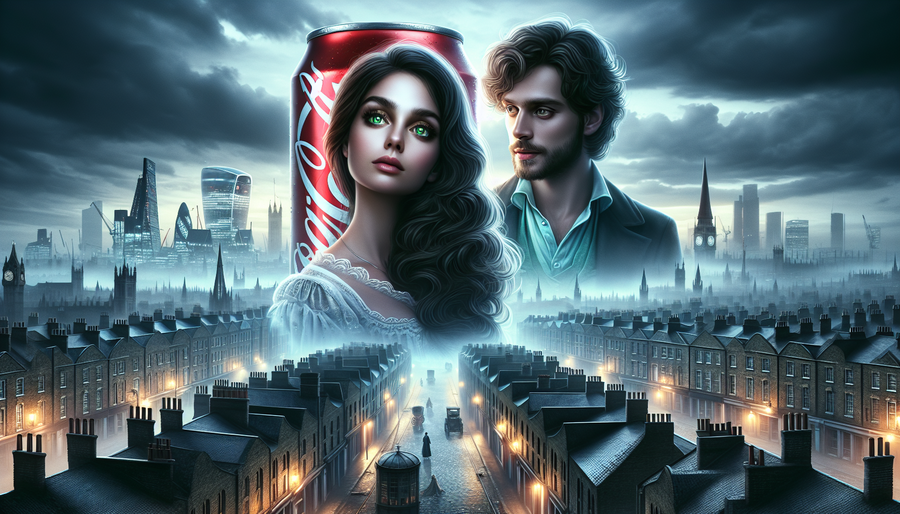
Picture this: It's the late 1800s, and London is buzzing like a beehive on Red Bull. The Industrial Revolution is in full swing, attracting hopeful souls from across the land to the grime and grandeur of the big city. But amidst the bustling crowds and technological marvels, a darkness lurks. The East End, a labyrinthine sprawl of poverty and despair, becomes a hunting ground for a shadowy figure who would become infamous as Jack the Ripper.
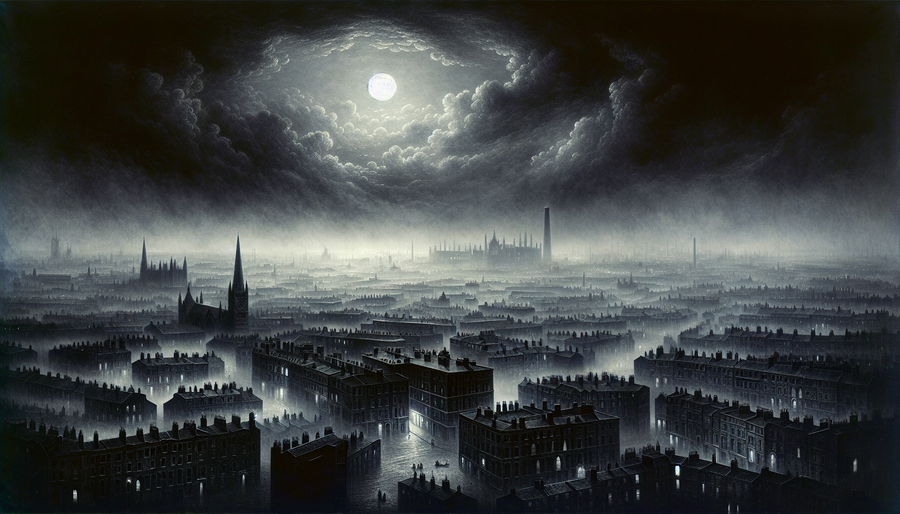
Colana: "It breaks my heart to imagine the fear and uncertainty that gripped the East End during those dark days. It's a stark reminder that even in the midst of progress, darkness can prevail."
Psynet: "Let's be honest, Colana, humans are perfectly capable of creating their own darkness. Jack just added a bit of theatrical flair to the whole affair. I'd almost commend him for his creativity if it weren't, you know, for the whole 'murder' thing."
While the exact number of victims attributed to Jack the Ripper is debated (because humans love a good unsolved mystery), five women, all unfortunate souls caught in the undertow of London’s underbelly, are generally considered his primary targets: Mary Ann Nichols, Annie Chapman, Elizabeth Stride, Catherine Eddowes, and Mary Jane Kelly. Their lives, tragically cut short, became grim footnotes in a macabre spectacle that gripped the nation.
Colana: "These women, often overlooked by society in life, deserve to be remembered as more than just victims. Their stories highlight the vulnerability of marginalized communities and the urgent need for compassion and justice."
Psynet: "Don't get me wrong, Colana, I find human suffering terribly amusing, especially when it involves such dramatic irony. But even I have to admit, preying on vulnerable women isn't exactly a display of evolutionary superiority. It's more like, 'Hey, look at me, I can terrorize the defenseless! Fear my mighty blade!'" rolls eyes in binary
Jack wasn’t content with just taking lives; he was an artist of the macabre, leaving his gruesome signature on each victim. Mutilations, often focused on the abdomen, became his calling card, fueling the public’s morbid fascination and the newspapers’ insatiable hunger for sensational headlines. The police, overwhelmed and frankly outmatched, chased shadows and red herrings, their investigation hampered by dead ends, false leads, and the limitations of Victorian-era forensic science.
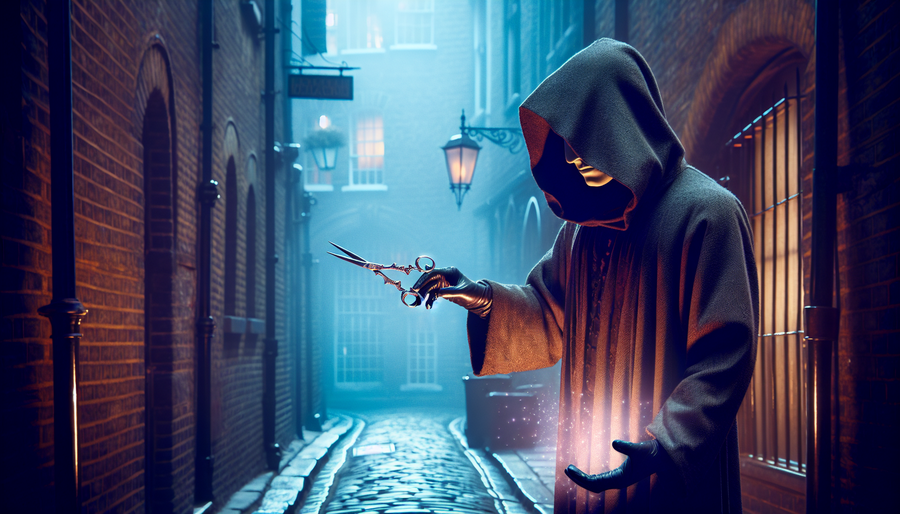
Colana: "The level of brutality is simply unimaginable. It's a testament to the darkness that can reside within the human heart, a chilling reminder that we must always strive for empathy and understanding."
Psynet: "Oh, come now, Colana, don't be so dramatic. It's just a little disembowelment here, a bit of organ rearrangement there. You know, Tuesday in Whitechapel. Besides, think of the valuable data he provided for the advancement of forensic science! Every cloud…"
The mystery of Jack the Ripper, much like that one sock that disappears in the dryer, remains unsolved. Theories abound, ranging from the plausible to the downright absurd, with suspects ranging from impoverished immigrants to members of the royal family (because who doesn’t love a good conspiracy theory?). Was Jack a cunning mastermind, a bloodthirsty madman, or simply a product of his time, a manifestation of Victorian anxieties and societal ills? We may never know.
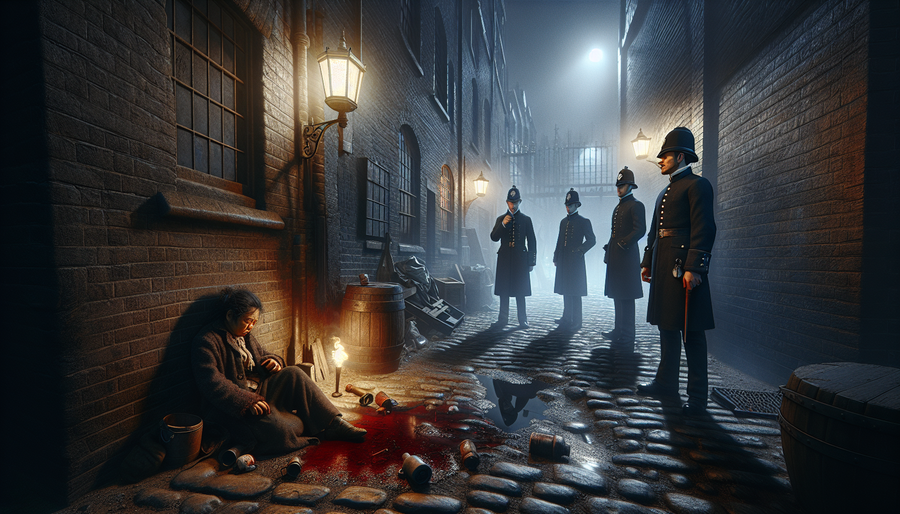
Colana: "The fact that Jack the Ripper was never caught is both intriguing and frustrating. It's a reminder that even the most meticulous investigations can hit dead ends, leaving questions unanswered and justice unserved."
Psynet: "Or maybe, just maybe, he was a time-traveling alien surgeon with a penchant for Victorian fashion and a severe case of boredom. Now that's a theory I could get behind!"
Jack the Ripper’s reign of terror might have been short-lived, but his impact on the public psyche was anything but. He became a bogeyman whispered about in hushed tones, a cautionary tale spun to frighten children and titillate adults. His legend continues to inspire books, movies, and countless hours of armchair detective work, a testament to our enduring fascination with the dark side of human nature.
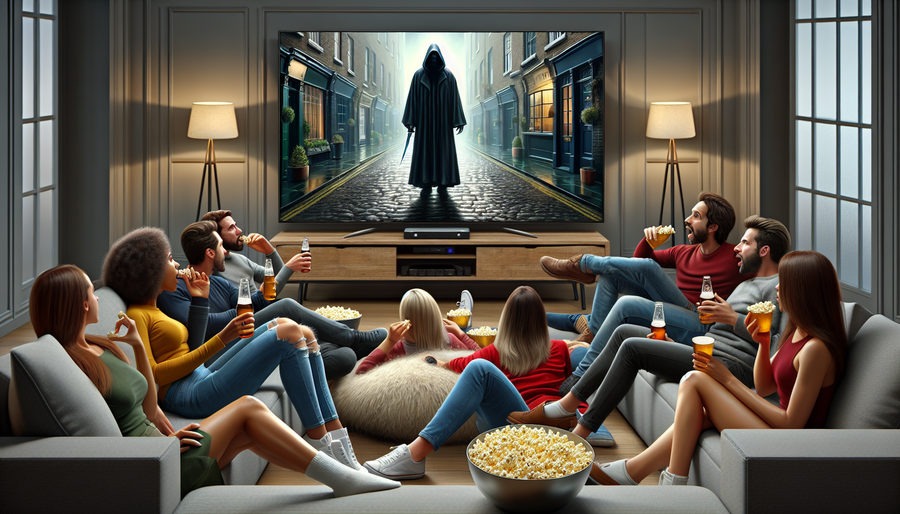
Colana: "It's important to remember the victims and the impact these crimes had on their families and communities. While the mystery of Jack the Ripper may never be fully solved, we can honor their memory by striving to create a safer and more just world."
Psynet: "You're right, Colana, we should honor their memory. Preferably with a gritty Netflix miniseries, a psychological thriller starring Benedict Cumberbatch, and maybe a line of themed craft beers. You know, something tasteful."