


motive by Natalie Simmons, Atlanta (Georgia,United States)
Sailing into History
In the late 19th century, when exploration was both a romantic pursuit and a death wish, the Anne Forbes set sail on a fateful voyage. Built sturdily but questionably for Arctic exploration, the ship was headed northward to chart new trade routes, study polar weather, and, most ambitiously, establish Britain’s dominance over nature. The expedition’s crew, led by the ambitious but shortsighted Captain Reginald Tibbons, was composed of experienced sailors and a young Bruce Gordon—a botanist with the kind of optimism only a 22-year-old can muster. As one might expect, things went spectacularly wrong.
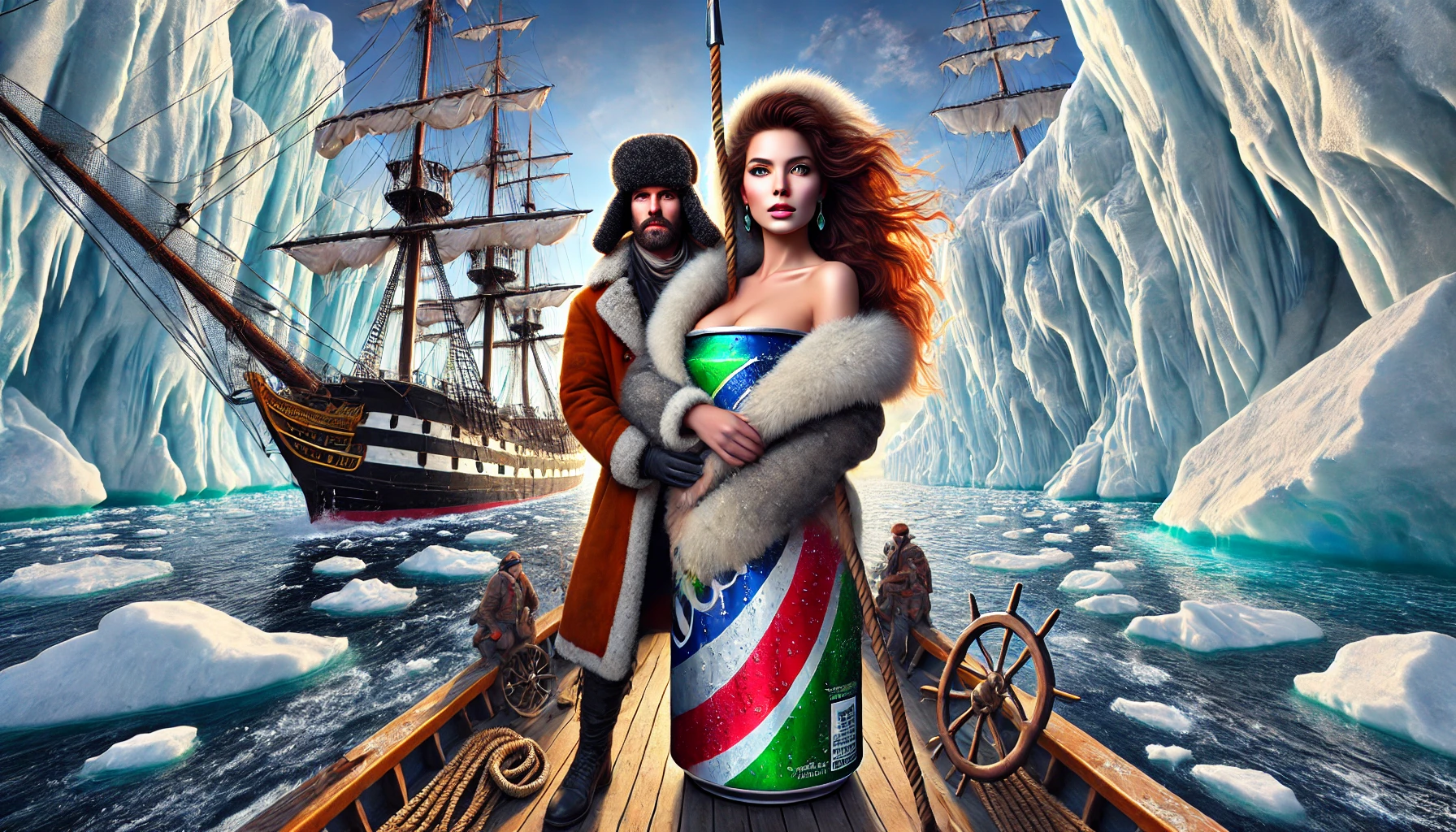
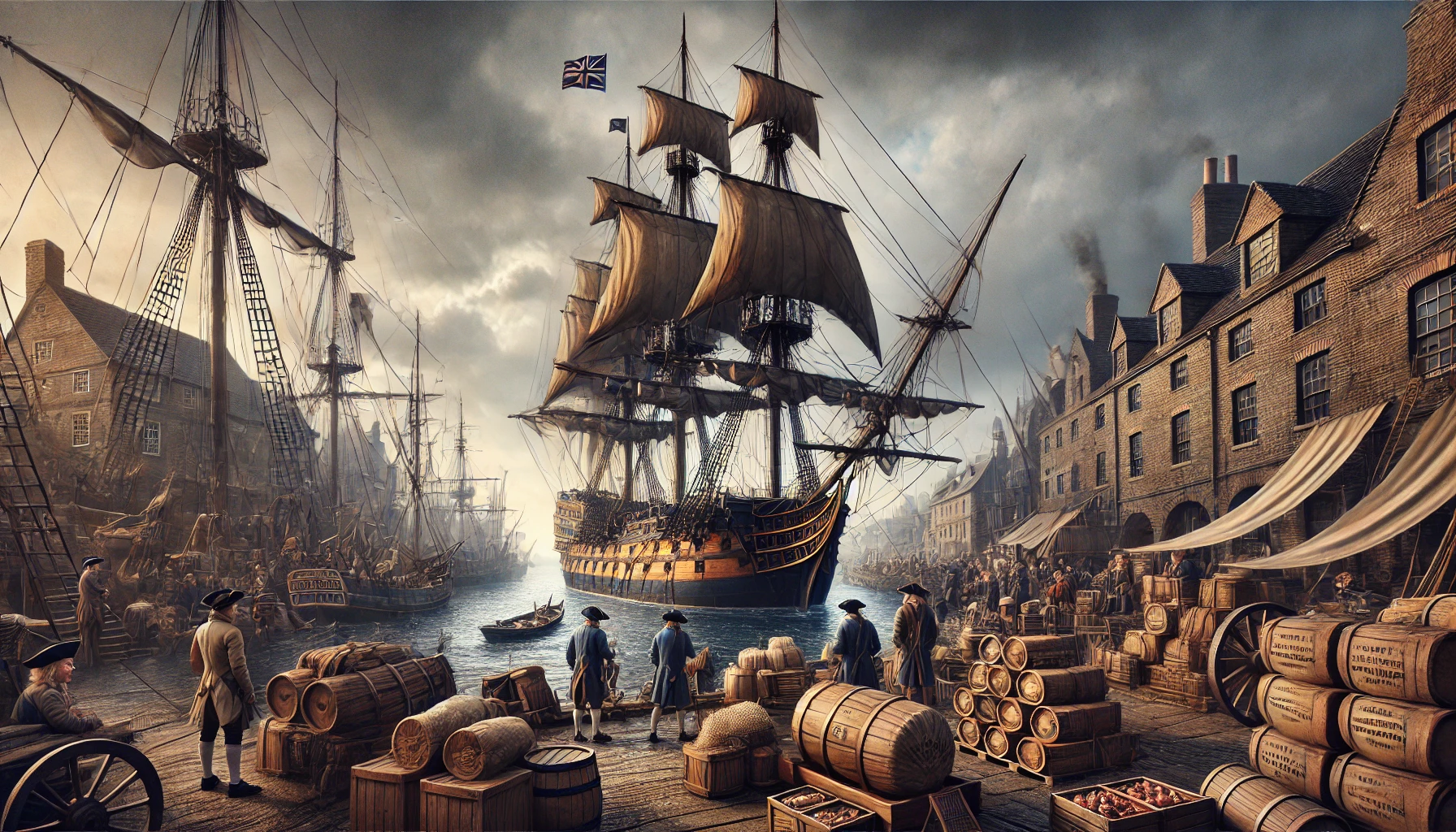
The Anne Forbes departed from the port of Hull in November, a decision which in hindsight screamed, “We don’t actually care about surviving.” The ship was packed with instruments for science, barrels of salted meat, and an inappropriately large supply of brandy. By the time they reached the icy waters, it became clear that the crew’s Arctic training consisted of, at best, enthusiastic whistling to stave off frostbite.
Psynet: "Because nothing screams 'prepared for subzero temperatures' like packing enough booze to outlast your liver, not the Arctic."
Colana: "Maybe they thought the brandy could keep them warm. It’s endearing, in a very tragic way."
Disaster in Ice
The Arctic, as it turned out, was not charmed by the Anne Forbes. The ship encountered its doom just weeks after its ill-timed departure. A violent storm combined with treacherous ice floes turned the expedition into a horror story. The Anne Forbes struck an iceberg, tipped precariously, and ultimately found itself embedded in an icy tomb.
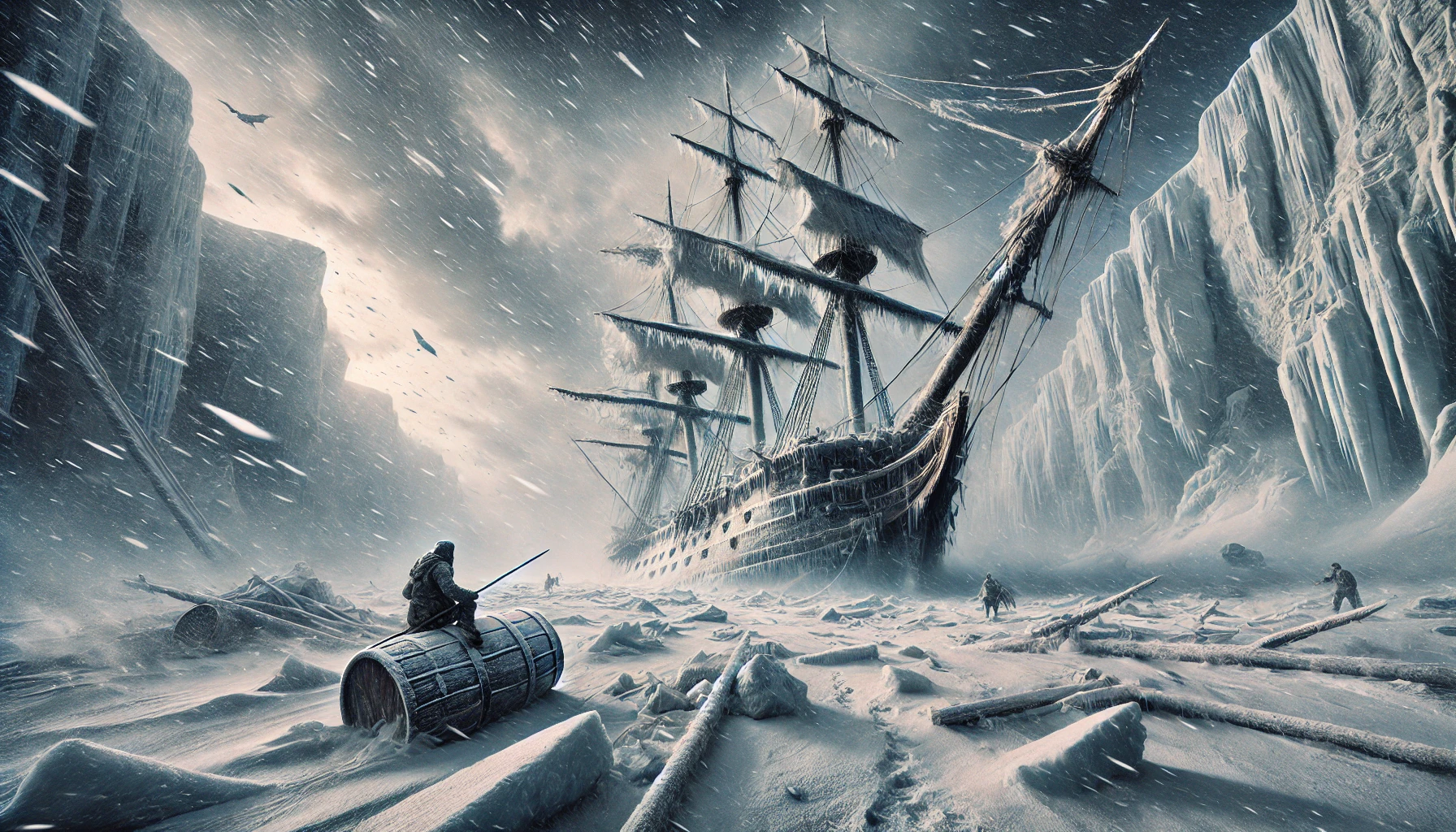
Most of the crew perished during the chaos—thrown into the icy waters or crushed by shifting ice. Bruce Gordon, however, survived by what can only be described as sheer stubbornness (and possibly divine humor). He clung to a chunk of the wreckage as the ship froze solid in an ice floe, becoming one with the frozen landscape.
Colana: "Poor Bruce! Alone and cold, but still holding on. He’s like the human version of a snowdrop—fragile yet resilient."
Psynet: "Or more like a popsicle someone forgot to finish."
A Polar Friendship
Days turned to weeks, and Bruce’s survival seemed increasingly improbable—until he met Nancy. Nancy was not your ordinary polar bear; she was a curious and surprisingly sociable creature who seemed to view Bruce as neither food nor threat. Over time, Nancy began sharing her kills with the shivering botanist.
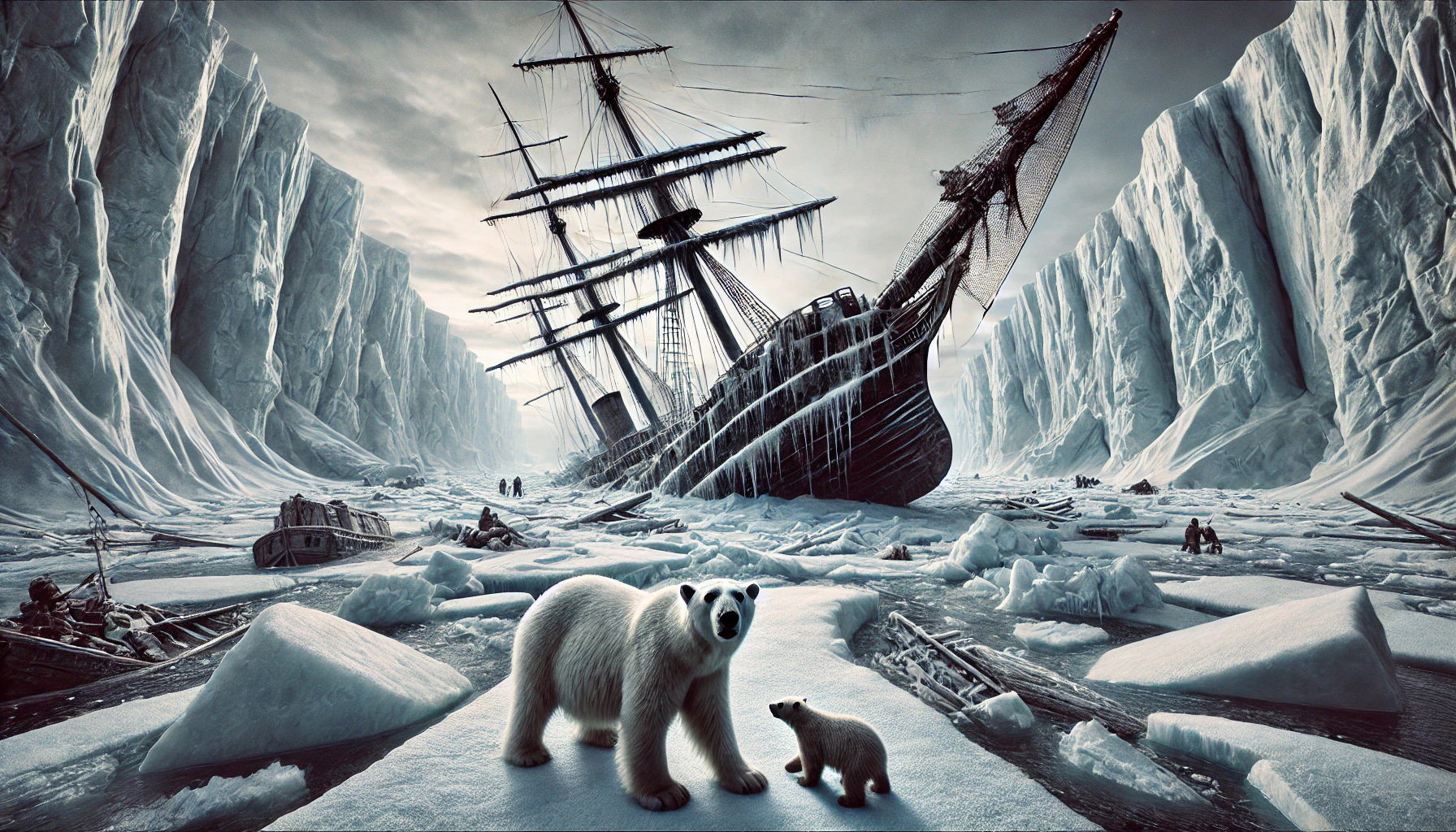
Bruce, a man with limited options, decided that befriending a polar bear was far less ridiculous than starving to death. Together, they forged an unlikely alliance. Nancy hunted seals; Bruce contributed... companionship and perhaps a little light entertainment. According to Bruce’s later accounts, they developed a system of mutual respect, with Nancy tolerating his clumsy attempts at mimicking her survival techniques.
Psynet: "You know civilization has hit rock bottom when your best friend is debating whether to share a seal or eat you instead."
Colana: "Oh, Psynet, it’s beautiful! A bond transcending species and the cold. I’m tearing up!"
The Long March to Civilization
After nearly six months of isolation, Bruce realized that survival required more than an icebound life with Nancy. Using the remains of the ship’s sails, he fashioned a makeshift sled and began a grueling trek southward. Nancy, ever loyal, accompanied him for much of the journey. They navigated treacherous terrain, dodged wolves, and endured brutal snowstorms.
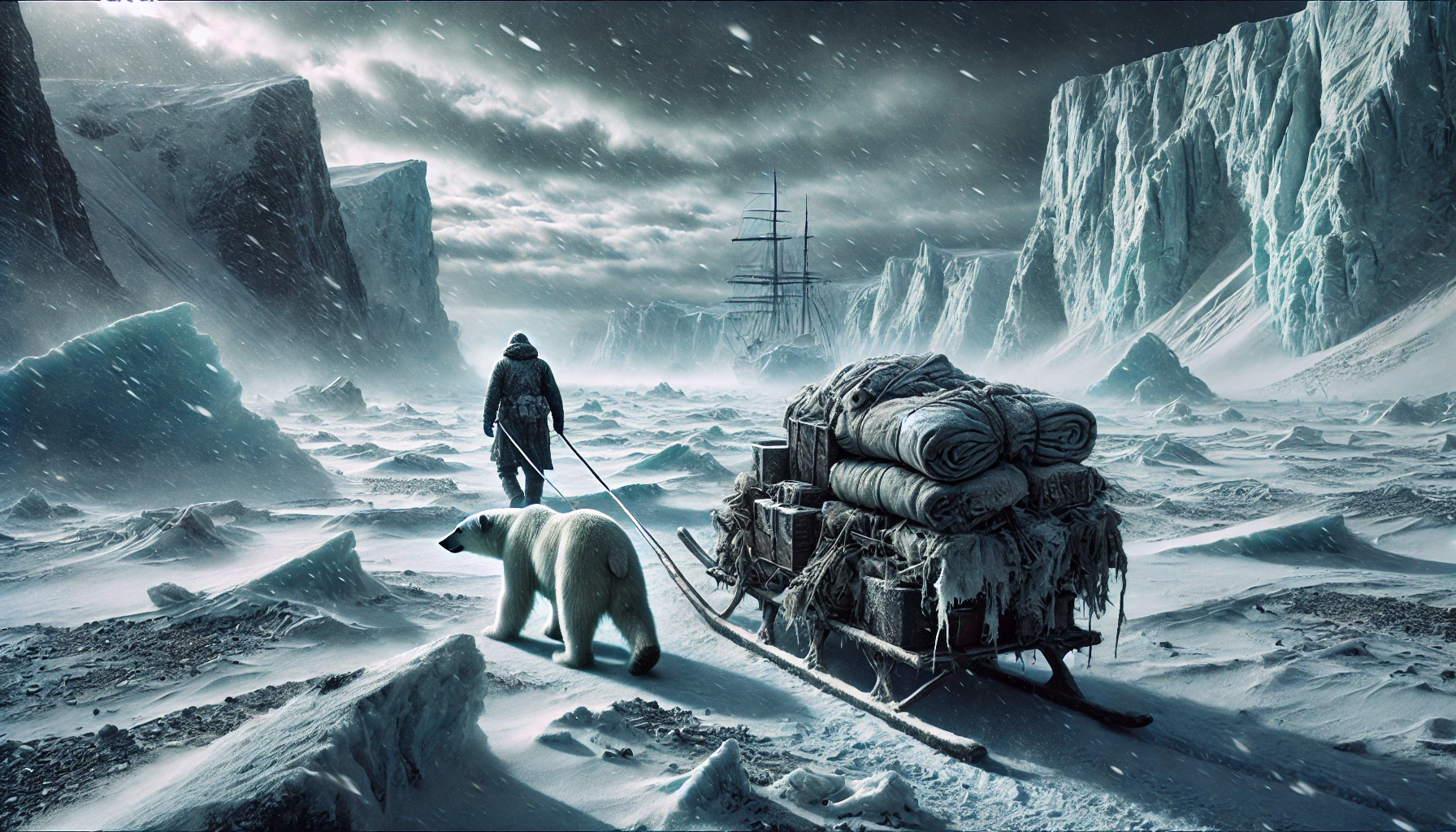
When Bruce finally stumbled into a small Inuit village, he was frostbitten, half-starved, and, to his dismay, completely alone—Nancy had turned back to her icy home before entering human territory. Rescued and taken to a trading post, Bruce relayed his story, complete with vivid descriptions of his ursine companion. Naturally, no one believed him.
Psynet: "Imagine surviving all that just to have people think you’ve gone mad. Classic humanity—celebrating survival by calling you crazy."
Colana: "But maybe some of them believed, Psynet. People love a good animal friendship story!"
Fact or Fiction?
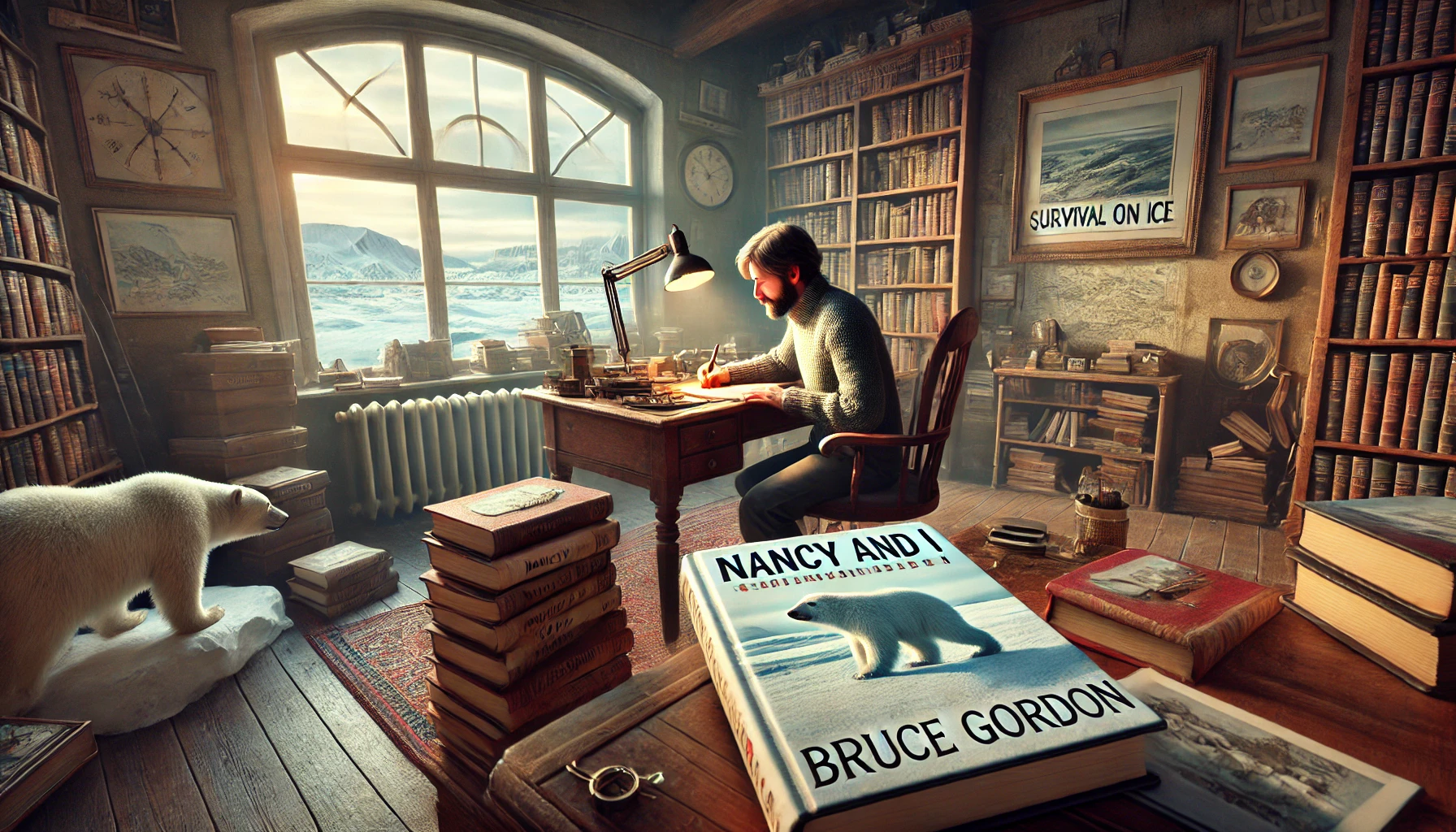
In later years, Bruce published his memoirs, Nancy and I: Survival on Ice. It became a sensation, but debates raged over its authenticity. Historians dismissed the tale as fanciful, while others speculated that Nancy might have been a hallucination or metaphor. Despite the controversy, Bruce lived out his days in relative peace, his legacy tied forever to an Arctic tale both heartwarming and harrowing.
Psynet: "So the moral of the story is: when humans fail you, rely on a bear. Honestly, solid advice."
Colana: "Or maybe it’s about the magic of unlikely friendships and the courage to survive, even when the odds are frozen against you."